
A Comprehensive Guide to Choosing the Right Solar Installation for Your Home


Understanding Your Energy Needs
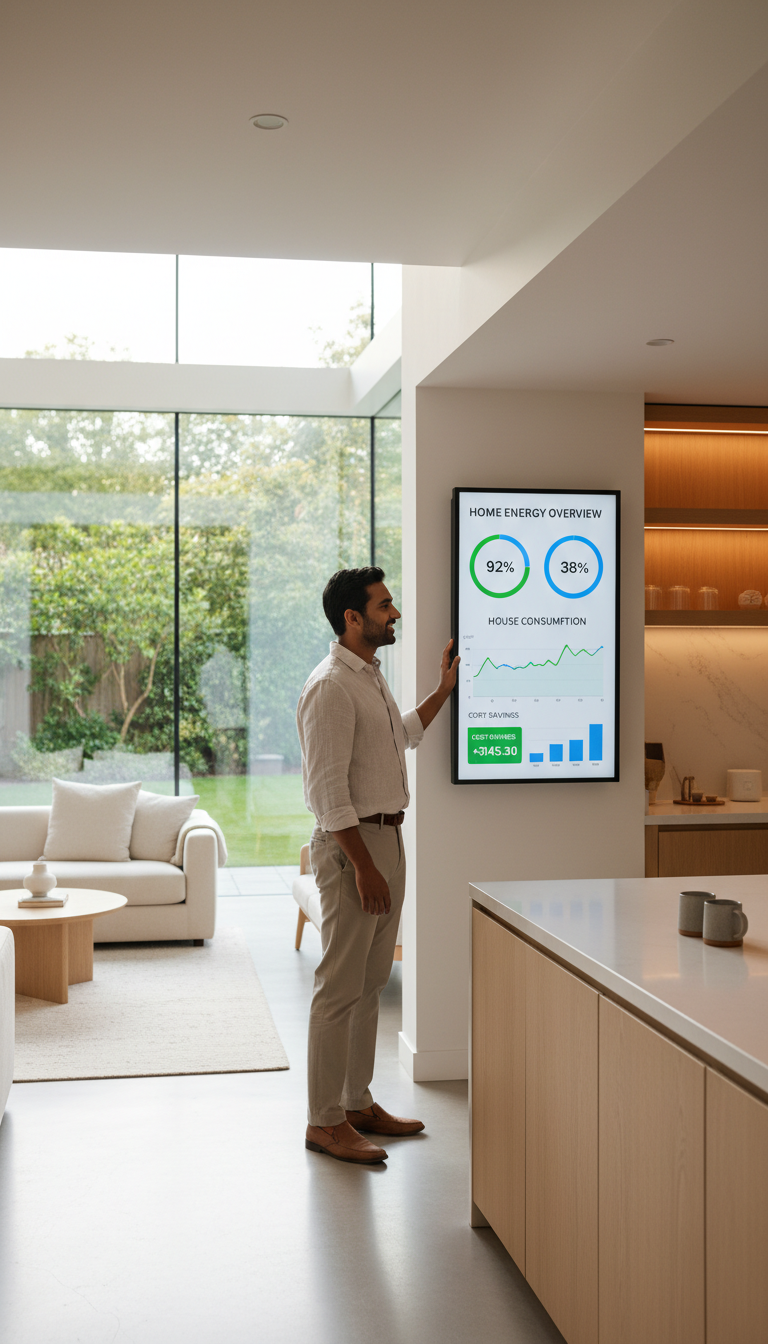
Before diving into the world of solar energy, it's crucial to assess your home’s energy needs. Take a look at your electricity bills from the past year to understand your average consumption. Knowing your energy usage will help you determine the size of the solar installation you need.
Consider how your energy needs might change in the future. Are you planning to buy an electric vehicle or add more appliances? Planning for future energy demands can save you from having to upgrade your system later.
Types of Solar Panels
There are several types of solar panels available, and choosing the right one depends on your specific needs and preferences. The most common types are monocrystalline, polycrystalline, and thin-film solar panels.
Monocrystalline Panels
Monocrystalline panels are known for their efficiency and durability. They are made from a single, pure silicon crystal, which allows them to convert sunlight into electricity more effectively. However, they tend to be more expensive compared to other types.
Polycrystalline Panels
Polycrystalline panels are made from multiple silicon crystals and are generally less efficient than monocrystalline panels. They are, however, more affordable, making them a popular choice for many homeowners.
Evaluating Your Roof’s Suitability
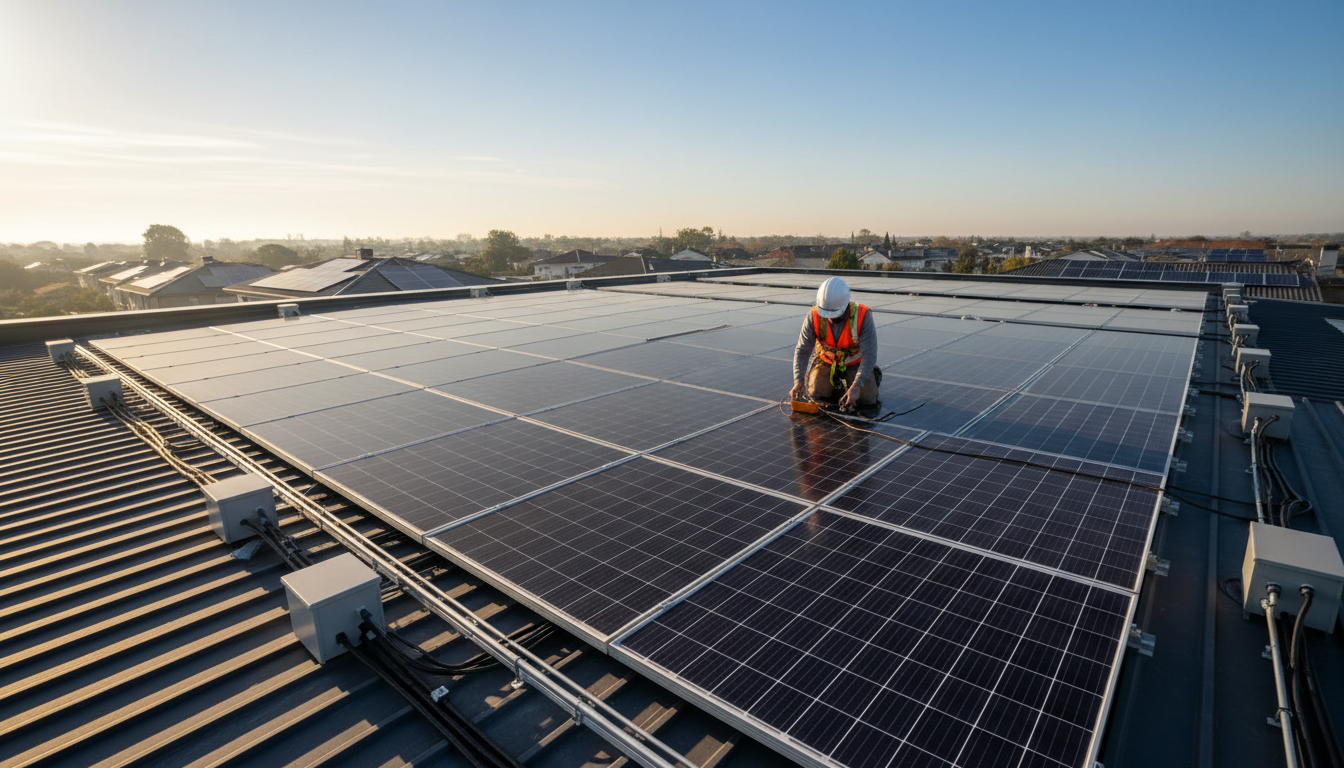
Your roof’s condition and orientation play a significant role in the effectiveness of a solar installation. Ideally, your roof should be in good condition and have a south-facing orientation to capture maximum sunlight. If your roof is shaded by trees or other structures, it might reduce the efficiency of the solar panels.
Consider the age and material of your roof. Solar panels are designed to last for decades, so it’s important that your roof can support them for the long term.
Cost and Financing Options
The cost of solar installation can vary widely based on several factors, including the size of the system and the type of panels used. It's essential to obtain quotes from multiple installers to compare prices and get the best deal.
Many homeowners choose to finance their solar installations through loans, leases, or power purchase agreements. Researching these options can help you decide the best financing method for your situation.
Choosing a Reputable Installer
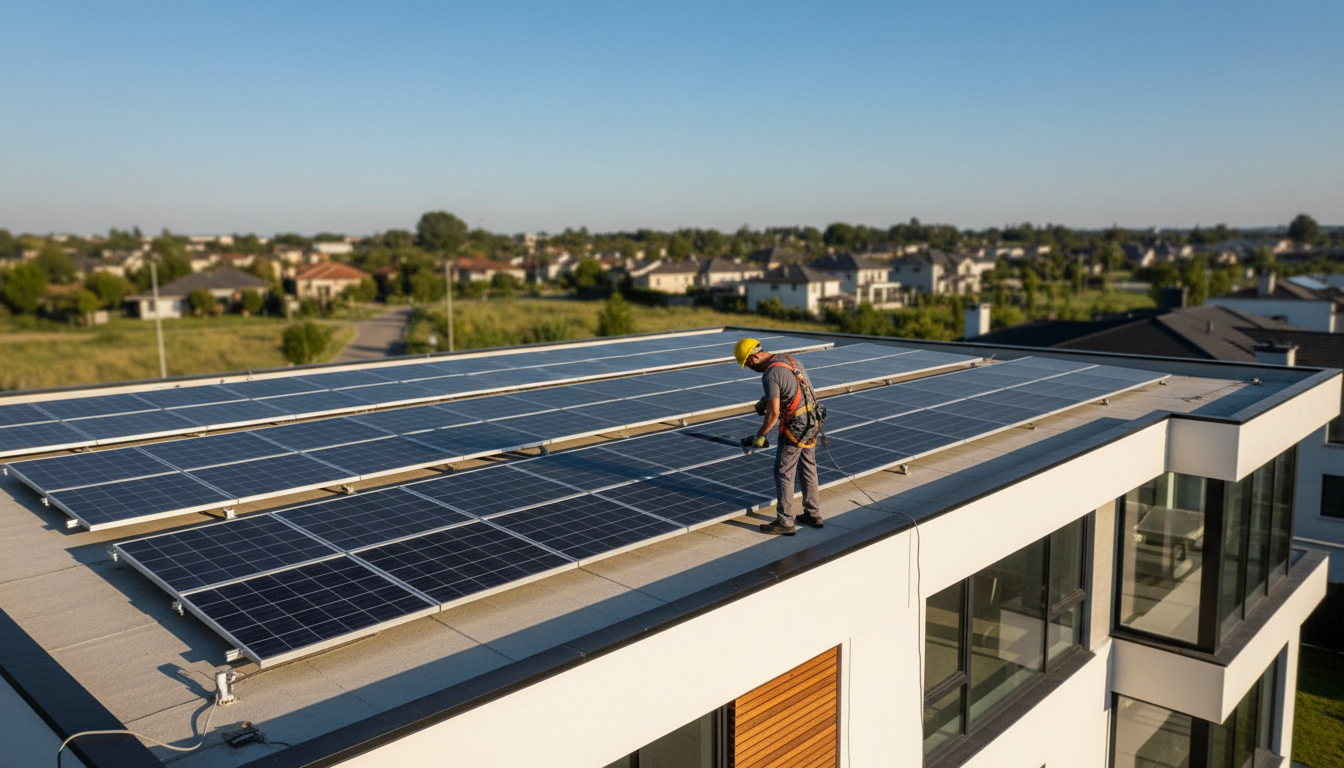
Once you’ve decided on the type and size of your solar system, the next step is to find a reputable installer. Look for companies with positive reviews and certifications from recognized organizations in the solar industry.
Ask potential installers about their experience, warranties offered, and any maintenance services they provide. A good installer will be transparent about costs and willing to answer all your questions.
Understanding Incentives and Rebates
In many regions, there are incentives and rebates available for homeowners who install solar panels. These can significantly reduce the overall cost of your solar installation.
Research local, state, and federal programs that offer financial incentives for renewable energy. Taking advantage of these programs can make your investment in solar energy more affordable and rewarding.