
Case Study: Successful Solar Installation Projects in Australia


Introduction to Solar Energy in Australia
Australia is rapidly becoming a leader in solar energy adoption, thanks to its abundant sunlight and supportive government policies. This case study explores several successful solar installation projects across the country, highlighting the benefits and challenges faced along the way.
With over 2.8 million rooftop solar power systems installed, Australia is harnessing its incredible solar potential. This shift is not only reducing carbon emissions but also lowering electricity costs for households and businesses.
Case Study 1: Residential Solar Success in Queensland
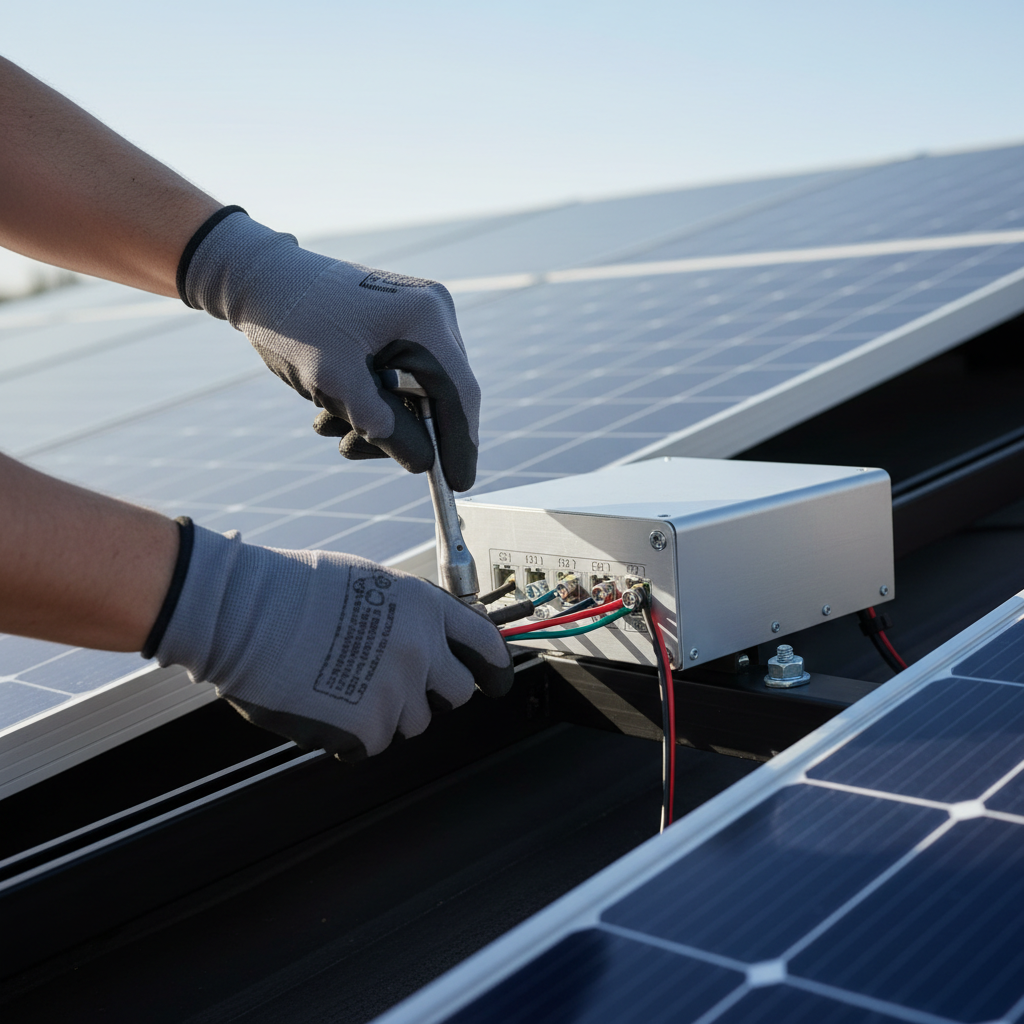
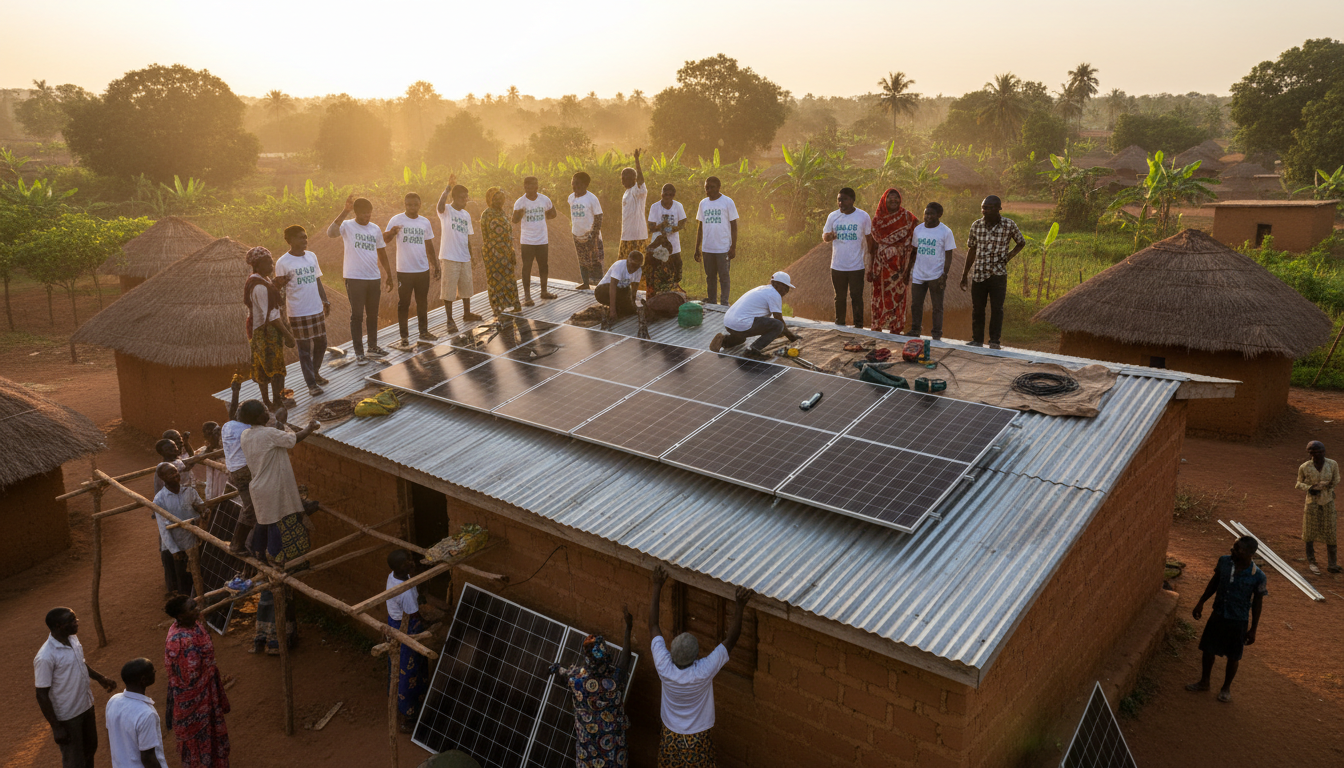
Queensland, known as the "Sunshine State," has seen a significant uptake in residential solar installations. One notable project involved a community-driven initiative that aimed to make solar energy accessible to low-income households.
The project succeeded in installing solar panels on over 500 homes, reducing energy bills by up to 30%. The initiative also provided educational workshops, empowering residents to make informed energy decisions.
Challenges and Solutions
One of the main challenges faced was the initial cost of installation. However, the project addressed this through government grants and low-interest financing options, demonstrating the importance of financial support in promoting renewable energy adoption.
Case Study 2: Commercial Solar in New South Wales
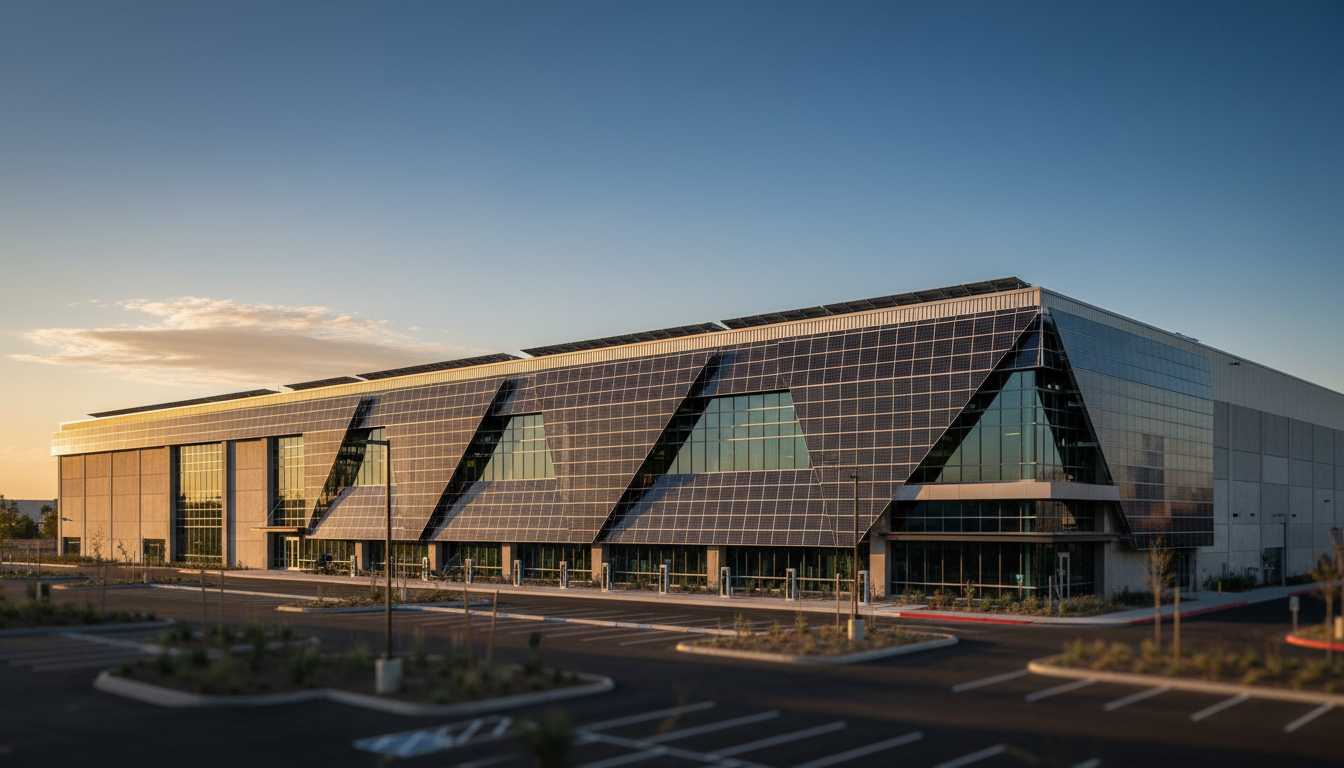
In New South Wales, a large-scale commercial solar installation was completed at a manufacturing facility. This project aimed to reduce operational costs and increase sustainability by utilizing renewable energy sources.
The installation consisted of over 1,000 solar panels, generating approximately 500 kWh of electricity daily. This not only covered the facility's energy needs but also contributed excess power back to the grid.
Environmental and Economic Impact
The environmental benefits of this project were significant, with an estimated reduction of 250 tons of CO2 emissions annually. Economically, the company anticipated savings of up to $100,000 per year on electricity bills.
Case Study 3: Solar Farms in Victoria
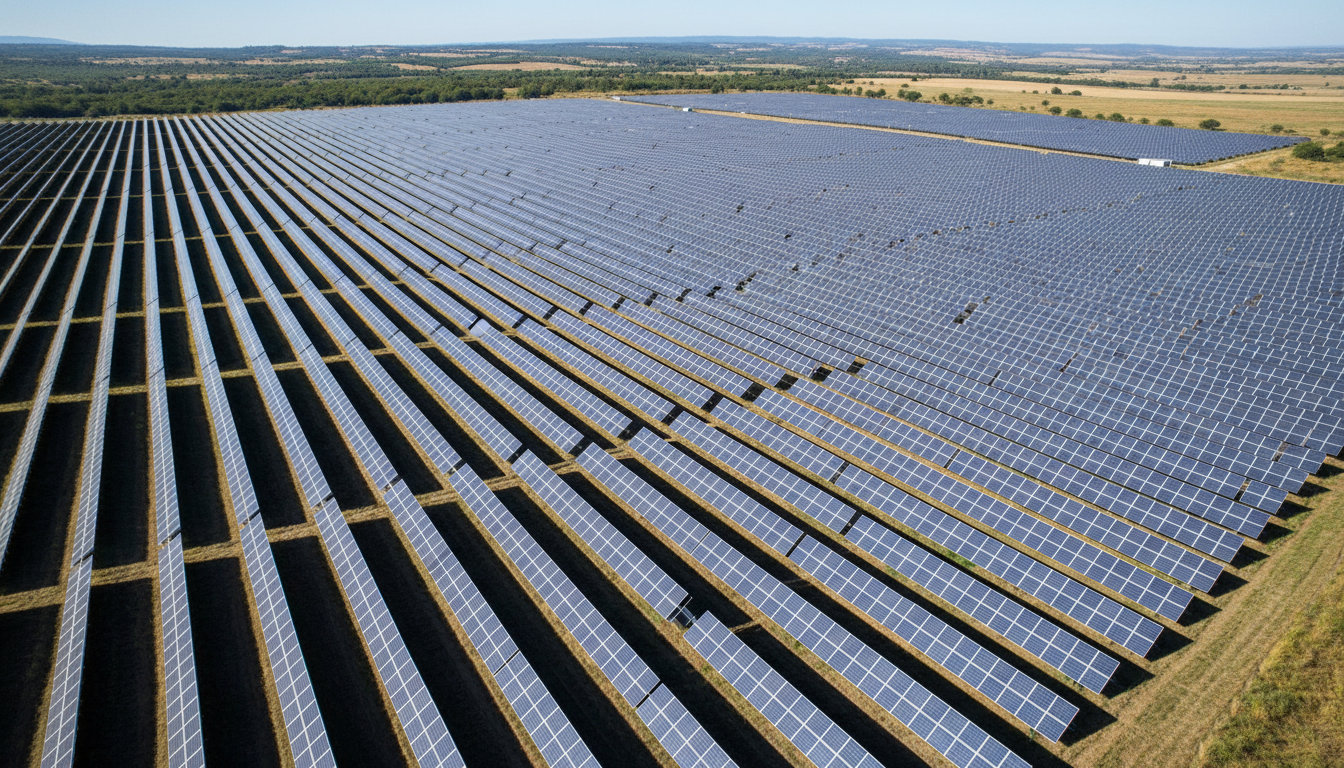
Victoria has embraced solar farms as a means to generate renewable energy on a larger scale. A recent project involved the construction of a 100 MW solar farm, which now powers thousands of homes across the region.
This project not only supports the local economy by creating jobs but also contributes to the state's renewable energy targets, aiming for 50% renewables by 2030.
Community Engagement and Benefits
Community engagement was a crucial aspect of the solar farm's success. By involving local stakeholders and addressing environmental concerns, the project gained widespread support and demonstrated how renewable energy can benefit entire communities.
Conclusion
These case studies illustrate the diverse and impactful ways solar energy is being implemented across Australia. From residential rooftops to expansive solar farms, each project contributes to a more sustainable and economically viable future.
As Australia continues to invest in solar energy, it sets a powerful example for other countries looking to embrace renewable energy solutions. The success of these projects highlights the importance of collaboration, innovation, and commitment to a greener future.