
Common Solar Energy Myths Debunked


Understanding Solar Energy Myths
Solar energy is an increasingly popular topic, but despite its growing adoption, several myths persist that can create confusion. It's essential to separate fact from fiction to make informed decisions about embracing this sustainable energy source.

Myth 1: Solar Panels Are Too Expensive
One common misconception is that solar panels are prohibitively expensive. While initial costs can be significant, it's crucial to consider the long-term savings. Many homeowners find that the reduction in electricity bills over time makes solar panels a worthwhile investment. Additionally, various government incentives and financing options can make solar more accessible.
Furthermore, technological advancements have steadily reduced the cost of solar technology. As the industry grows, economies of scale continue to drive prices down, making solar energy more affordable than ever before.
Myth 2: Solar Energy Is Ineffective in Cloudy Areas
Another widespread myth is that solar energy only works in sunny climates. In reality, solar panels can still generate electricity on cloudy days. While they are more efficient in direct sunlight, they continue to capture diffused sunlight. Countries with less sunshine have successfully implemented solar energy solutions, proving that it's a viable option regardless of climate.

Myth 3: Solar Panels Require High Maintenance
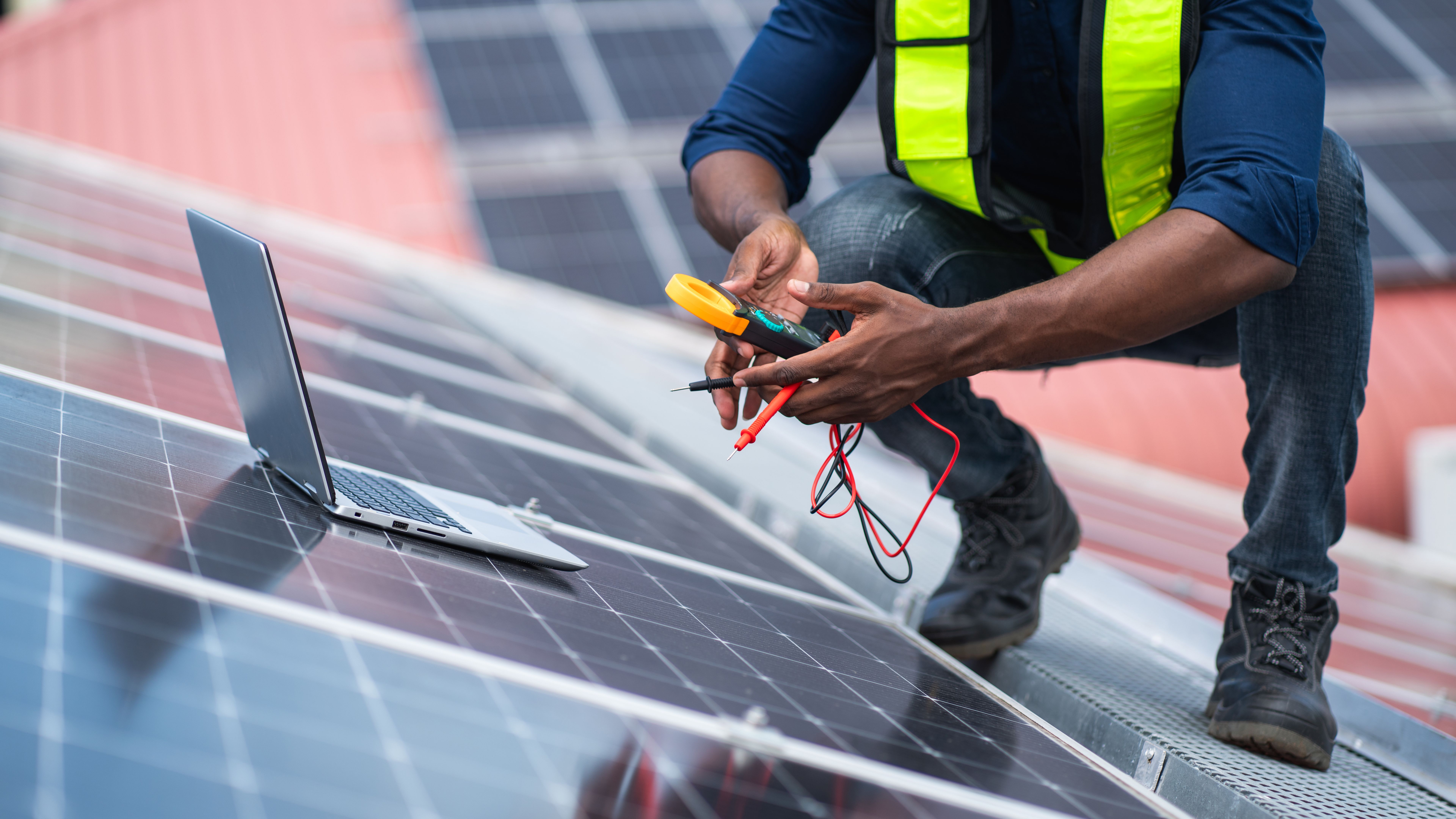
Many people believe that solar panels demand extensive maintenance. However, they are designed to be durable and require minimal upkeep. Regular cleaning and periodic inspections are generally sufficient to keep them in good working condition. Most solar panel systems come with warranties that last 20-25 years, ensuring long-term reliability.
It's also worth noting that there are no moving parts in solar panels, which reduces the risk of mechanical failure and simplifies maintenance compared to other energy systems.
Myth 4: Solar Energy Is Not Environmentally Friendly
Some argue that the production of solar panels is harmful to the environment. While manufacturing does have an environmental impact, solar energy is significantly cleaner than fossil fuels over its lifetime. Solar panels generate electricity without emitting greenhouse gases, contributing to a reduction in overall carbon footprint.
Moreover, the industry is continually working to improve the sustainability of solar panel production, including recycling and reducing the use of hazardous materials.
Myth 5: Solar Panels Are Unattractive
Concerns about aesthetics can deter some homeowners from installing solar panels. However, modern designs have become more sleek and less obtrusive. There are even options available, such as solar shingles, that blend seamlessly with traditional roofing materials.
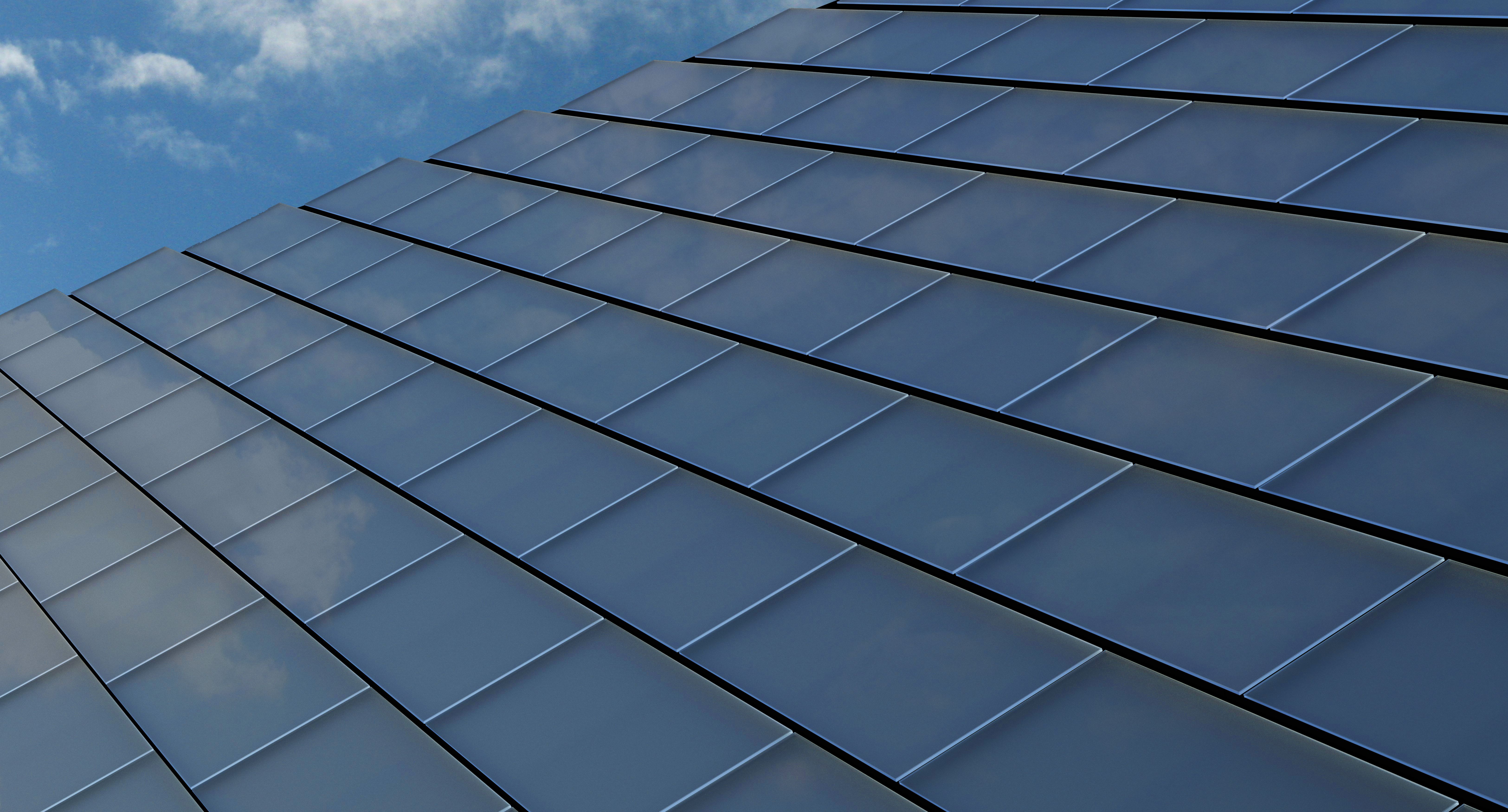
Ultimately, the benefits of solar energy far outweigh concerns about appearance, especially as innovation continues to enhance the visual appeal of solar installations.
Conclusion: Embracing Solar Energy
By debunking these myths, it's clear that solar energy is a viable, efficient, and environmentally friendly option for many households. Understanding the reality behind these misconceptions can empower more individuals to consider solar energy as a sustainable choice for the future.