
Comprehensive Guide to Solar Panel Installation in Australia


Introduction to Solar Panel Installation
Australia, known for its abundant sunshine, is an ideal location for harnessing solar energy. Installing solar panels is a smart investment that can lead to significant savings on energy bills while reducing your carbon footprint. This guide will walk you through the essential steps and considerations for solar panel installation in Australia.
Understanding Solar Energy
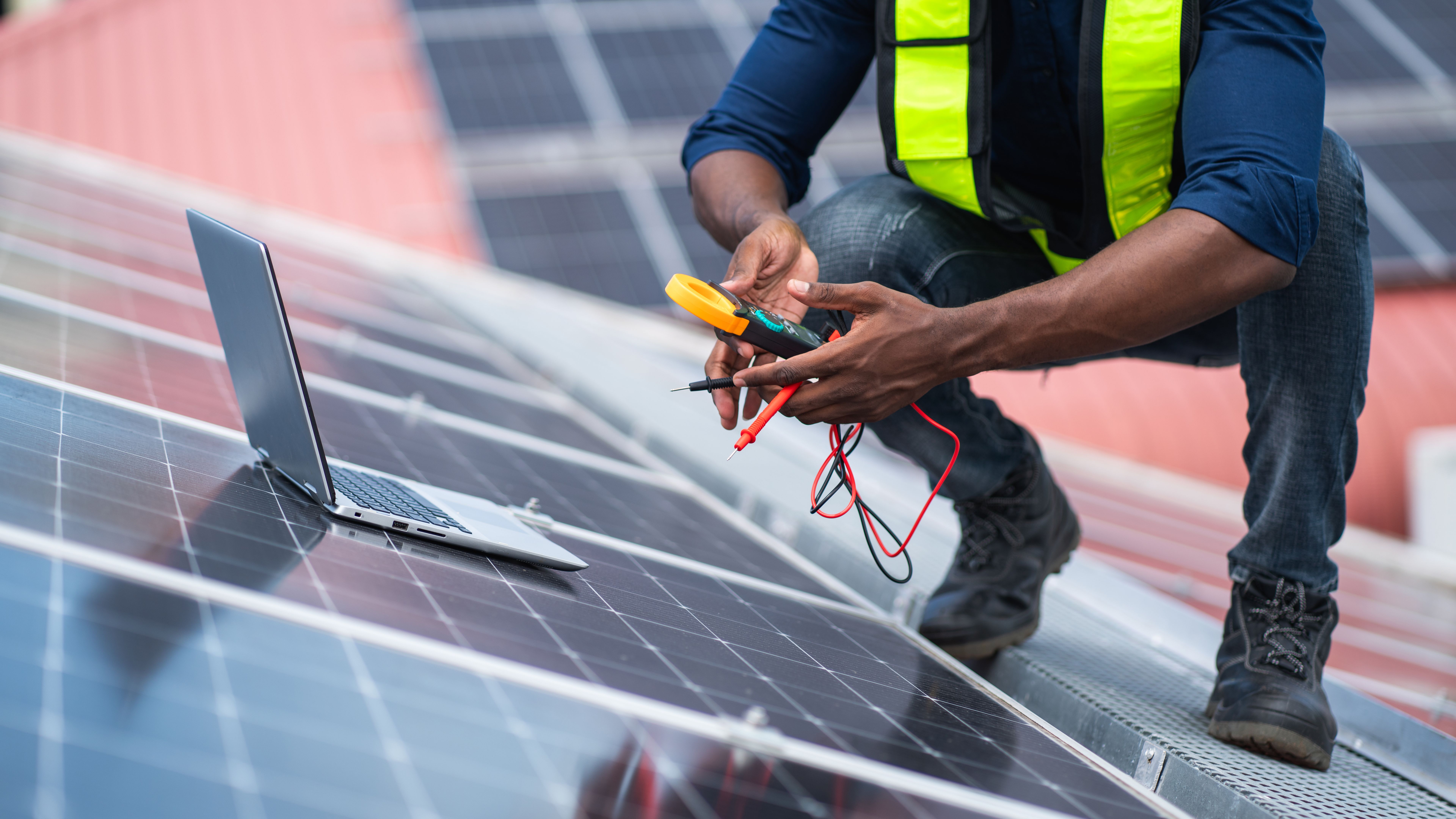
Solar energy is a renewable source of power derived from the sun's rays. By converting sunlight into electricity, solar panels provide a sustainable solution to meet energy needs. With advancements in technology, solar panels have become more efficient and affordable, making them an attractive option for homeowners and businesses alike.
Advantages of Solar Panels
There are several benefits to installing solar panels, including:
- Cost Savings: Significant reduction in electricity bills.
- Environmental Impact: Reduction in carbon emissions.
- Energy Independence: Decreased reliance on fossil fuels.
Choosing the Right Solar Panel System
Selecting the appropriate solar panel system depends on various factors, such as energy needs, budget, and roof space. It's important to assess your electricity usage to determine the size and type of system that will best meet your requirements. Consulting with a professional installer can provide valuable insights.
Types of Solar Panels
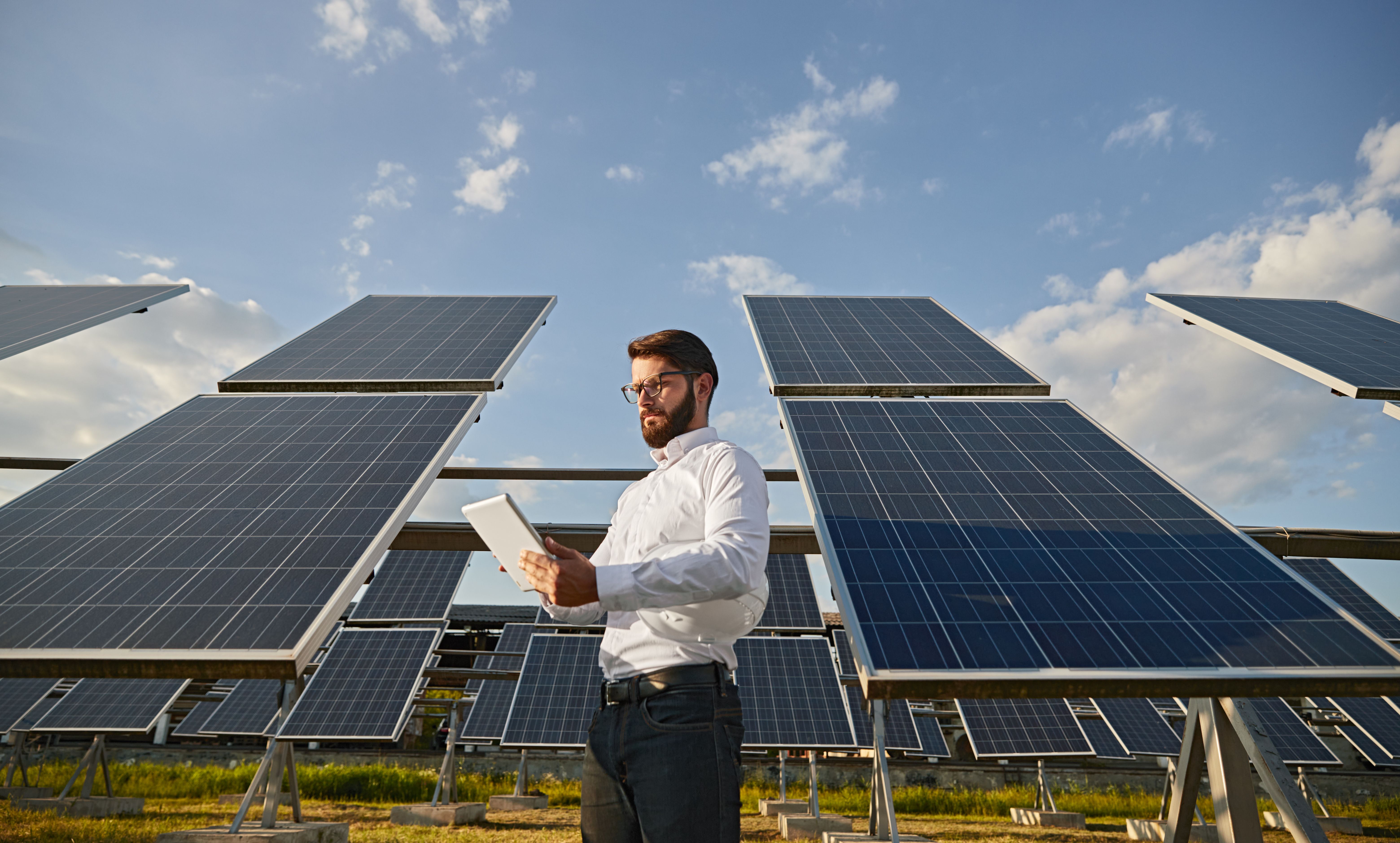
There are mainly three types of solar panels available:
- Monocrystalline Panels: Known for high efficiency and sleek appearance.
- Polycrystalline Panels: Cost-effective with slightly lower efficiency.
- Thin-Film Panels: Flexible and lightweight, suitable for specific applications.
Installation Process
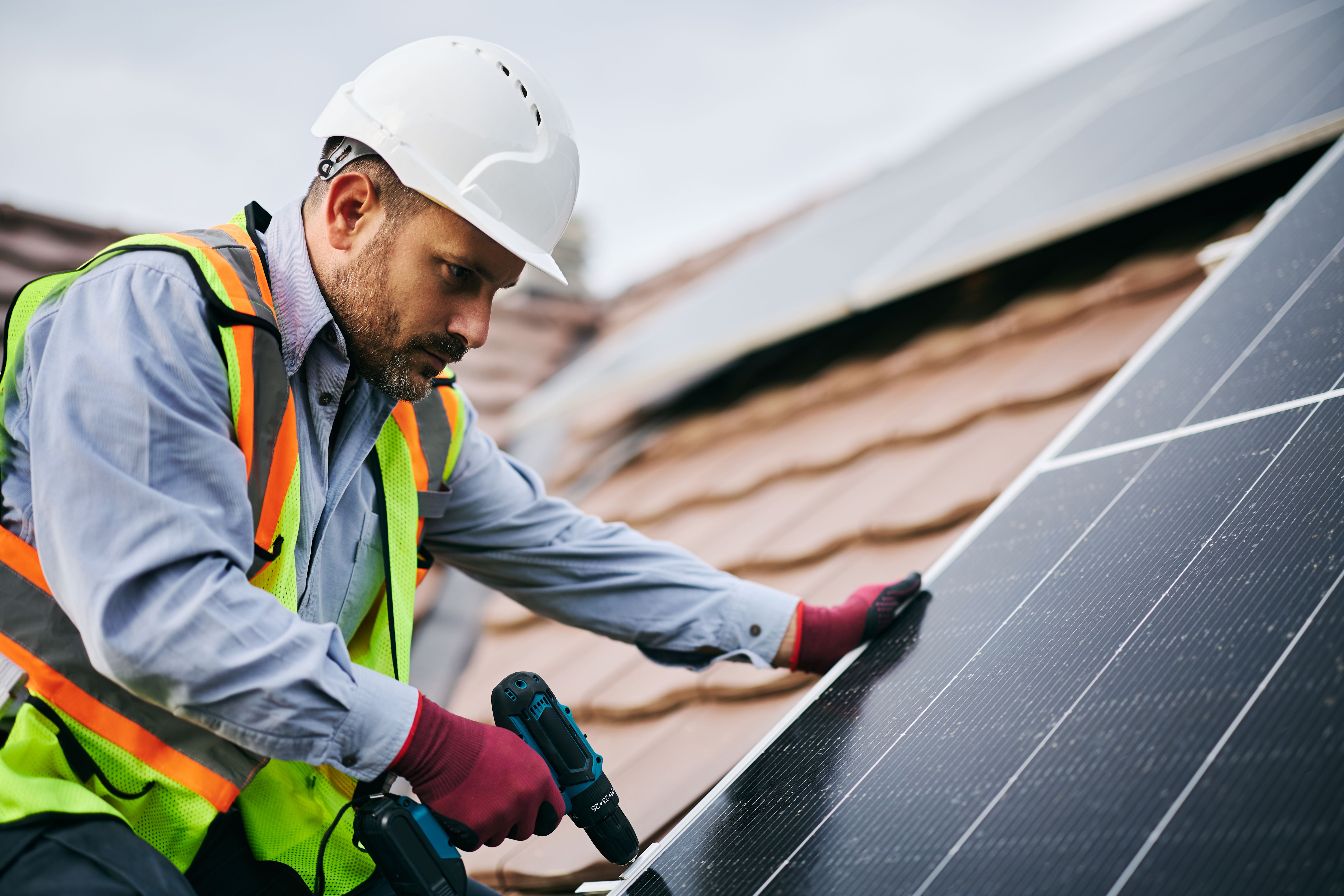
The installation process involves several steps, starting with a site assessment to evaluate the roof's condition and suitability. Following this, the installation team will design a system tailored to your needs. Once approved, the installation can typically be completed in a few days.
Factors Affecting Installation
Several factors can influence the installation process, including:
- Roof Orientation: Optimal panels face north in Australia.
- Shading: Minimize shading from trees and buildings.
- Local Regulations: Compliance with local council and government regulations.
Government Incentives and Rebates
The Australian government offers various incentives to encourage solar panel installation. These include the Small-scale Renewable Energy Scheme (SRES), which provides financial incentives for eligible small-scale installations, and feed-in tariffs that allow you to earn money by selling excess electricity back to the grid.
Maximizing Your Investment
To maximize your investment, consider combining solar panels with a battery storage system. This allows you to store excess energy for use during peak times or when sunlight is not available, further increasing your savings and sustainability.
Conclusion
Solar panel installation in Australia is a wise and environmentally responsible choice. By understanding the process and taking advantage of government incentives, you can enjoy the benefits of clean energy for years to come. Whether for residential or commercial use, solar panels offer a path to a more sustainable future.