Comprehensive Guide to Solar Panel Installation in Australia


Understanding Solar Energy in Australia
Australia is one of the sunniest places on Earth, making it an ideal location for harnessing solar energy. With rapidly advancing technology and decreasing costs, more Australians are turning to solar panels to power their homes and businesses. This guide will take you through the key considerations and steps involved in solar panel installation.
Why Choose Solar Panels?
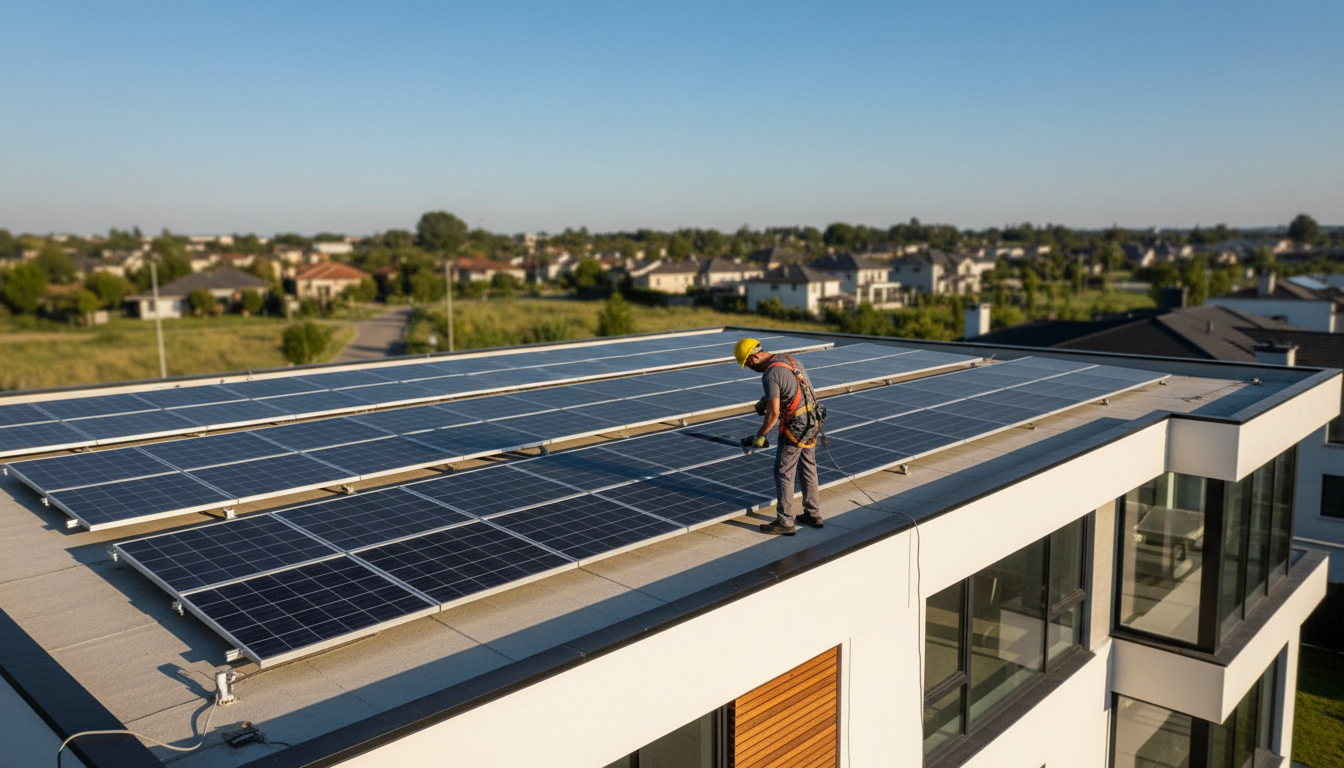
Solar panels offer numerous benefits, including reduced electricity bills, increased property value, and a lower carbon footprint. By converting sunlight into electricity, solar panels help reduce reliance on fossil fuels, contributing to a more sustainable future. Additionally, government incentives and rebates make solar panel installation more affordable than ever.
Australia's solar industry is thriving, with various options available to suit different energy needs and budgets. From small residential systems to large commercial installations, there's a solar solution for everyone.
Types of Solar Panels
There are primarily three types of solar panels available: monocrystalline, polycrystalline, and thin-film. Each type has its own advantages and is suited to different applications:
- Monocrystalline: Known for their high efficiency and sleek appearance, these panels are ideal for limited space.
- Polycrystalline: More cost-effective, these panels are slightly less efficient but still offer great value.
- Thin-Film: Lightweight and flexible, these panels are perfect for unique applications but generally have lower efficiency.
Steps to Solar Panel Installation
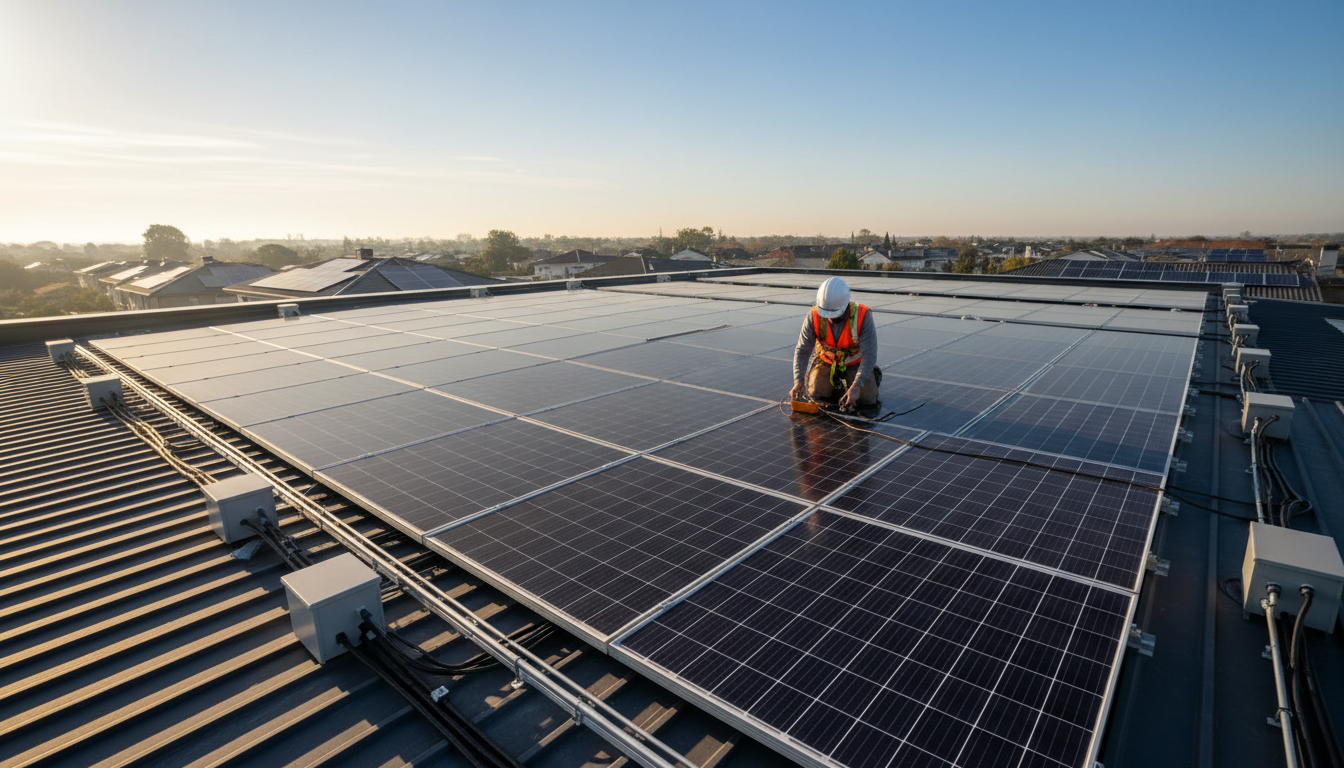
Installing solar panels involves several stages, each crucial to ensuring a successful and efficient setup. Here’s a general overview of the process:
- Site Assessment: A professional will evaluate your property to determine the best location and layout for the panels.
- System Design: Based on the assessment, a customized solar system will be designed to meet your specific energy needs.
- Permits and Approvals: Obtaining the necessary permits and approvals from local authorities is essential before installation begins.
- Installation: Experienced installers will mount the panels, connect the system, and ensure everything is functioning correctly.
Maintenance and Monitoring
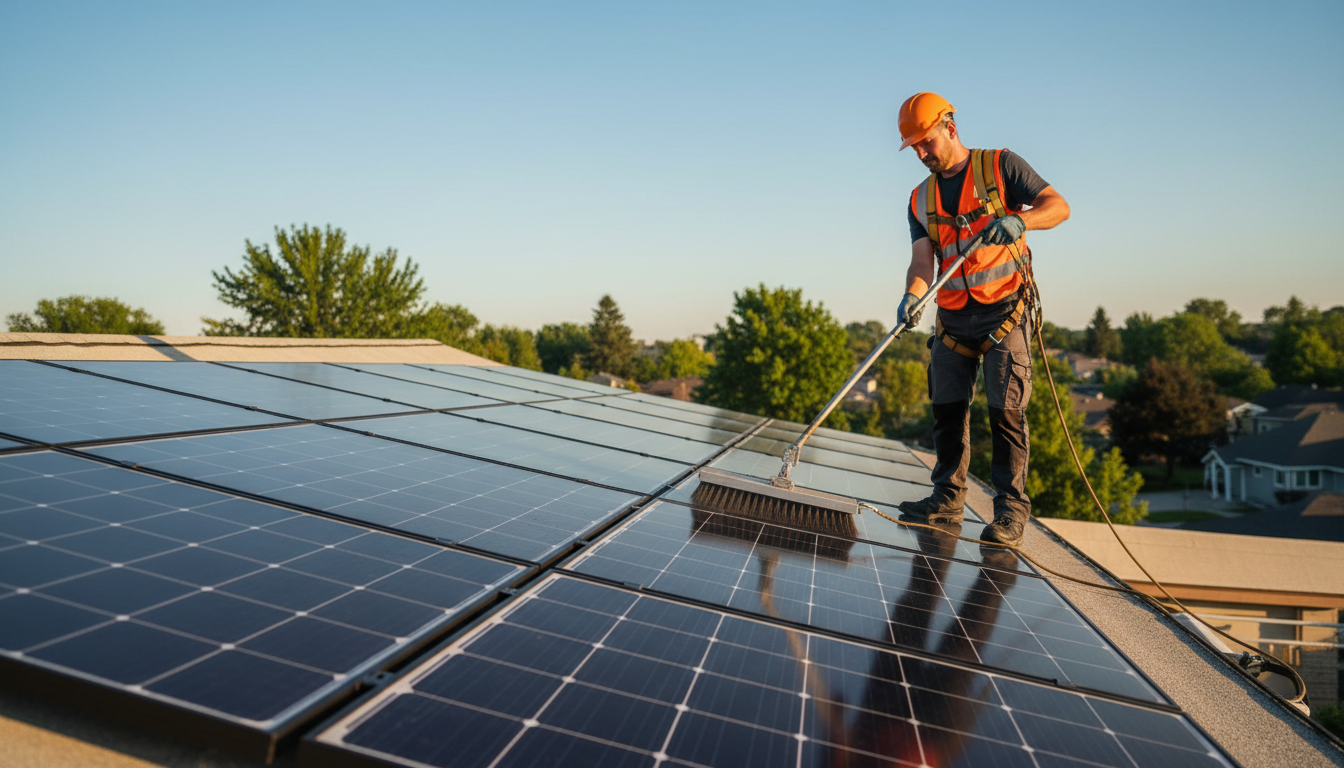
Once installed, solar panels require minimal maintenance. Regular cleaning and periodic inspections are usually sufficient to keep them running efficiently. Many modern systems come with monitoring software that allows you to track energy production and detect any issues early on.
Government Incentives and Rebates
In Australia, several government programs and incentives are available to encourage the adoption of solar energy. These may include rebates on installation costs, feed-in tariffs, and grants. It’s important to research and understand the incentives available in your region to maximize benefits.
By taking advantage of these programs, you can significantly reduce the upfront costs of solar panel installation and achieve a faster return on your investment.
Conclusion
Solar panel installation in Australia is a smart investment for both the environment and your wallet. With a variety of panel types, government incentives, and minimal maintenance requirements, going solar has never been more accessible. Whether you're a homeowner or a business owner, solar energy offers a sustainable solution to meet your energy needs.