
Debunking Common Myths About Solar Energy


Understanding Solar Energy
Solar energy has been a topic of interest for decades, yet several myths and misconceptions continue to persist. As more individuals and businesses consider solar as a viable energy solution, it's important to address these myths and provide clarity. This post aims to debunk some common myths about solar energy, helping you make informed decisions about its adoption.
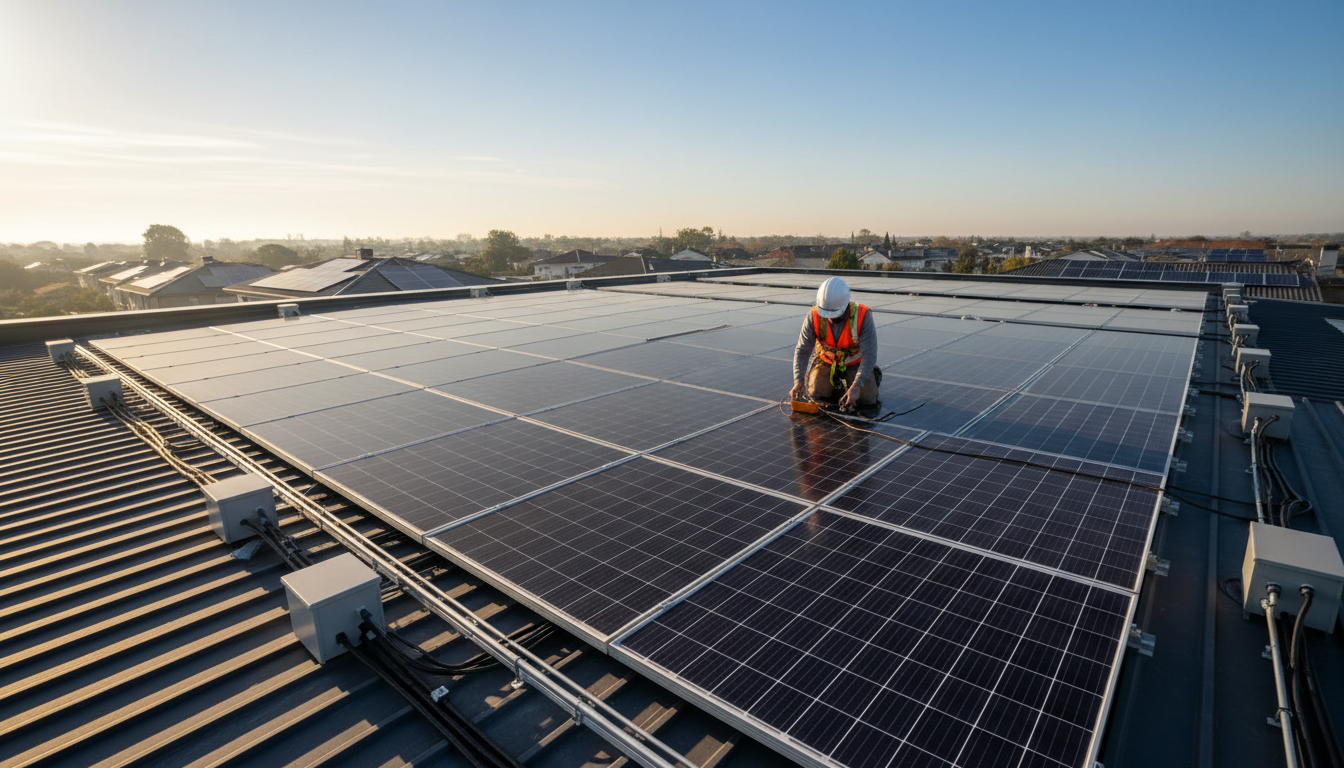
Myth 1: Solar Panels Are Ineffective in Cloudy or Cold Climates
One of the most prevalent myths about solar energy is that it only works in sunny, warm climates. In reality, solar panels can generate electricity even on cloudy days. While it's true that they perform best in direct sunlight, they still produce power in overcast conditions. Germany, for instance, is a leader in solar energy despite having frequent cloudy weather.
Cold climates can actually enhance solar panel efficiency. Solar panels convert sunlight into electricity, and cooler temperatures can improve their performance. This means that regions with cold yet sunny weather can benefit significantly from solar energy.
Myth 2: Solar Energy Is Too Expensive
The perception that solar energy is prohibitively expensive continues to deter potential adopters. However, the cost of solar panels has decreased dramatically over the past decade. Government incentives, tax credits, and financing options have made solar installations more affordable for homeowners and businesses alike.
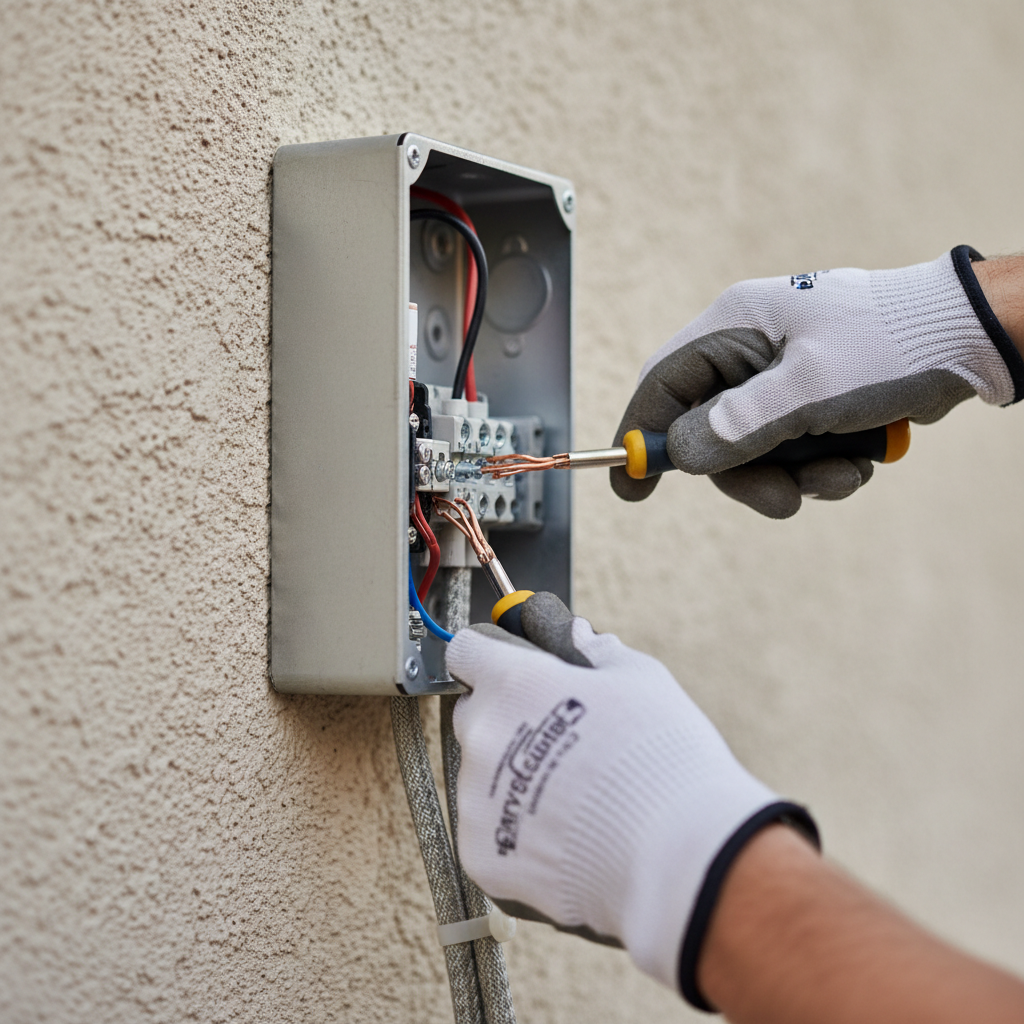
Additionally, the long-term savings on electricity bills often outweigh the initial investment. Many users find that their solar systems pay for themselves within several years, offering a return on investment that continues to grow over time.
Myth 3: Solar Panels Require Constant Maintenance
Another common myth is that solar panels require constant maintenance to remain functional. In truth, solar panels are designed to be low-maintenance. They have no moving parts, which reduces the likelihood of mechanical failure. Regular cleaning and occasional inspections are generally sufficient to keep them in optimal condition.
- Check for debris or dirt buildup.
- Ensure there are no shading issues from growing trees or new structures.
- Monitor energy output to detect any potential issues.
Myth 4: Solar Energy Is Not Reliable
Some people worry about the reliability of solar energy, particularly during nighttime or overcast days. To address this concern, solar energy systems are often paired with battery storage solutions, allowing excess energy to be stored and used when needed. Moreover, solar energy can work in conjunction with traditional power grids, ensuring a consistent energy supply.
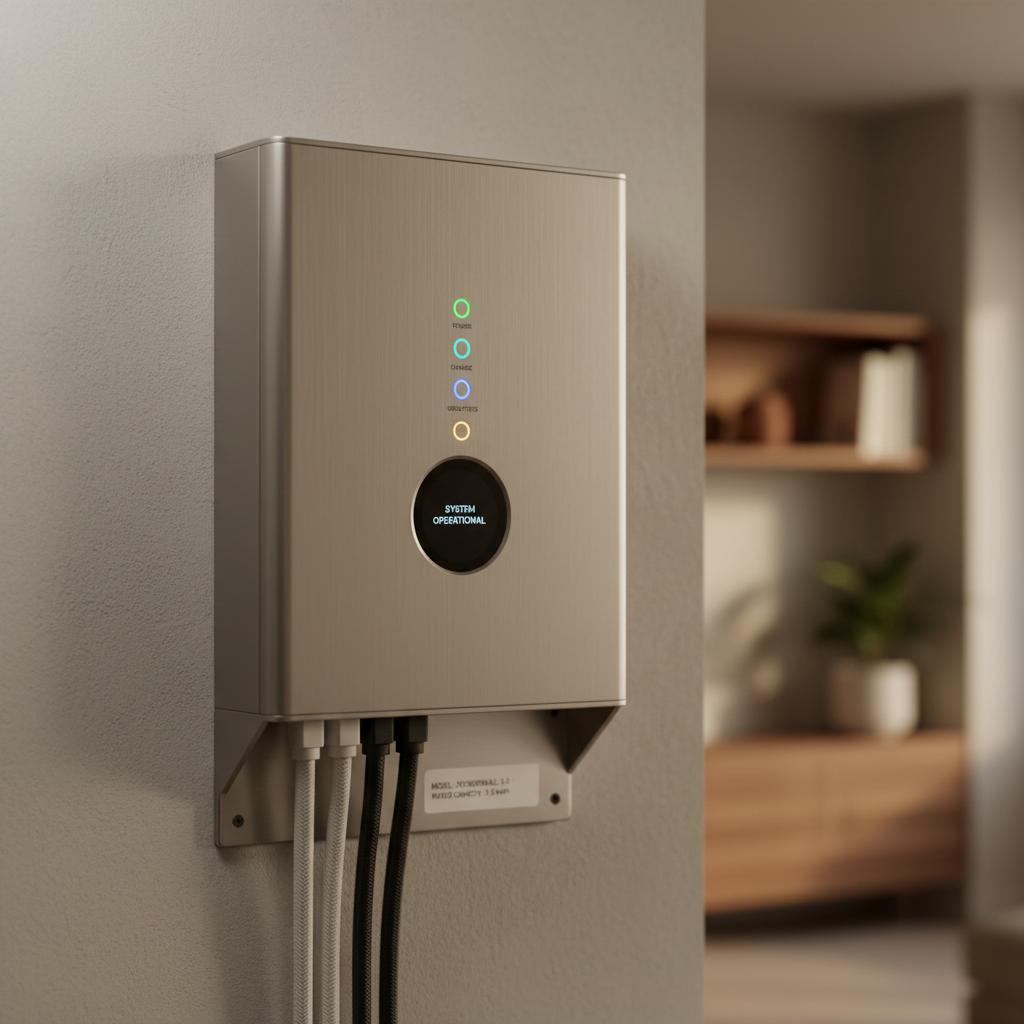
By integrating solar with battery storage, users can enjoy a reliable and sustainable energy solution that reduces dependence on non-renewable energy sources.
The Future of Solar Energy
As technology advances, solar energy continues to become more efficient and accessible. Dispelling myths and understanding the true capabilities of solar power are essential steps toward a more sustainable energy future. By embracing solar energy, individuals and businesses can contribute to environmental conservation while enjoying the benefits of a clean, renewable energy source.