
Debunking Common Myths About Solar Energy in Australia


Understanding Solar Energy Myths
Solar energy has become a popular choice for many Australians looking to reduce their carbon footprint and save on energy bills. However, several myths persist that can deter people from making the switch. In this blog post, we aim to debunk some of these common misconceptions about solar energy in Australia.
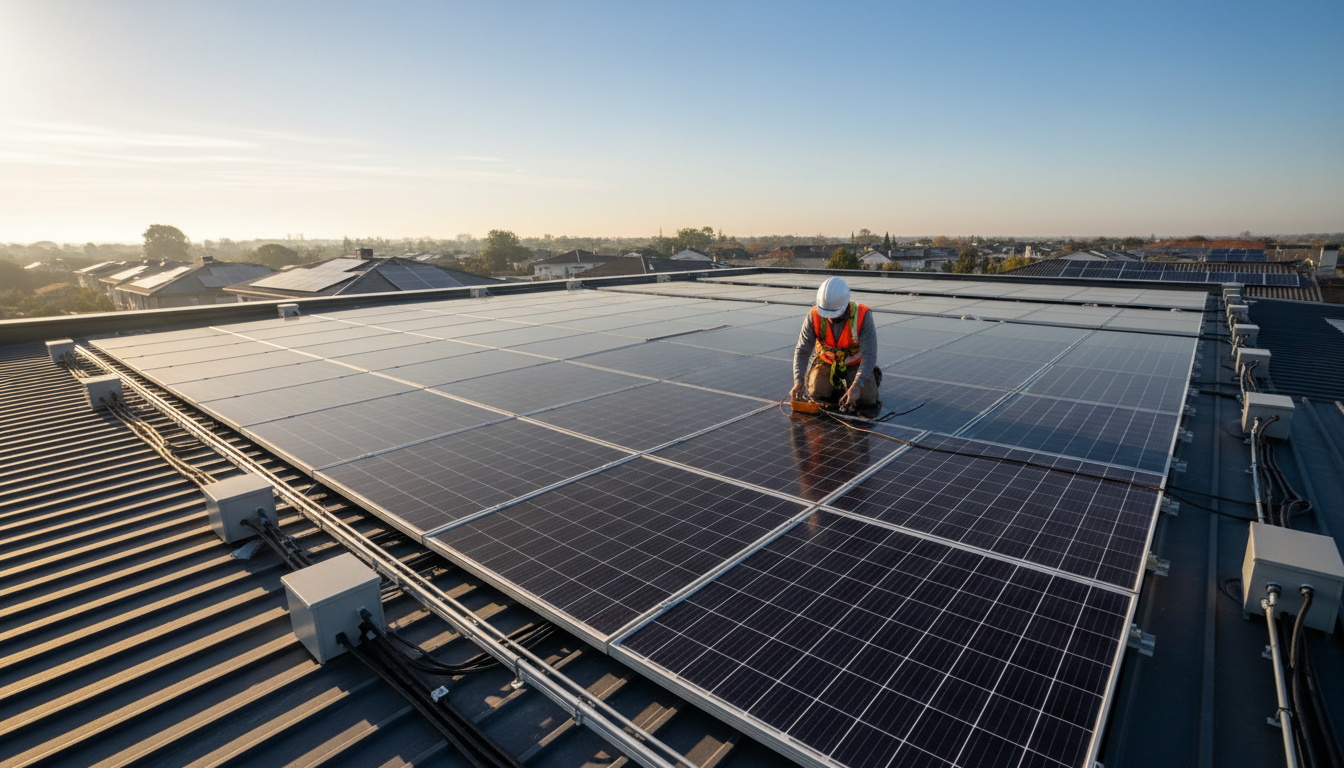
Myth 1: Solar Panels Don't Work in Cloudy Weather
A common belief is that solar panels are ineffective during cloudy or rainy days. While it's true that solar panels perform best in direct sunlight, they can still generate electricity from diffused or indirect sunlight. In fact, countries with less sunny days, such as Germany, have successfully harnessed solar energy on a large scale.
Modern solar panels are designed to be efficient even in less-than-ideal weather conditions. While output might be reduced, it doesn't stop completely, making solar energy viable throughout the year.
Myth 2: Solar Energy is Too Expensive
Another widespread myth is that solar energy is prohibitively expensive. While initial installation costs can be significant, it's essential to consider the long-term savings on electricity bills. Additionally, government incentives and financing options have made solar systems more accessible than ever.
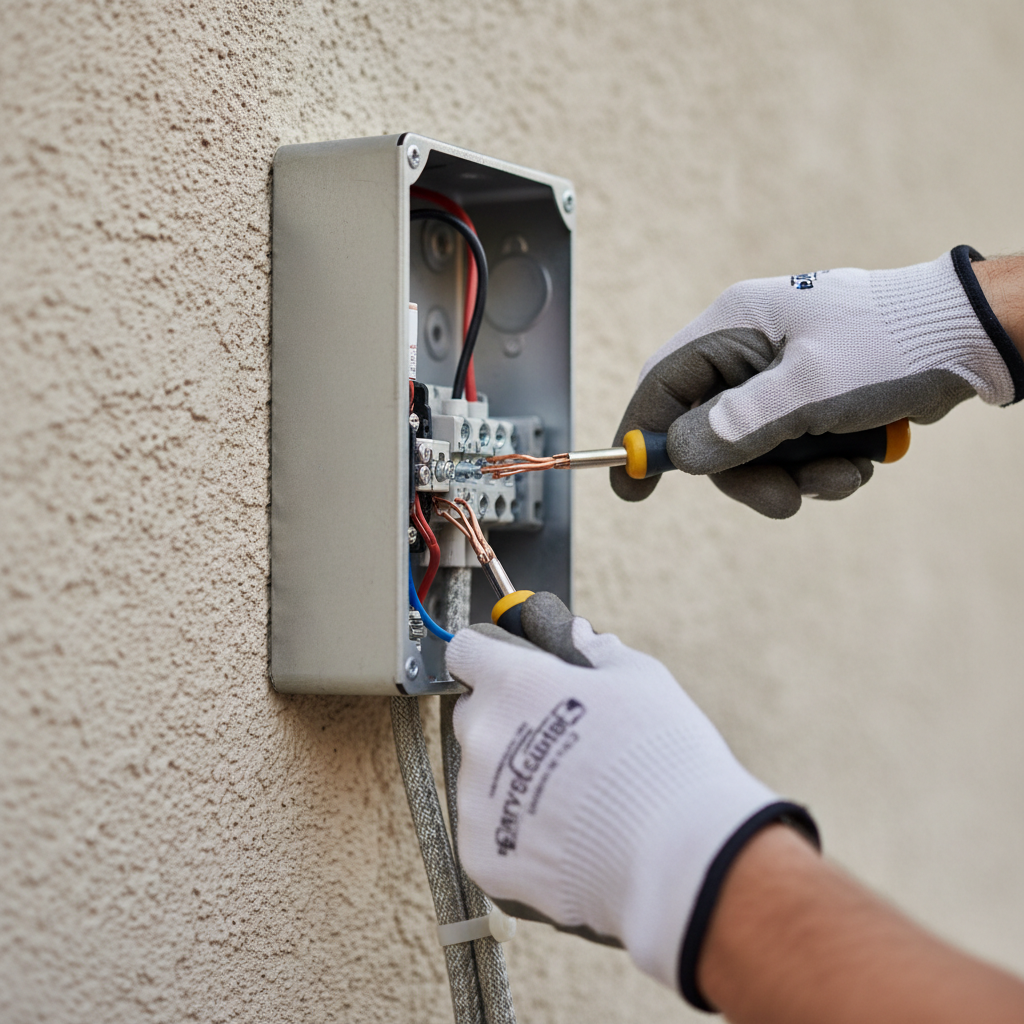
Over time, many households find that their solar systems pay for themselves. With the rising cost of electricity, investing in solar can be a financially savvy decision.
Myth 3: Solar Panels Require High Maintenance
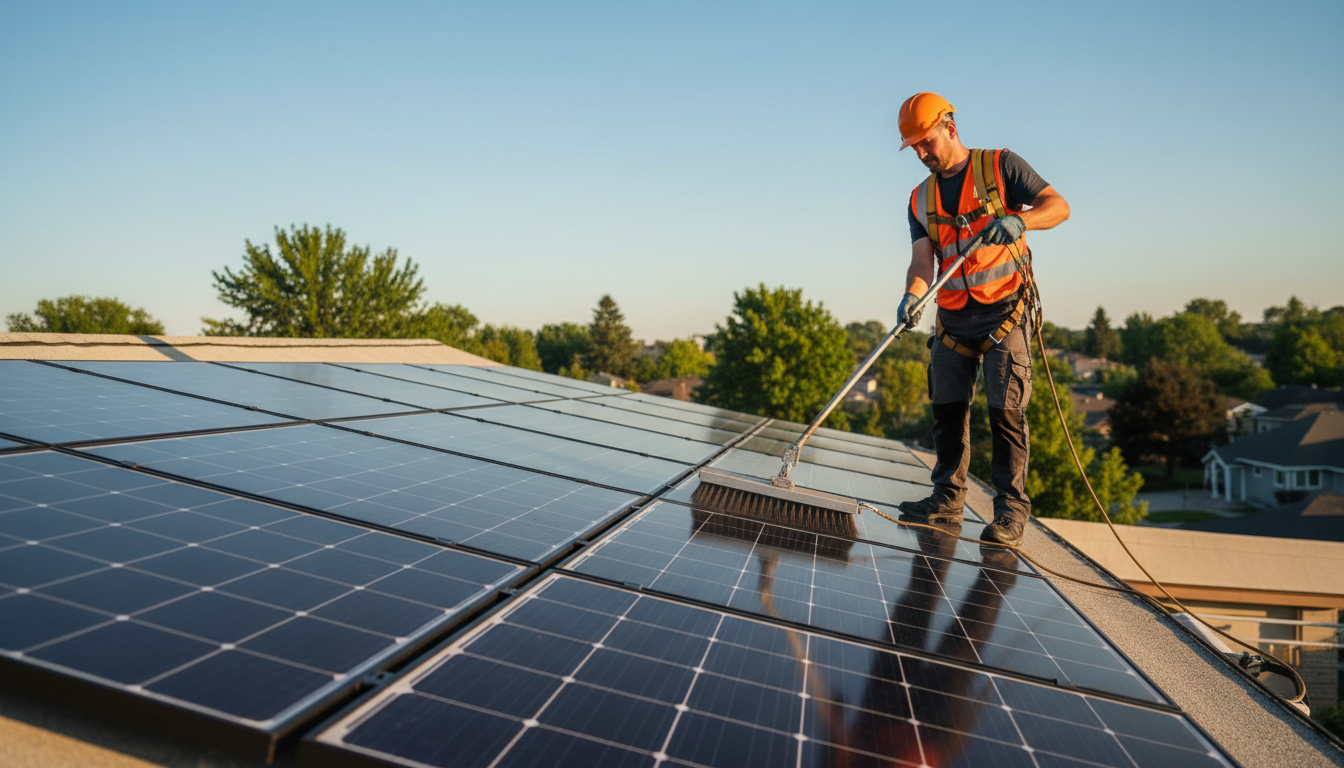
Some people worry that solar panels require constant maintenance and cleaning to function effectively. In reality, solar panels are designed to be low-maintenance. They typically only need occasional cleaning and annual inspections to ensure optimal performance.
Most solar systems come with warranties that cover potential issues, providing peace of mind to homeowners. Regularly checking for debris and ensuring that panels are free from shade can maximize efficiency.
Myth 4: Solar Energy Isn't Reliable
Reliability is often a concern for those unfamiliar with solar technology. However, solar energy systems are generally robust and reliable. They are designed to last for decades and come with extensive warranties to back their longevity.
Battery storage solutions have further enhanced the reliability of solar energy, allowing homeowners to store excess energy for use during the night or cloudy days.
Myth 5: Solar Panels are Bad for the Environment
Although some believe that manufacturing solar panels is harmful to the environment, the overall environmental impact is significantly lower than that of fossil fuels. The energy used to produce solar panels is quickly offset by the clean energy they generate over their lifetime.
Furthermore, advancements in recycling technology are continuously improving the sustainability of solar panel production and disposal, making solar energy an environmentally friendly choice.
Conclusion: Embracing Solar Energy
By debunking these common myths, we hope to encourage more Australians to consider solar energy as a viable and sustainable option. As technology advances and costs continue to decrease, solar power is set to play a significant role in Australia's energy landscape.
Understanding the realities of solar energy can empower consumers to make informed decisions, leading to a greener and more sustainable future.