
DIY Solar Repair: Common Issues and How to Fix Them


Understanding DIY Solar Repair
Solar panels are a fantastic way to harness renewable energy, but like any technology, they can encounter issues over time. Understanding common problems and how to fix them can help you maintain your system efficiently. Performing basic repairs yourself can save you time and money.
Identifying Common Solar Panel Issues
Before diving into repairs, it’s crucial to identify the issue. Common problems include reduced efficiency, physical damage, and electrical faults. Regular inspections can help catch these issues early. Look for signs such as dirt accumulation, cracks, or unusual noises from the inverter.
Another common problem is shading from nearby trees or buildings. This can significantly reduce the efficiency of your solar panels. Ensure that your panels have access to maximum sunlight throughout the day.
Cleaning and Maintenance
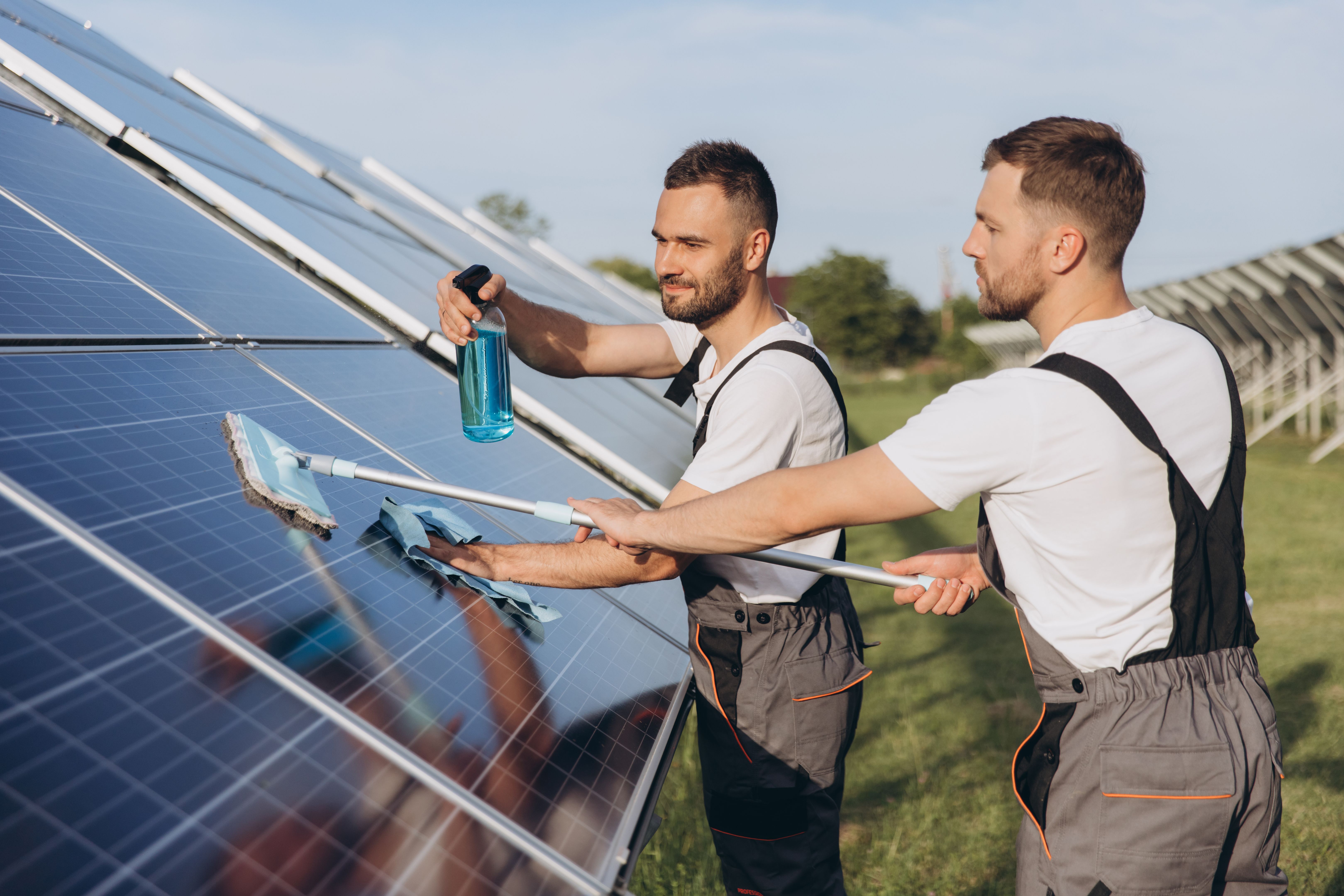
Dirty panels are one of the simplest issues to fix. Dust, leaves, and bird droppings can accumulate and block sunlight. Cleaning your panels with water and a soft brush can restore their efficiency. Avoid using harsh chemicals or abrasive materials.
Regular maintenance also involves checking the wiring and connections. Loose or corroded wires can lead to power loss. Ensure all connections are secure and free from rust. If you notice any damaged wires, they should be replaced immediately.
Repairing Physical Damage
Physical damage, such as cracks in the panels, can occur due to weather conditions or accidents. Minor cracks may be repaired with a special resin, but severe damage might require professional assistance or even panel replacement. Always use safety gear when handling solar panels.
Addressing Electrical Faults
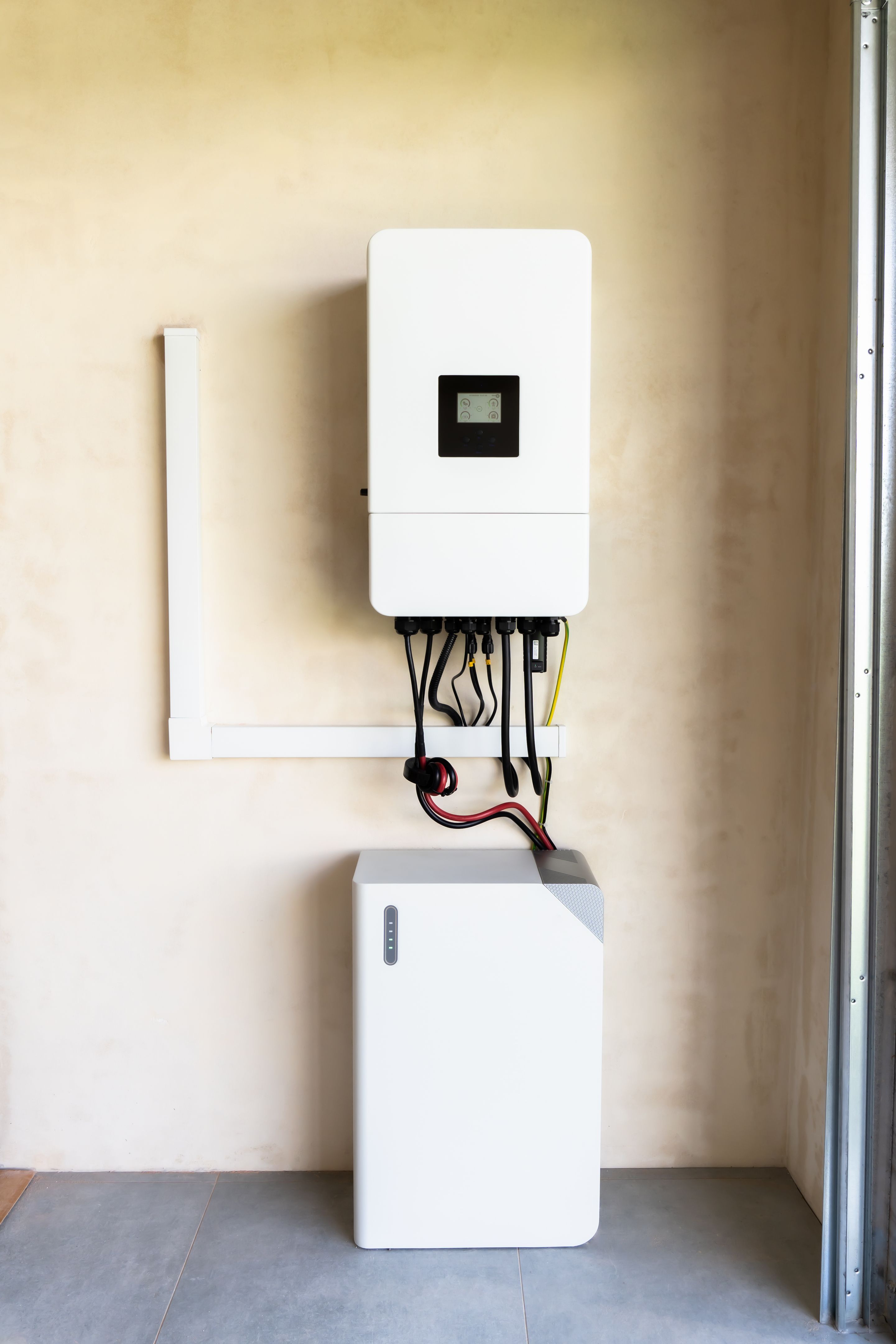
Electrical issues can be more complex. If your system isn’t producing power, check the inverter display for error codes. The inverter is the heart of your solar system, and it might need resetting or repair. Consult the manual for specific troubleshooting steps.
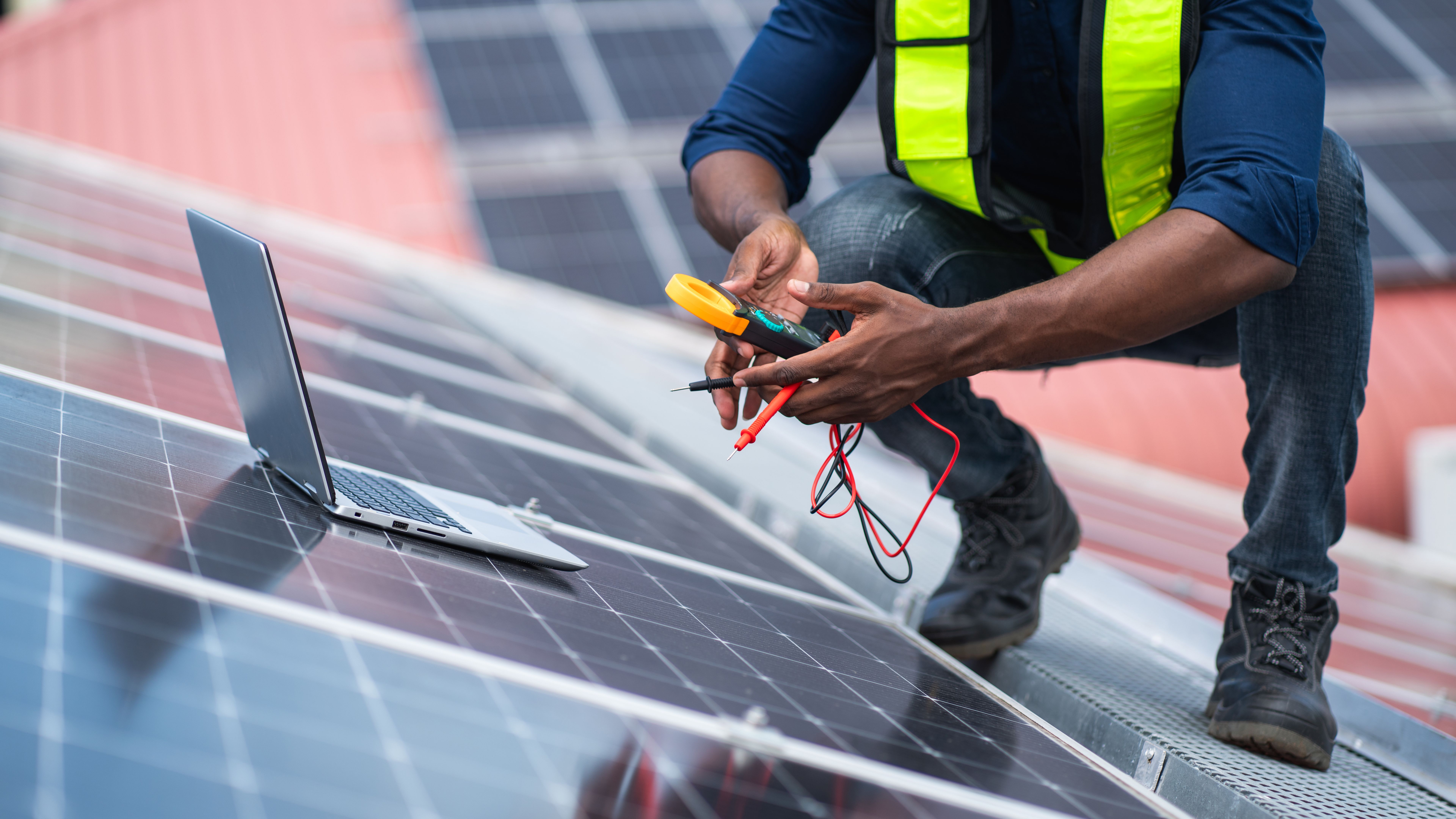
For persistent electrical issues, you might need to test the voltage output with a multimeter. This will help you determine if the problem lies with the panels, inverter, or wiring.
When to Call a Professional
While DIY repairs are feasible for minor issues, some problems require expert intervention. If you're unsure about the issue or the repair process, it’s best to consult a professional. They have the expertise and equipment to handle complex problems safely.
Remember, safety is paramount when working with electrical components. Always turn off the system before attempting any repairs, and wear protective gear.
Conclusion
DIY solar repair can be straightforward with the right knowledge and tools. Regular maintenance and prompt attention to issues will keep your solar system running smoothly. However, don’t hesitate to seek professional help for more severe problems. Keeping your solar panels in top shape ensures you continue to benefit from clean, renewable energy.