
Expert Insights: The Future of Solar Energy in Australia


Introduction to Solar Energy in Australia
Australia is uniquely positioned to harness solar energy due to its vast land area and abundant sunshine. As the world shifts towards sustainable energy solutions, Australia stands at the forefront, leveraging its natural advantages. The future of solar energy in Australia looks promising, with advancements in technology and policy support driving growth.

Technological Advancements
Recent technological innovations are revolutionizing the solar energy sector. From more efficient photovoltaic cells to advanced battery storage solutions, these advancements are making solar power more accessible and cost-effective. The integration of AI and IoT in solar systems is optimizing energy usage and improving efficiency.
One of the most exciting developments is the rise of perovskite solar cells, which promise higher efficiency at a lower cost. These cells are flexible and lightweight, offering new possibilities for solar panel design and application.

Government Policies and Incentives
The Australian government plays a crucial role in promoting solar energy through various policies and incentives. Rebates and subsidies for solar installations have encouraged both residential and commercial adoption. Additionally, initiatives like the Renewable Energy Target (RET) aim to increase the share of renewable energy in Australia’s electricity supply.
State governments are also contributing by offering feed-in tariffs and grants, making it financially viable for households and businesses to invest in solar energy. These incentives are crucial for accelerating the transition to a low-carbon economy.
Environmental Impact and Benefits
Switching to solar energy significantly reduces carbon emissions, contributing to a healthier environment. Solar power is a clean, renewable resource that helps decrease dependence on fossil fuels. By investing in solar energy, Australia can mitigate the impacts of climate change and preserve its natural ecosystems.
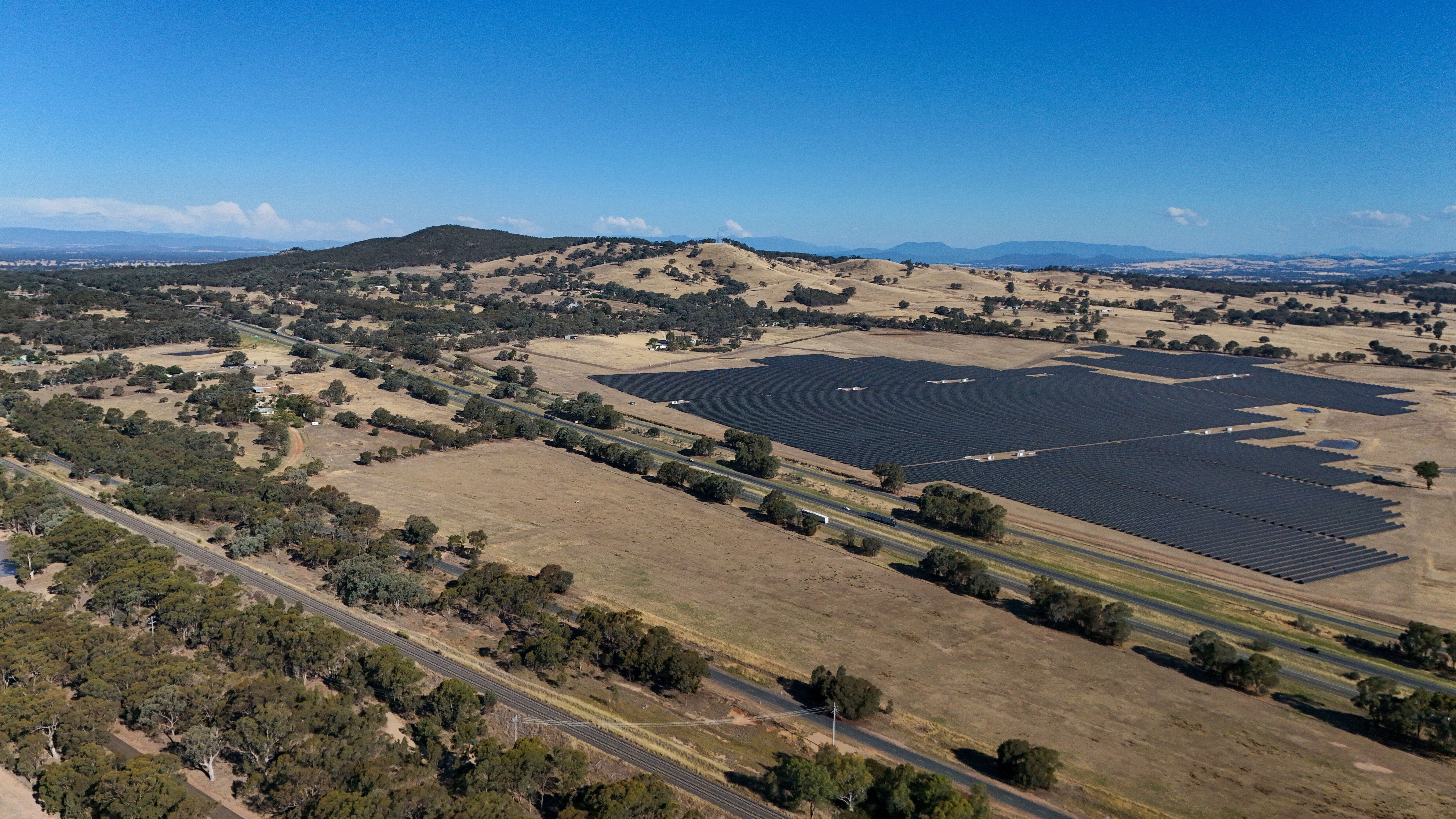
In addition to environmental benefits, solar energy also offers economic advantages. It creates jobs in manufacturing, installation, and maintenance, boosting local economies. As the industry grows, it will provide more opportunities for skilled workers and drive innovation in related fields.
Challenges and Opportunities
Despite its potential, the solar energy sector faces challenges such as the need for improved grid infrastructure and energy storage solutions. The intermittent nature of solar power requires reliable storage systems to ensure a consistent energy supply. However, these challenges also present opportunities for innovation and investment.
Australia’s research institutions and businesses are working on developing advanced battery technologies and grid management systems. By addressing these challenges, the country can enhance its energy security and reliability.

The Way Forward
The future of solar energy in Australia is bright, with continued government support and technological breakthroughs paving the way. Public awareness and community engagement are essential for sustaining momentum and fostering a culture of sustainability.
As more Australians embrace solar power, the country will move closer to achieving its renewable energy goals. By investing in solar technology and infrastructure, Australia can set a global example in the transition to clean energy.