
Expert Insights: Understanding the Latest Solar Technology Trends


Introduction to Solar Technology Trends
The solar energy industry has been experiencing rapid advancements, transforming how we harness and utilize the sun's power. Understanding the latest solar technology trends is crucial for businesses and consumers aiming to invest in sustainable solutions. With ongoing innovations, solar technology is becoming more efficient, accessible, and affordable.
Enhanced Photovoltaic Cells
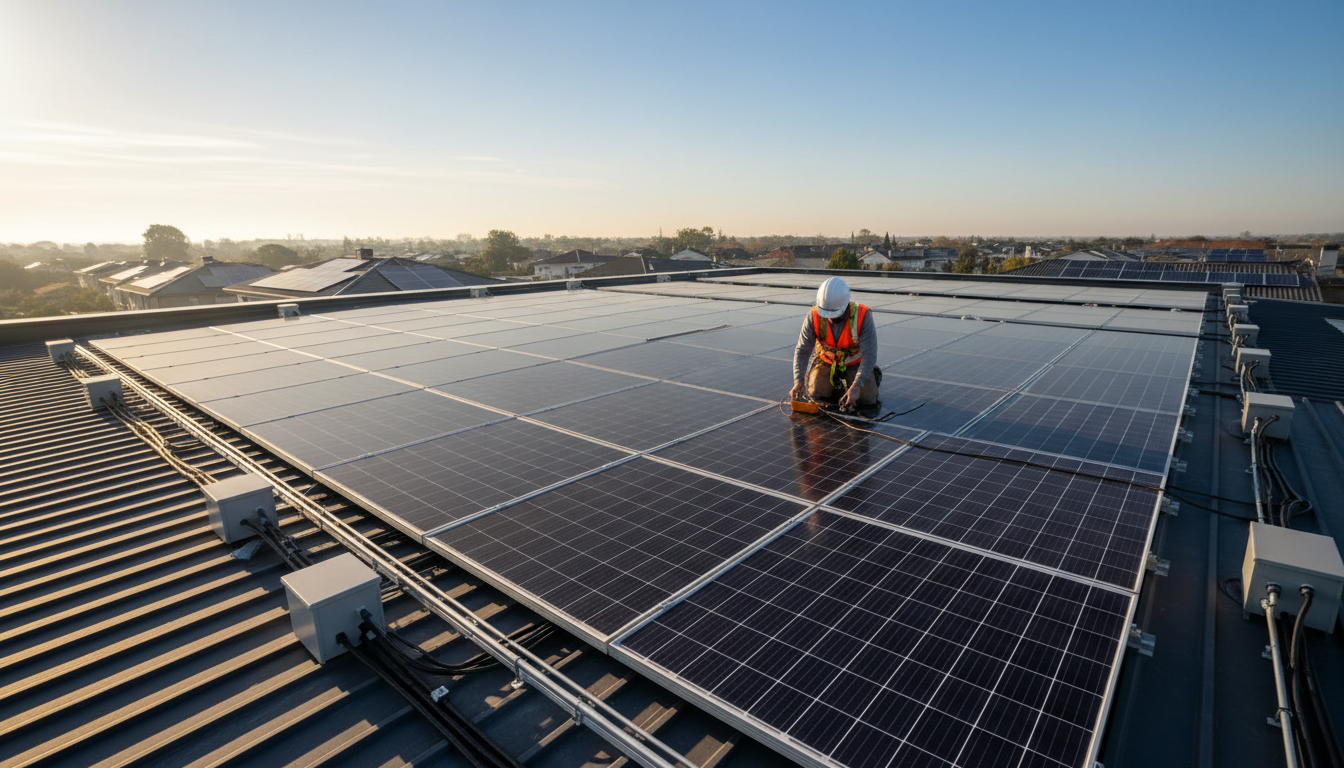
Photovoltaic (PV) cells are the backbone of solar technology. Recent developments have focused on increasing their efficiency and durability. New materials, such as perovskite, are being integrated into PV cells, offering higher efficiency rates and lower production costs. These advancements could significantly increase the adoption of solar panels in residential and commercial sectors.
Moreover, bifacial solar panels, which capture sunlight on both sides, are gaining popularity. They optimize energy absorption by using reflected sunlight from the ground, thus maximizing power output without requiring additional space.
Energy Storage Solutions
The effectiveness of solar technology greatly depends on energy storage capabilities. Recent trends highlight improvements in battery technology, crucial for storing solar energy for use during non-sunny hours. Lithium-ion batteries have been the standard, but new alternatives like solid-state batteries are emerging, promising higher energy densities and longer lifespans.
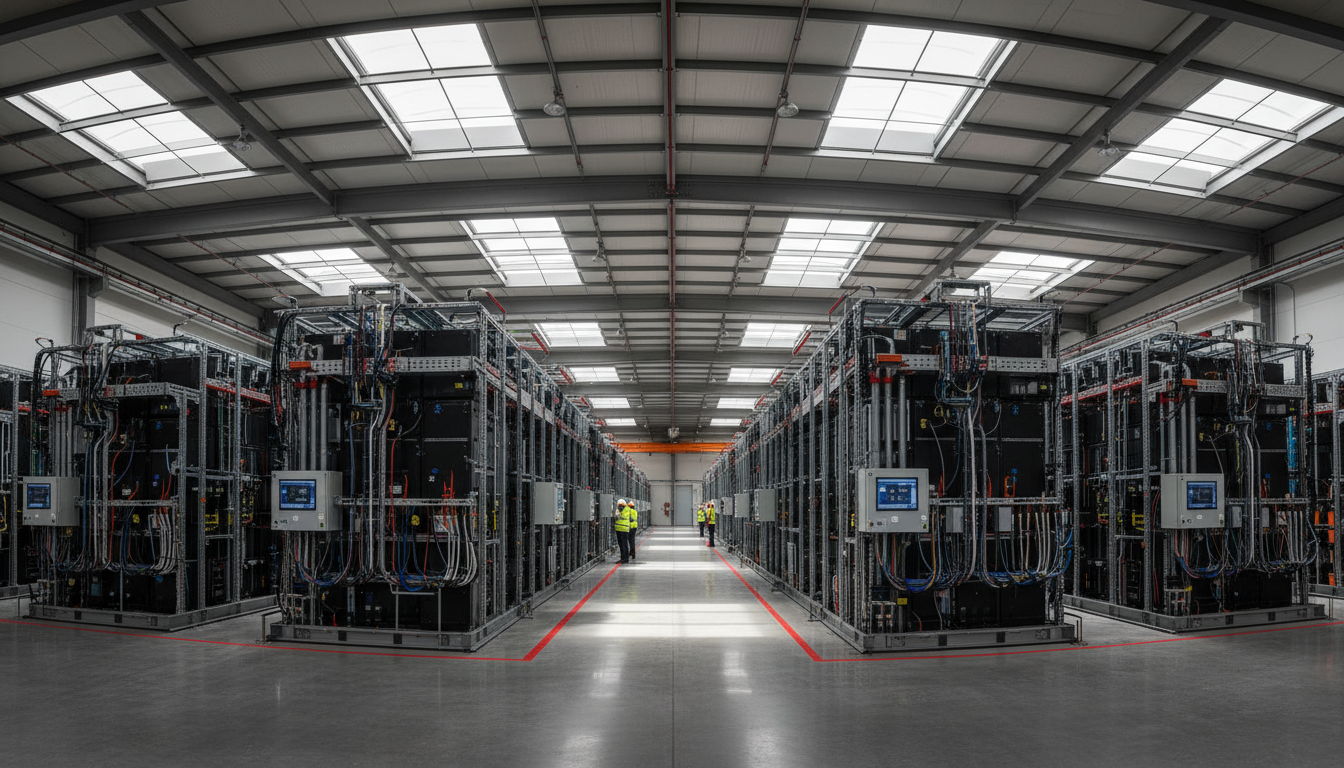
Additionally, solar-plus-storage systems are becoming more integrated, allowing seamless management of energy flows and enhancing overall efficiency. This trend is particularly beneficial for remote locations and areas with unstable power grids.
Smart Solar Systems
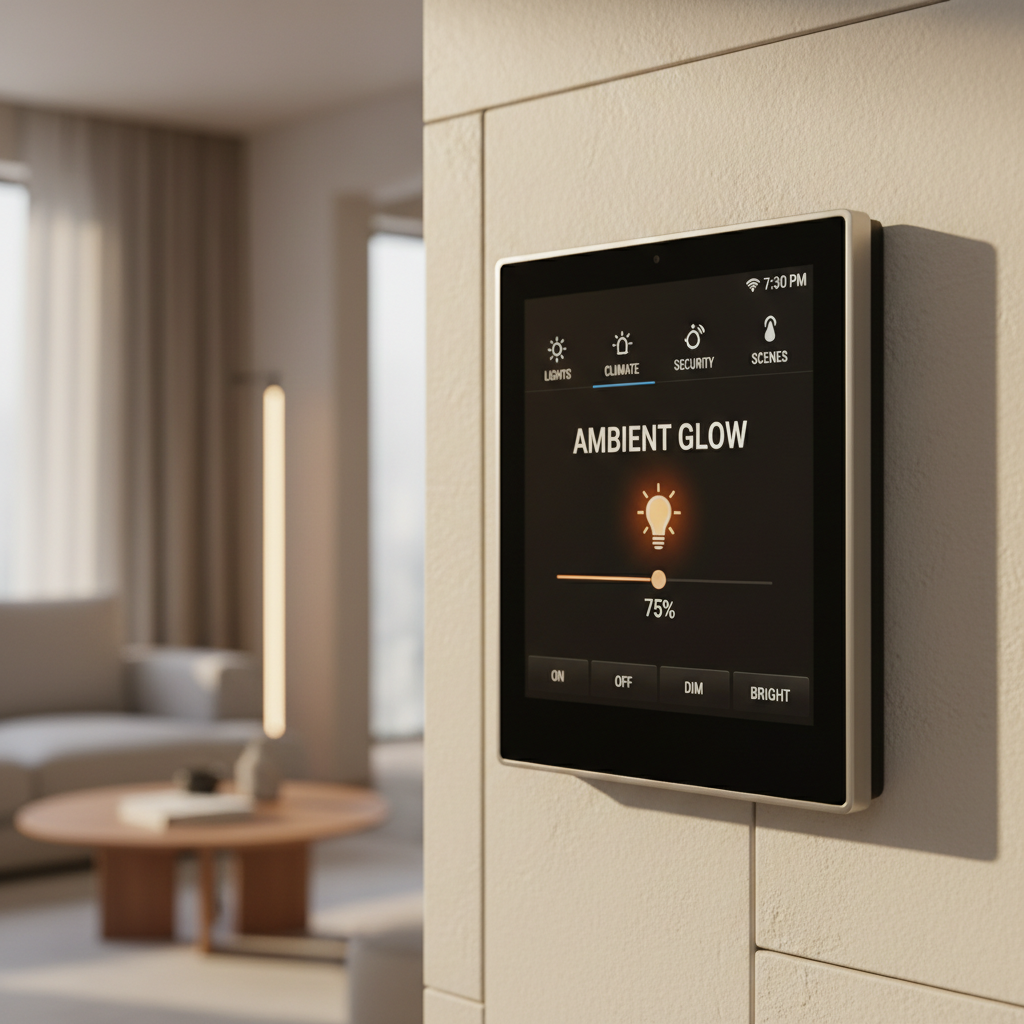
Integrating smart technology with solar solutions is another trend reshaping the industry. Smart solar systems utilize artificial intelligence and the Internet of Things (IoT) to optimize energy production and consumption. These systems can predict energy usage patterns, weather changes, and adjust operations accordingly for maximum efficiency.
Homeowners and businesses can now monitor their solar systems in real-time through mobile apps, enabling proactive management and maintenance.
Solar Innovations in Architecture
Architectural innovations are also influencing solar technology trends. Building-integrated photovoltaics (BIPV) are being incorporated into roofs, facades, and windows, transforming structures into energy generators. This integration not only enhances the aesthetic appeal but also reduces the need for traditional solar panels.
Solar skins and transparent solar panels are also emerging, providing more versatility in design and application. These technologies offer architects and builders new opportunities to create sustainable and energy-efficient buildings.
Conclusion
The ongoing advancements in solar technology are paving the way for a more sustainable future. By embracing these trends, individuals and businesses can contribute to a cleaner environment while reducing energy costs. Staying informed about these developments ensures that stakeholders can make educated decisions about their energy solutions, ultimately leading to broader adoption of solar technology worldwide.