How to Choose the Right Solar System for Your Home


Understanding Your Energy Needs
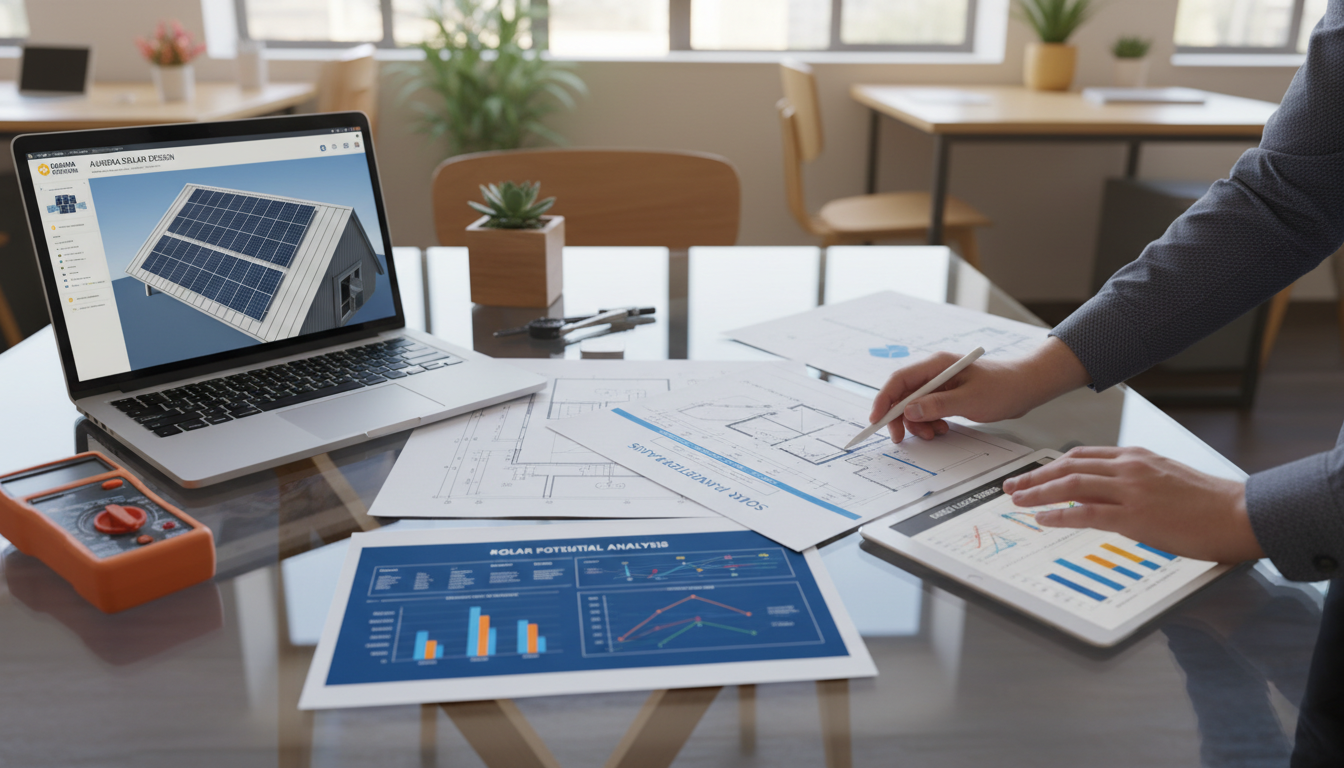
Before investing in a solar system, it's crucial to assess your home's energy requirements. Start by examining your electricity bills over the past year to determine your average monthly consumption. This will give you a clear idea of the capacity you'll need from a solar system.
Consider factors like the number of people in your household and your typical usage patterns. A family of four might have different energy needs than a single occupant. Understanding these details will help you choose a system that meets your specific demands.
Types of Solar Panels
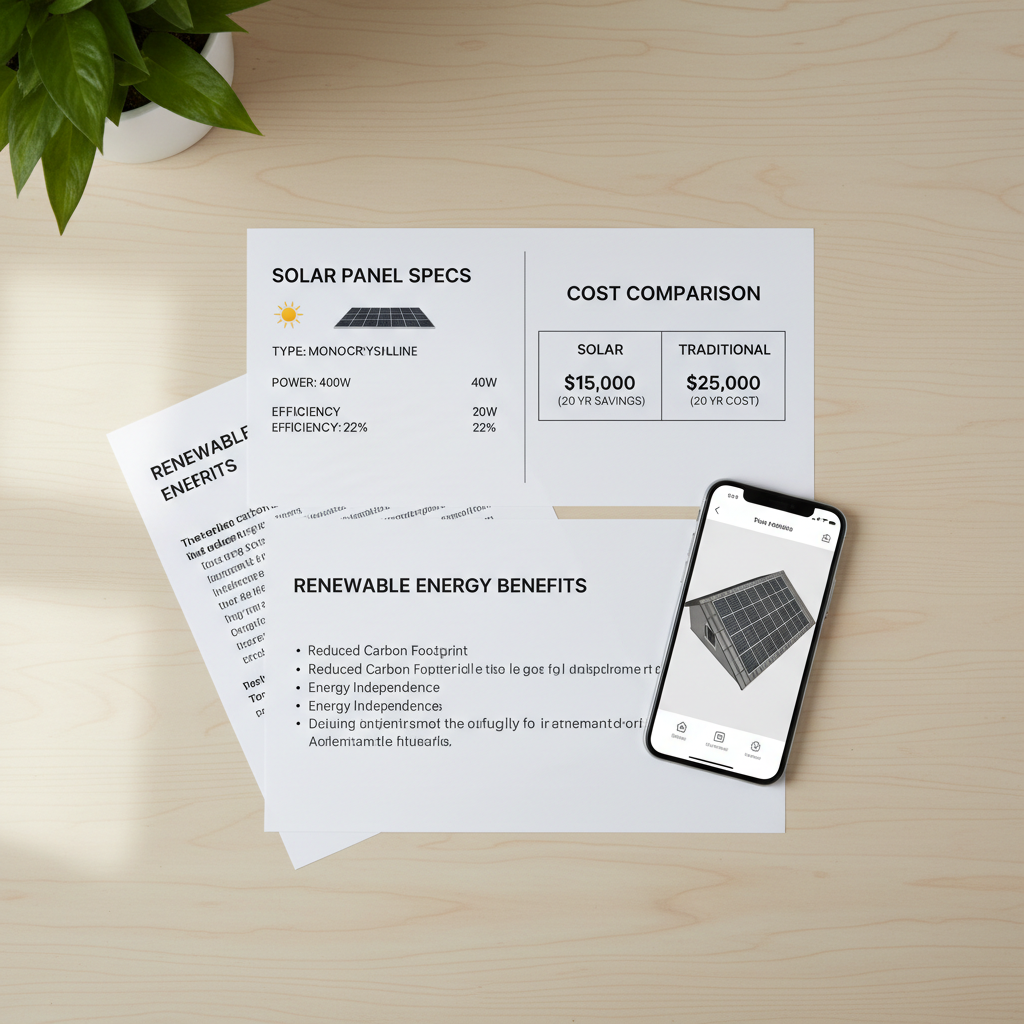
There are several types of solar panels available, each with its own advantages and disadvantages. The most common types include monocrystalline, polycrystalline, and thin-film solar panels.
Monocrystalline Panels
Monocrystalline panels are known for their high efficiency and sleek appearance. They are made from a single crystal structure, which allows them to convert sunlight into electricity more efficiently.
Polycrystalline Panels
Polycrystalline panels are generally more affordable but slightly less efficient than monocrystalline options. They are made from multiple silicon crystals and have a bluish hue.
Evaluating Your Roof
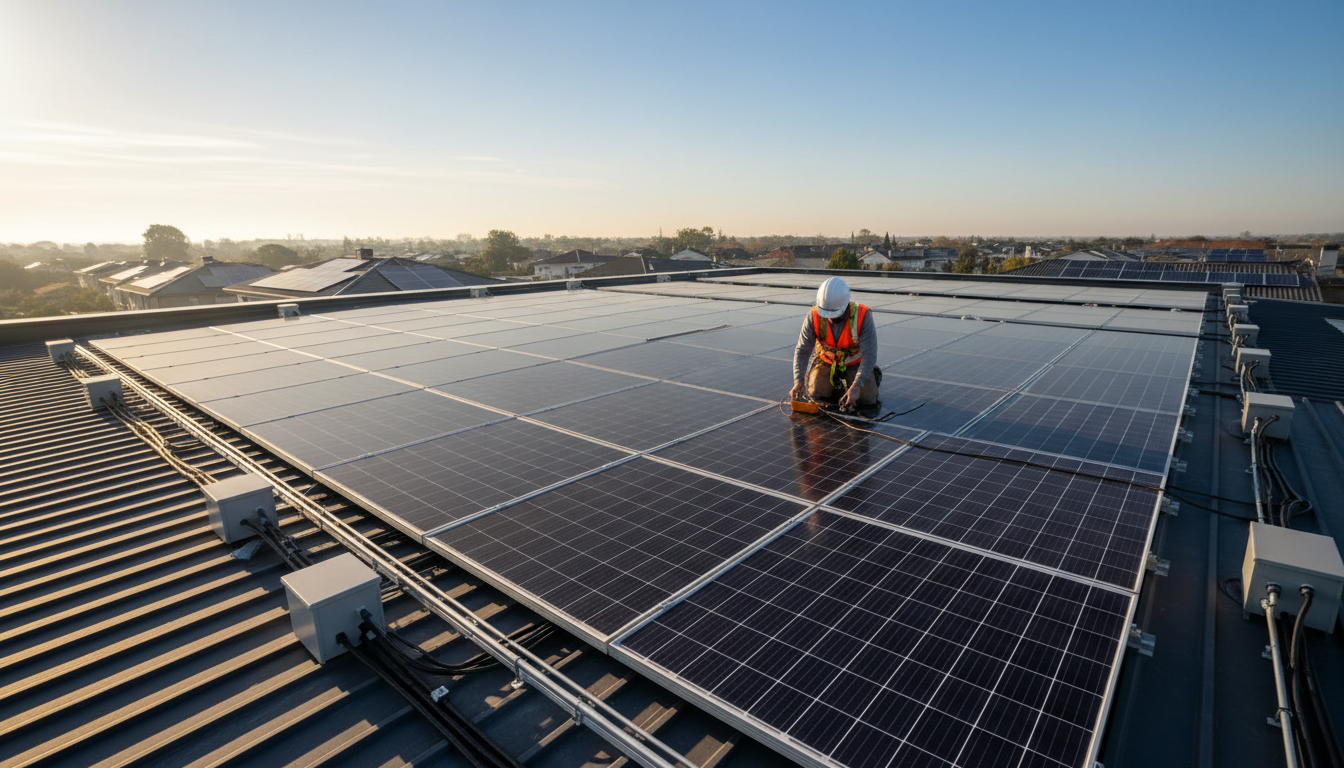
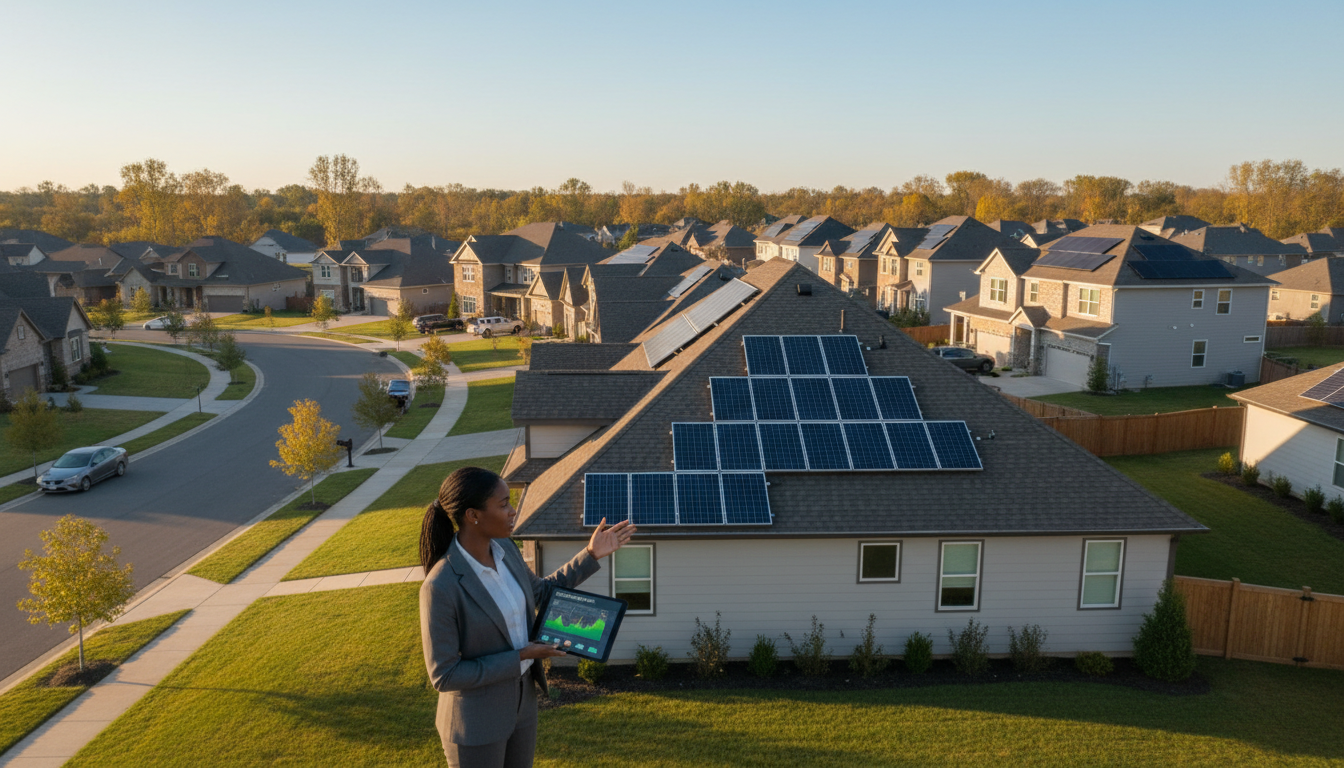
Your roof's condition, size, and orientation play a significant role in the effectiveness of a solar system. Ensure your roof is in good repair and can support the weight of solar panels. South-facing roofs are ideal in the northern hemisphere, as they receive the most sunlight throughout the day.
If your roof is shaded by trees or other buildings, you might need to consider trimming or removing obstacles to maximize sun exposure. Alternatively, ground-mounted systems are an option if roof installation isn't feasible.
Understanding Inverters
Inverters are a vital component of any solar system, converting the DC electricity generated by the panels into AC electricity used by your home. There are different types of inverters, including string inverters and microinverters.
String Inverters
String inverters are cost-effective and work well for installations where panels are not shaded. They connect multiple panels together, converting the power from all of them simultaneously.
Microinverters
Microinverters are installed on each panel, optimizing the power conversion individually. They are more expensive but offer better performance in systems where shading is a concern.
Budget Considerations
Your budget is a crucial factor when selecting a solar system. While solar installations can be a significant upfront investment, they offer long-term savings on electricity bills. Consider available tax credits and incentives that can reduce the initial cost.
It's essential to balance cost with quality. Investing in a reliable system from a reputable installer can provide peace of mind and ensure your system performs efficiently for years to come.