
Maximizing Solar Efficiency: Tips from the Experts


Understanding Solar Panel Placement
One of the most crucial factors in maximizing solar efficiency is the placement of your solar panels. Experts recommend installing panels on a south-facing roof for optimal sun exposure throughout the day. If a south-facing option isn't available, consider east or west-facing orientations as alternatives.
Additionally, ensure that your panels are installed at the correct angle. This angle should be equivalent to your geographical latitude to capture the most sunlight. Adjusting the tilt according to the season can also enhance performance, with a steeper angle in winter and a flatter one in summer.
Regular Maintenance and Cleaning
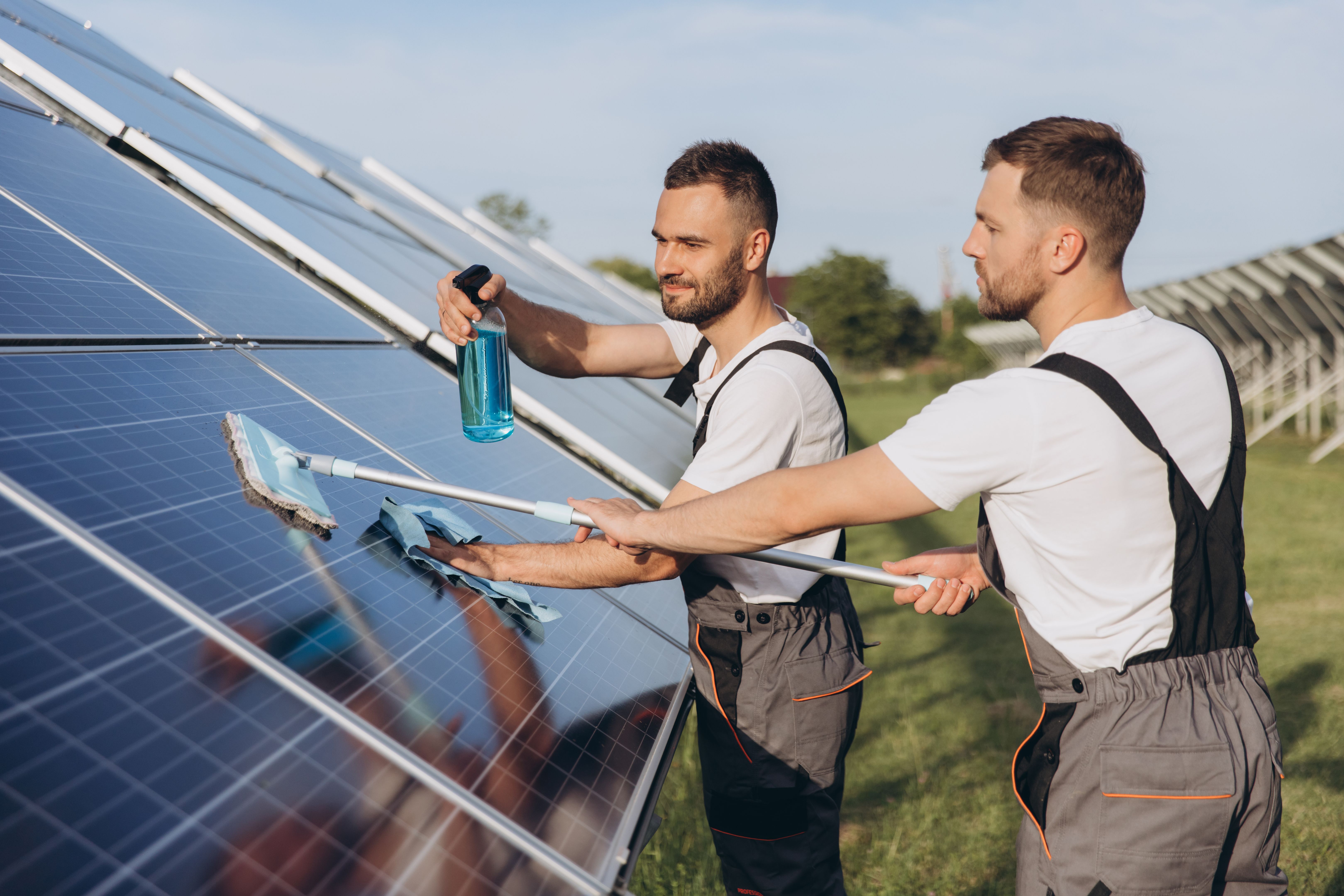
Keeping your solar panels clean is essential for ensuring they operate at maximum efficiency. Dirt, dust, and debris can accumulate on the surface, blocking sunlight and reducing output. Regular cleaning, typically every six months, can help maintain their performance.
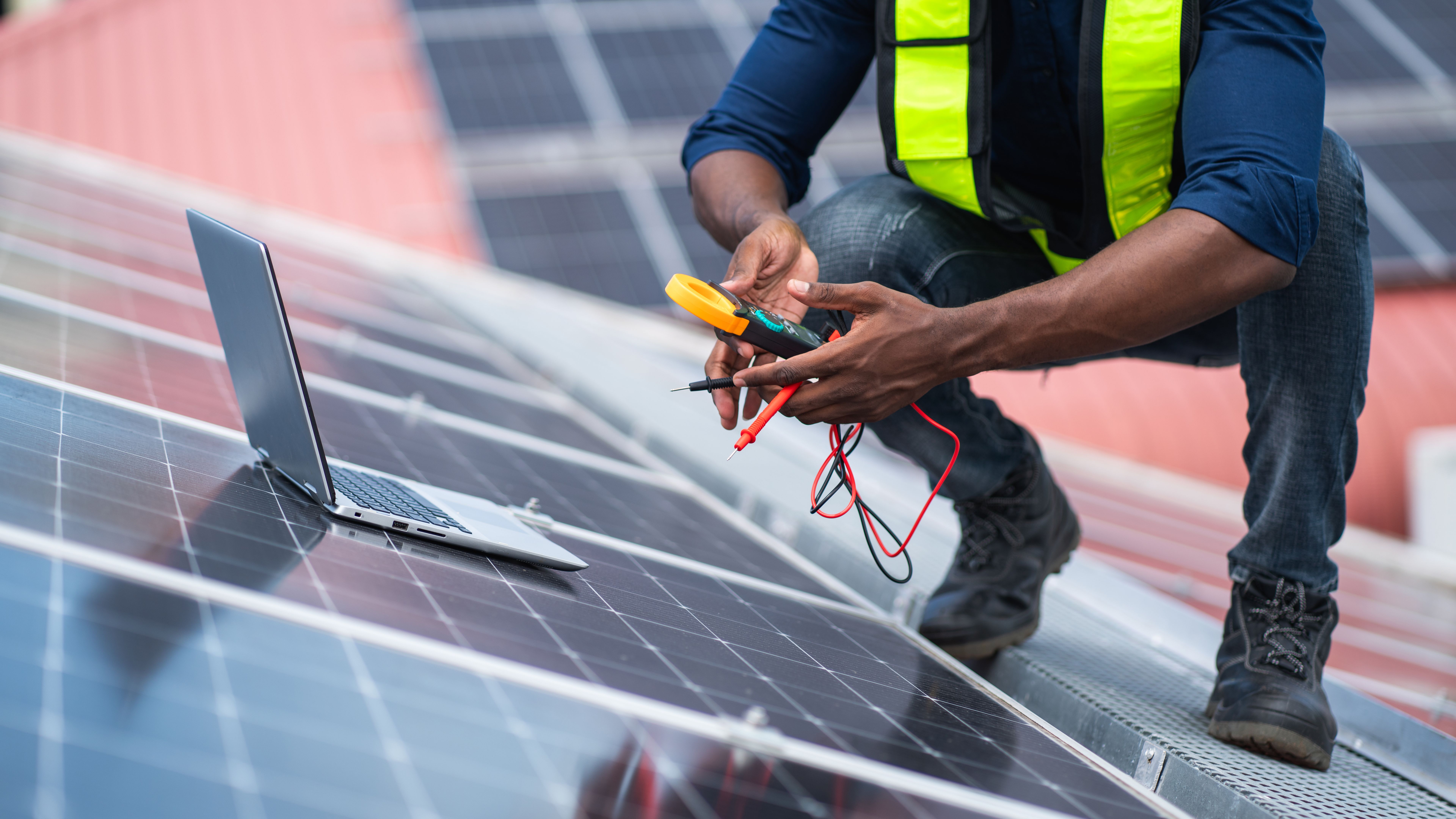
It's also important to schedule professional inspections to check for any damage or issues. Experts recommend inspecting your solar setup at least once a year to ensure everything is functioning optimally and to identify any potential problems early.
Utilizing Energy Storage Solutions
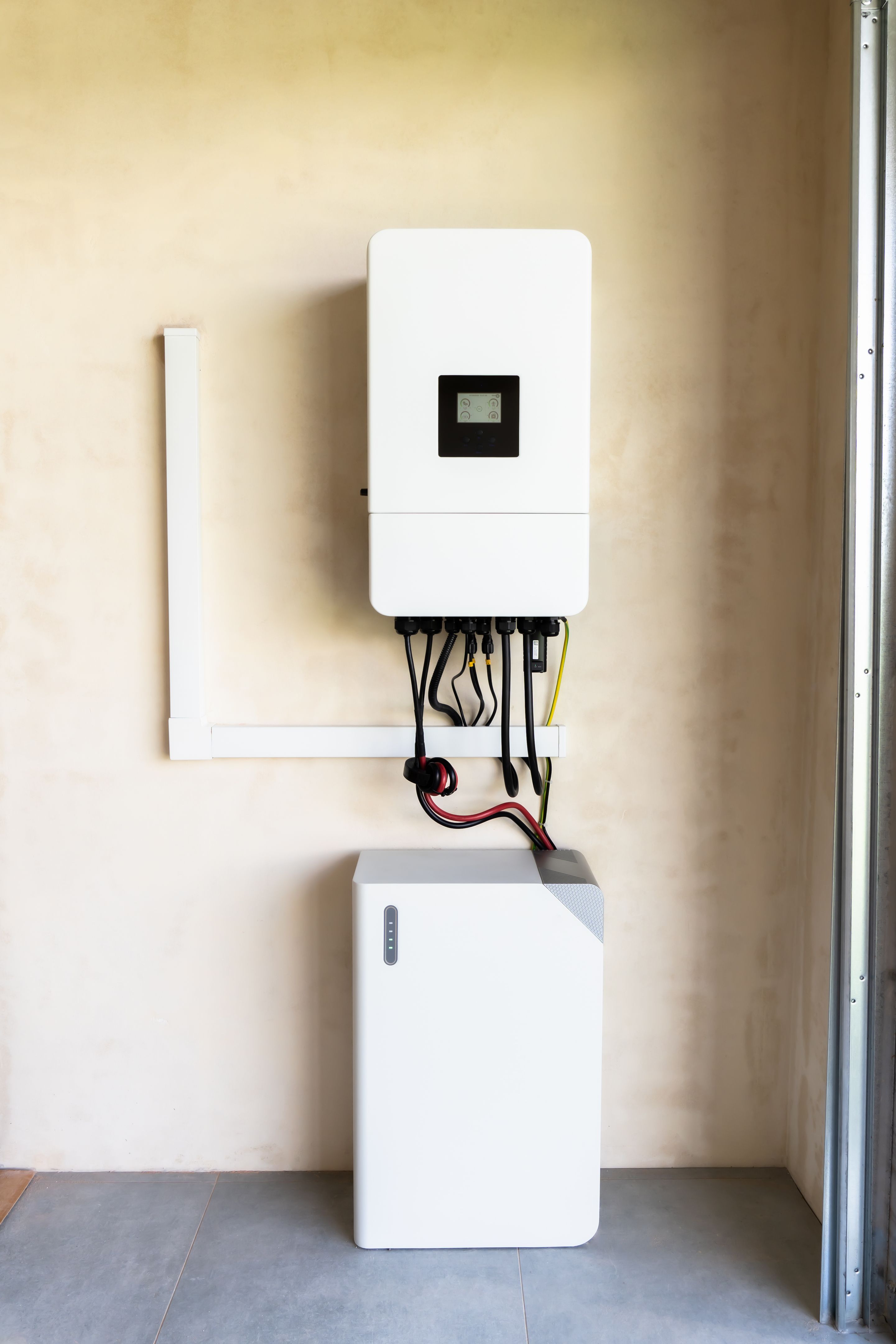
To make the most out of your solar energy system, consider investing in energy storage solutions like batteries. These systems allow you to store excess energy generated during the day for use during nighttime or cloudy days, reducing reliance on the grid.
Energy storage systems can also provide backup power during outages, ensuring that your home remains powered even during emergencies. This added reliability is a significant advantage of incorporating storage into your solar setup.
Monitoring and Optimization
Implementing a monitoring system can significantly impact the efficiency of your solar panels. These systems allow you to track energy production in real-time, helping you identify any inefficiencies or issues quickly.
Many monitoring systems offer insights into your energy consumption patterns, enabling you to adjust usage habits to save more on electricity bills. Optimizing your consumption based on these insights can lead to even greater energy savings.
Smart Home Integration
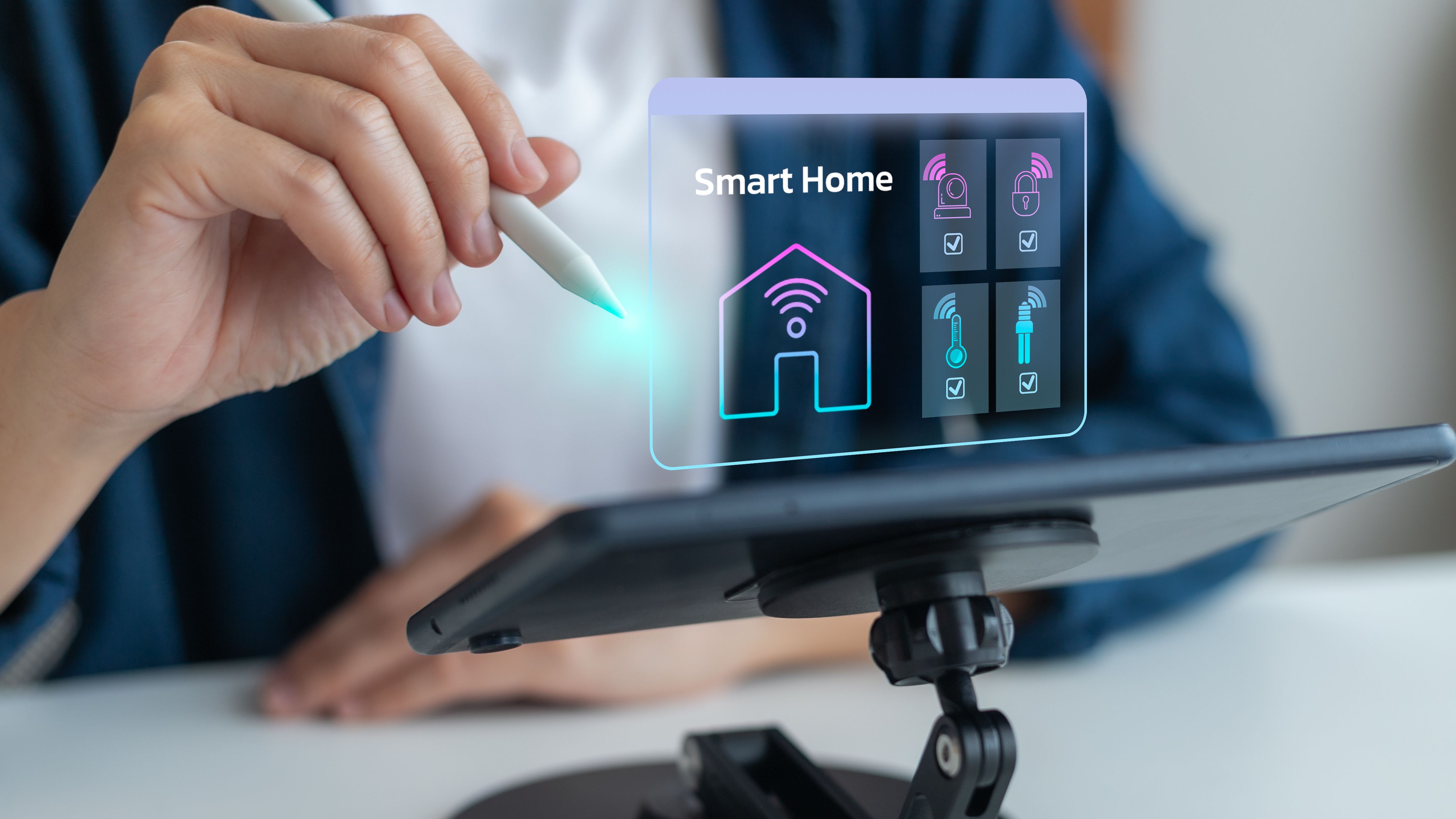
Integrating your solar system with smart home technology can further enhance its efficiency. Smart thermostats, for example, can adjust heating and cooling based on solar production, maximizing the use of available solar energy.
Other smart devices, such as automated lighting and appliances, can be programmed to operate when solar energy production is at its peak, ensuring that you make the most of your renewable energy.
Financial Incentives and Rebates
To encourage the adoption of solar energy, many governments and local agencies offer financial incentives and rebates. These programs can significantly reduce the upfront costs of solar panel installation, making it more accessible to homeowners.
It’s advisable to research available incentives in your area and take advantage of these programs to maximize your investment in solar technology. Understanding the financial benefits can also help you plan your solar energy strategy more effectively.