
Myths About Solar Energy: What You Need to Know


Understanding Common Myths About Solar Energy
Solar energy has gained significant popularity as an eco-friendly alternative to traditional power sources. However, with its rise, several myths have emerged, leading to confusion. Let’s debunk some of these misconceptions and shed light on the truth about solar energy.

Myth 1: Solar Panels Don’t Work in Cloudy Weather
One of the most pervasive myths is that solar panels require constant sunlight to function. While it’s true that solar panels are most efficient in direct sunlight, they can still generate electricity on cloudy days. Modern solar technology is designed to capture various spectrums of light, ensuring power generation even in less sunny conditions.
Countries like Germany, which experience a fair share of cloudy days, are leading users of solar energy, proving that efficient solar power is not exclusive to sunny regions.
Myth 2: Solar Energy Is Too Expensive
The initial cost of solar panel installation can seem daunting, but it's important to consider the long-term savings. Over time, solar energy can significantly reduce or even eliminate electricity bills. Moreover, there are numerous incentives and tax credits available that can offset the upfront costs, making solar energy more accessible than ever before.
Myth 3: Solar Panels Require Constant Maintenance
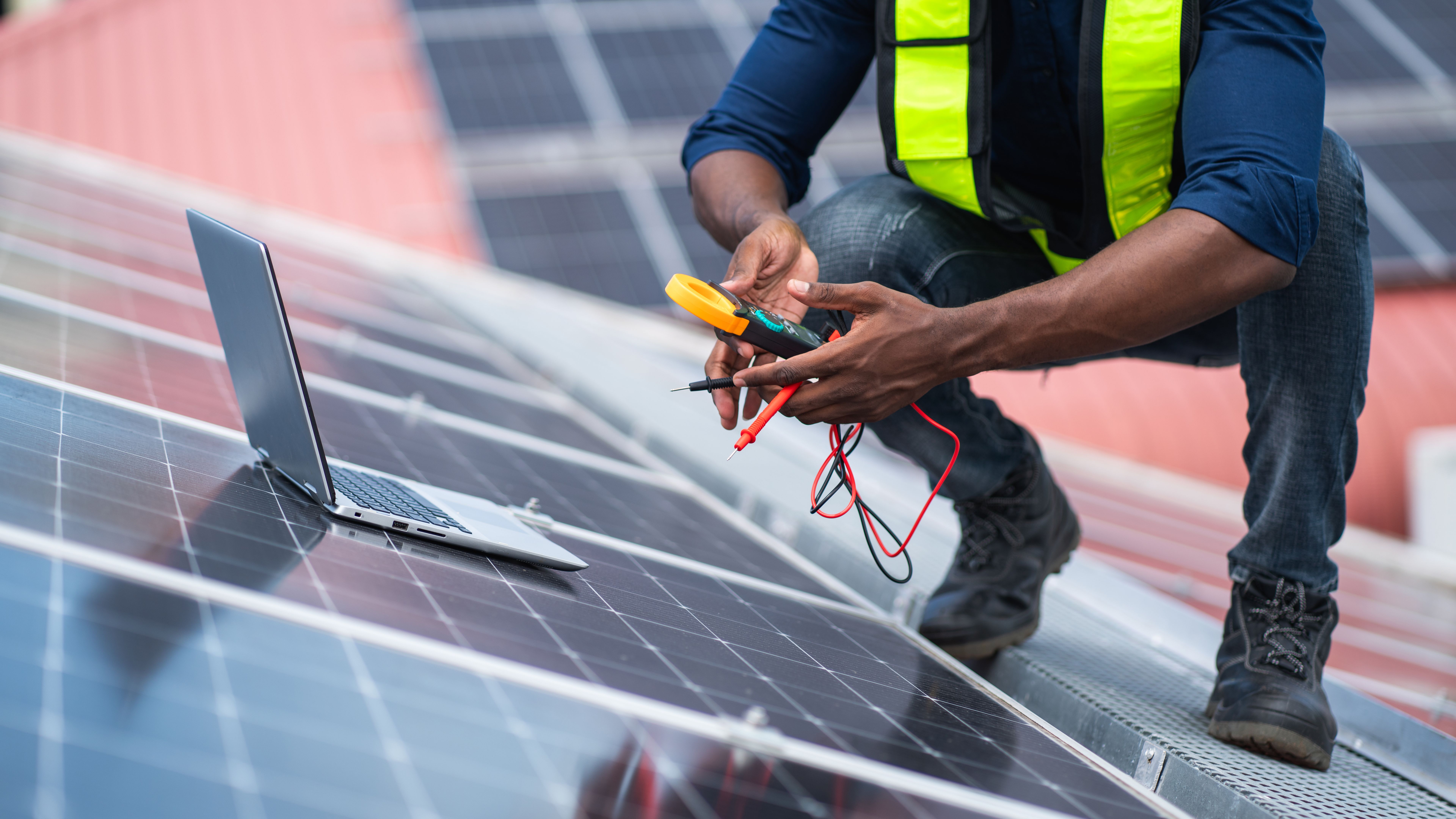
Many people believe that solar panels need constant upkeep, but this is not the case. Solar systems are designed to be durable and require minimal maintenance. Most panels come with warranties that last 20-25 years, and regular cleaning and occasional inspection are typically all that’s needed to ensure optimal performance.
In fact, the lack of moving parts in solar panels means there are fewer components that can wear out over time, making them a low-maintenance energy solution.
Myth 4: Solar Panels Are Harmful to the Environment
Some argue that the production and disposal of solar panels are harmful to the environment. However, the environmental benefits of solar energy far outweigh the impacts of their production. Solar panels significantly reduce carbon emissions and decrease reliance on fossil fuels. Additionally, advancements in recycling technologies are making the disposal of solar panels more sustainable.
Myth 5: Solar Energy Is Not Reliable
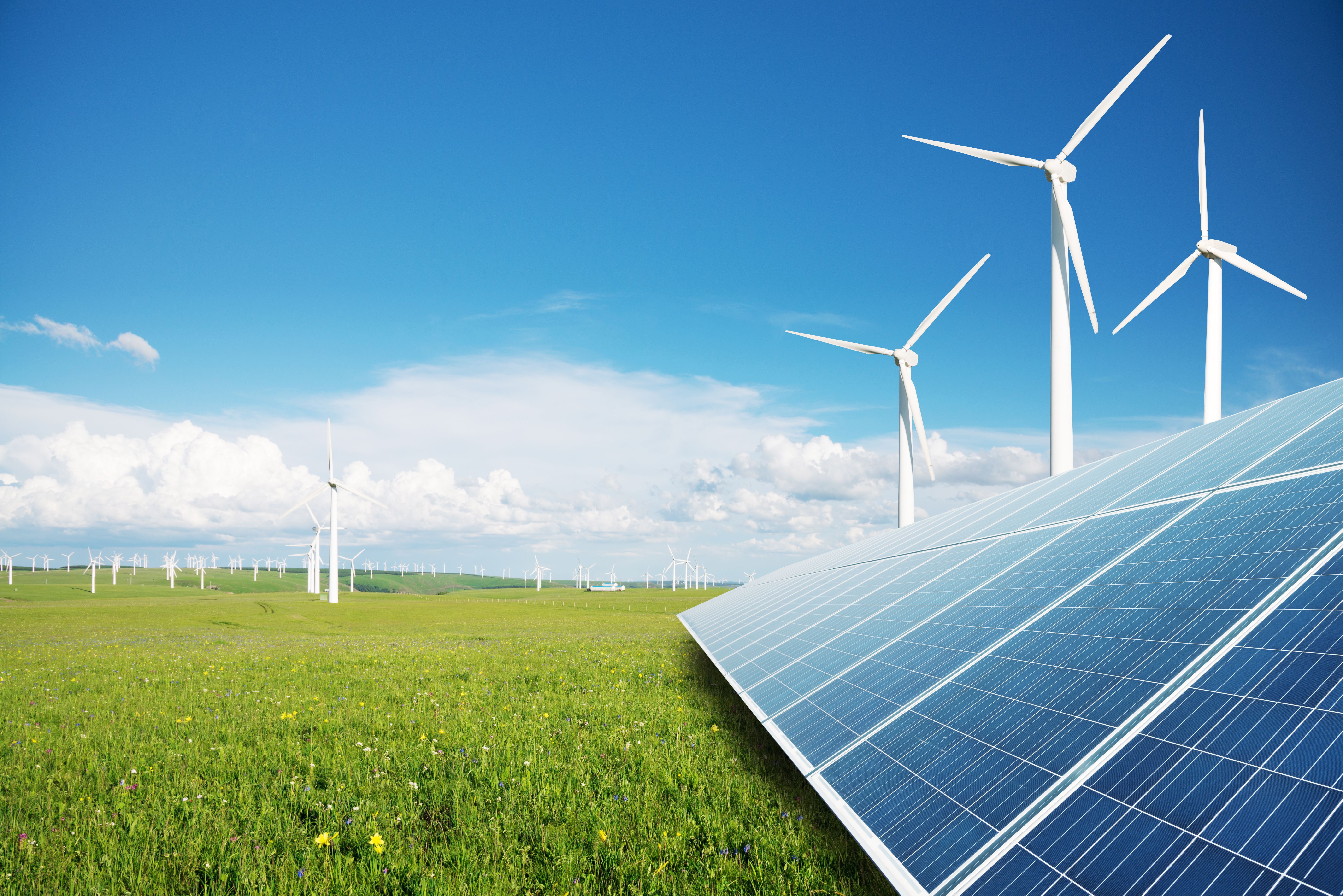
There is a misconception that solar energy is unreliable because it depends on sunlight. However, with advancements in battery storage technology, solar energy can be stored efficiently for use when the sun isn’t shining. This stored energy ensures a continuous power supply regardless of weather conditions or time of day.
In conclusion, solar energy is a viable and sustainable power source with numerous benefits that outweigh the myths surrounding it. As technology continues to advance, solar energy will become even more efficient and accessible, paving the way for a cleaner, greener future.