
Navigating Australian Solar Regulations: A Homeowner's Guide


As more homeowners in Australia consider switching to solar energy, understanding the regulatory landscape becomes essential. Navigating these regulations can seem daunting, but with the right guidance, you can make informed decisions that benefit both your wallet and the environment.
Understanding Australian Solar Regulations
Australia’s solar regulations are designed to ensure safety, efficiency, and fairness in the solar energy market. These regulations vary across states and territories, so it's important to familiarize yourself with the specific rules that apply to your location.
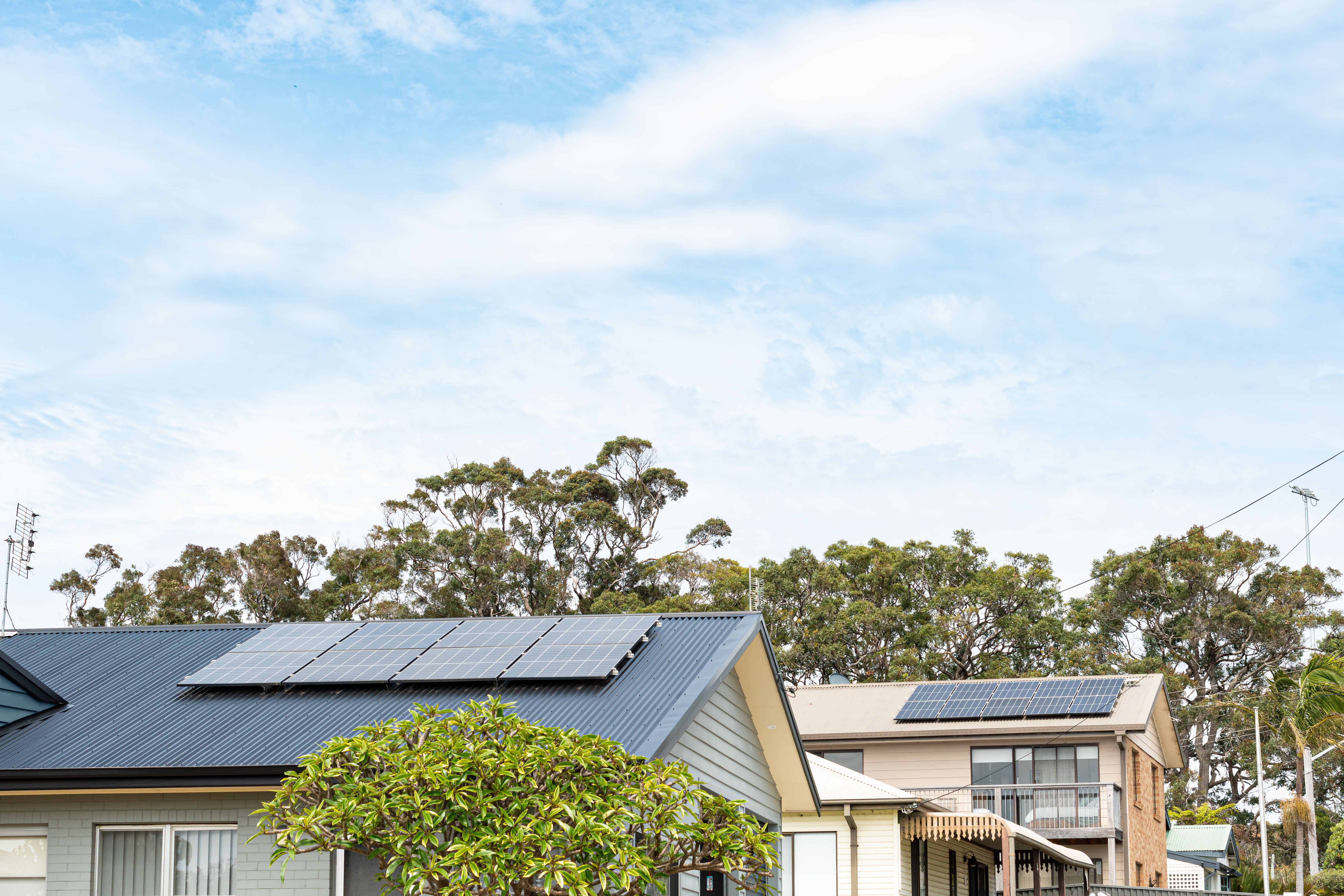
At the national level, the Clean Energy Council (CEC) provides guidelines and standards for solar installations. Homeowners should ensure that their chosen solar panels and inverters are on the CEC's approved list. Additionally, installers must be accredited by the CEC to ensure compliance with quality and safety standards.
State and Territory Specific Regulations
Each state and territory in Australia has its own set of regulations and incentives. For example, in Queensland, homeowners might benefit from different feed-in tariffs compared to those in New South Wales. It's critical to research the incentives and rebates available in your area to maximize your investment.
In Victoria, the Solar Homes Program offers rebates to encourage solar adoption, making it more affordable for homeowners. Understanding these localized incentives can significantly impact the financial viability of your solar project.
Installation and Safety Standards
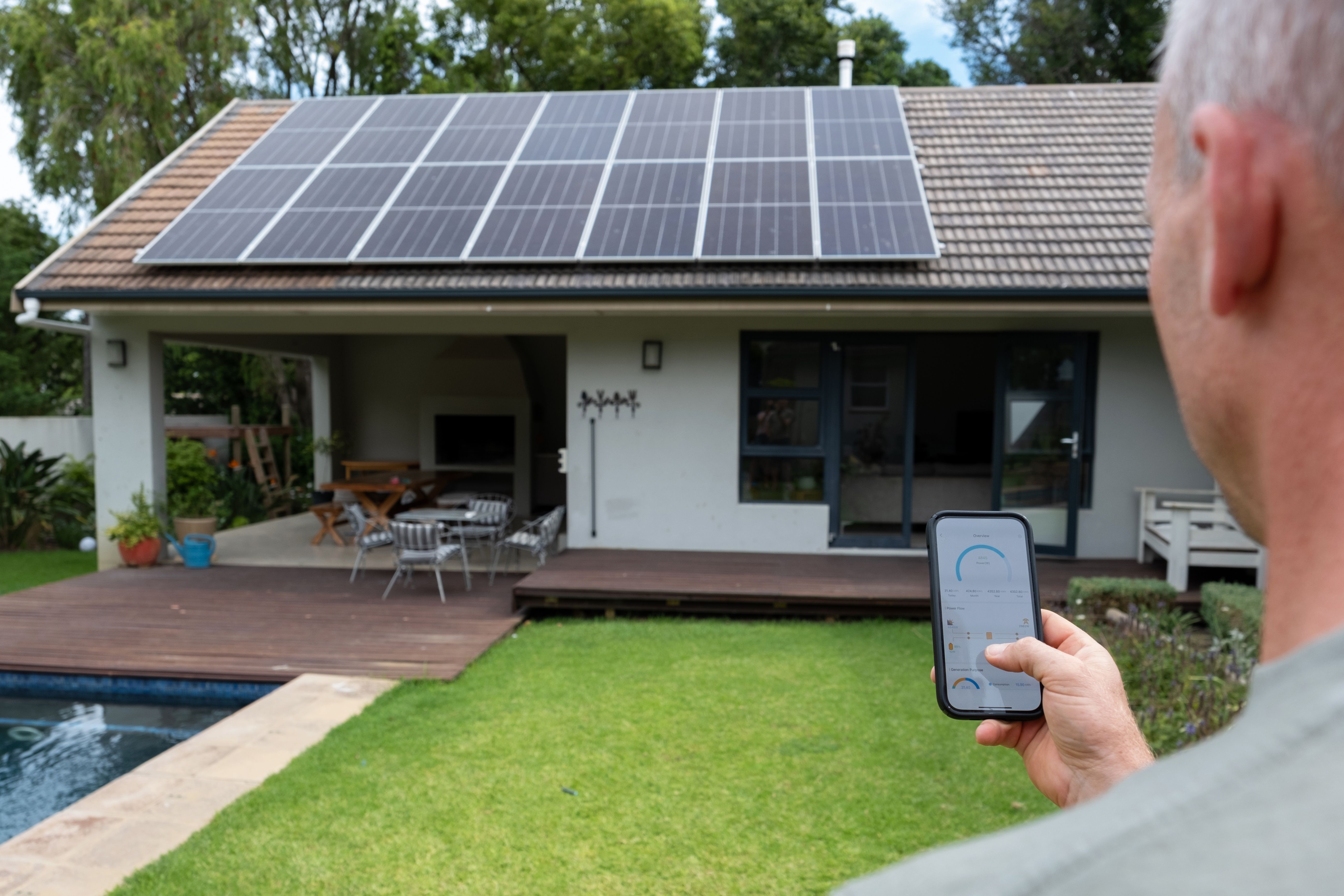
Safety is a top priority when it comes to solar installations. Homeowners must ensure that their solar systems comply with the Australian Standards for electrical installations. This includes using the correct wiring and ensuring that installations are carried out by licensed professionals.
Regular maintenance checks are also crucial to ensure the ongoing safety and efficiency of your solar system. An annual inspection by a certified installer can help identify any potential issues before they become serious problems.
Maximizing Solar Incentives
To make the most of your solar investment, it’s essential to understand and apply for available incentives. The Small-scale Renewable Energy Scheme (SRES) provides financial incentives for installing solar systems. Homeowners can earn Small-scale Technology Certificates (STCs), which can be sold to reduce the upfront cost of installation.
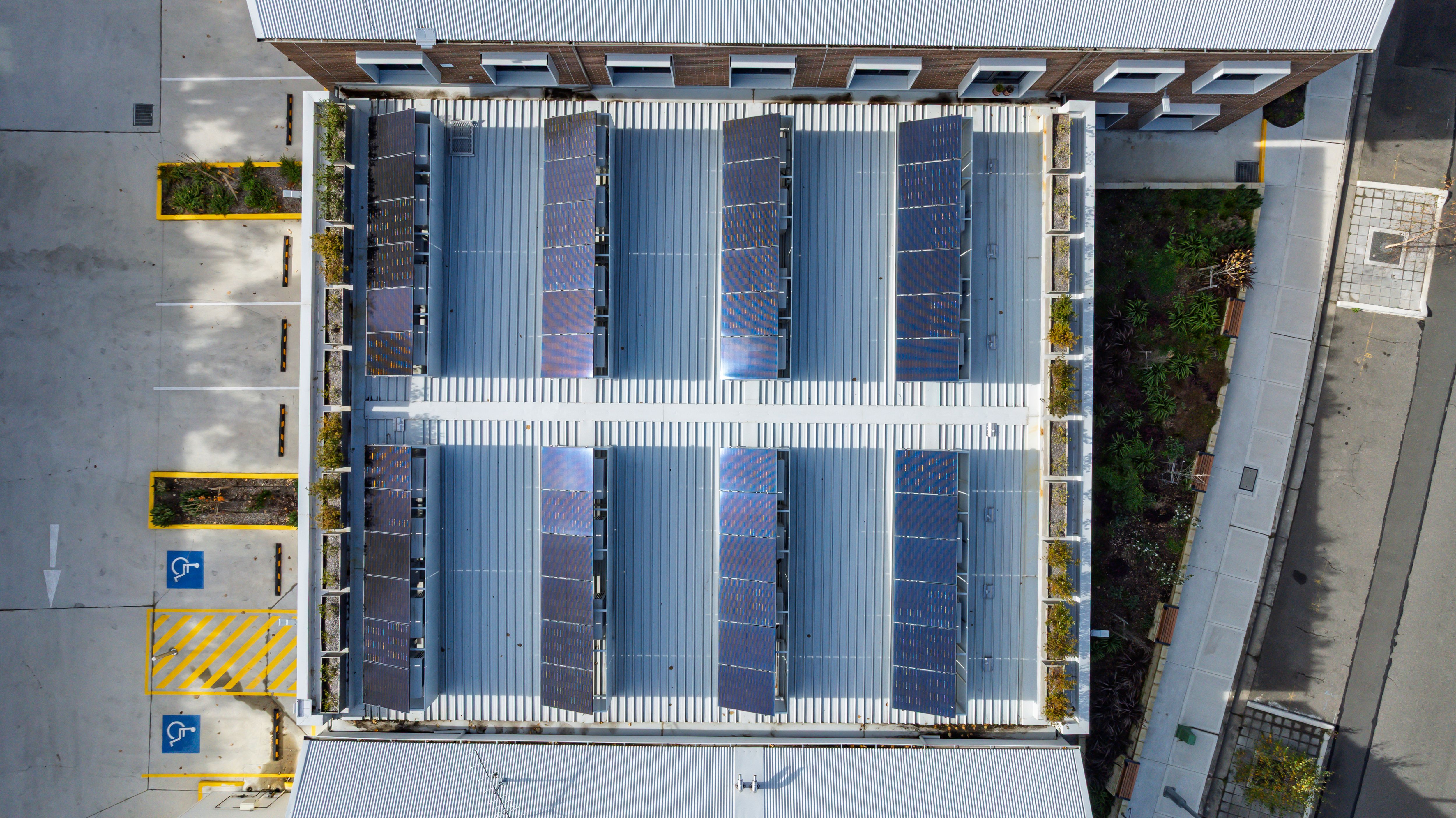
Feed-in tariffs are another important consideration. These tariffs allow homeowners to sell excess electricity generated by their solar panels back to the grid. The rate varies by state and provider, so it's worth shopping around for the best deal.
Conclusion: Making the Switch
Switching to solar energy is a significant step toward sustainability. By understanding and navigating the complex landscape of Australian solar regulations, homeowners can make informed decisions that lead to both environmental and financial benefits.
Taking the time to research and comply with these regulations ensures a smooth transition to solar energy, providing peace of mind and a positive impact on the environment. As solar technology continues to evolve, staying informed about regulatory changes will help you maximize the benefits of your solar investment.