
Solar Energy Myths Debunked: What You Need to Know


Understanding Solar Energy Myths
Solar energy has become a popular topic in recent years, yet several myths continue to cloud its reputation. Despite its growing adoption, misinformation can deter homeowners and businesses from making informed decisions. It's time to debunk these myths and shed light on the reality of solar power.
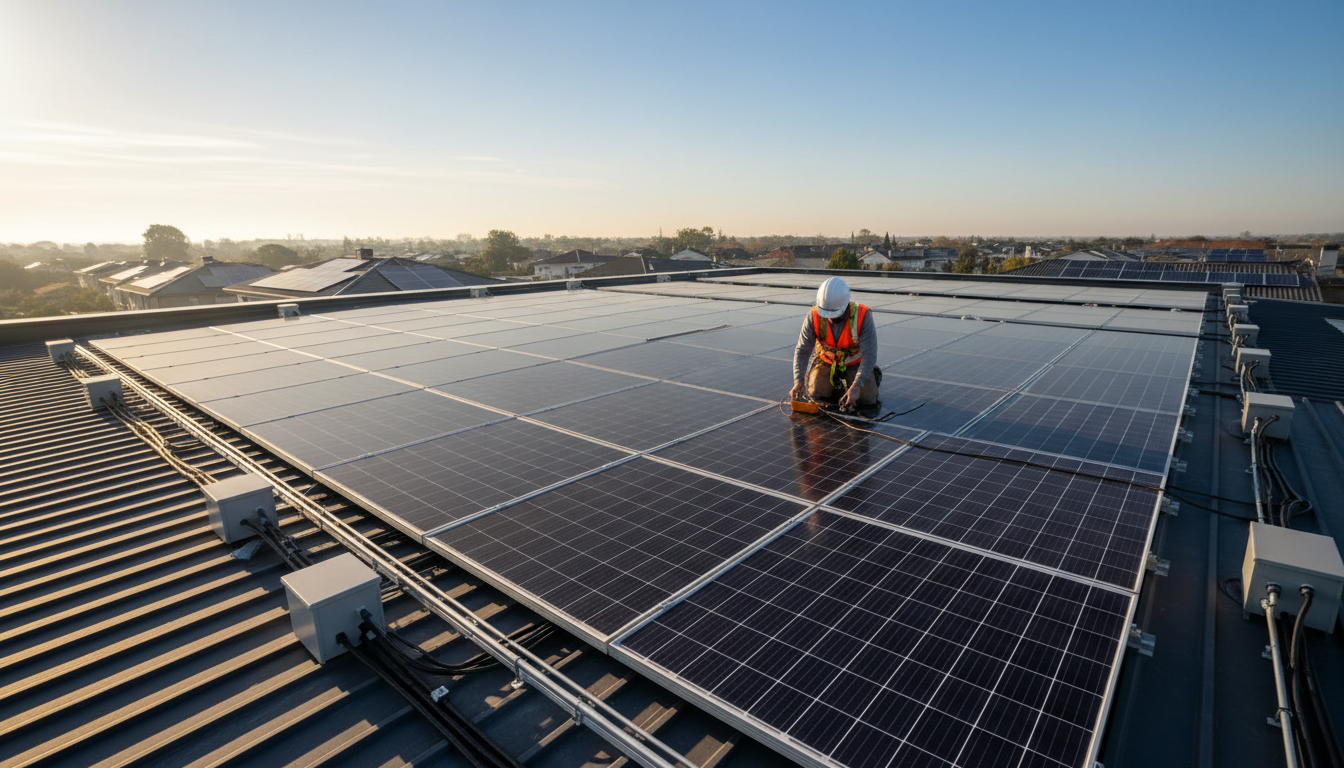
Myth 1: Solar Panels Don't Work in Cloudy Weather
One common misconception is that solar panels only function effectively in sunny climates. In reality, solar panels can generate electricity even on cloudy days. While it’s true that they perform best with direct sunlight, they are designed to capture diffused sunlight as well. Countries like Germany, which has a relatively cloudy climate, are leaders in solar energy production.
Myth 2: Solar Energy Is Too Expensive
The perception that solar energy is prohibitively expensive is outdated. Over the past decade, the cost of solar panels has decreased significantly, making it more affordable for everyday consumers. In addition, many governments offer incentives and tax credits to reduce initial installation costs further, making solar energy a viable option for many.
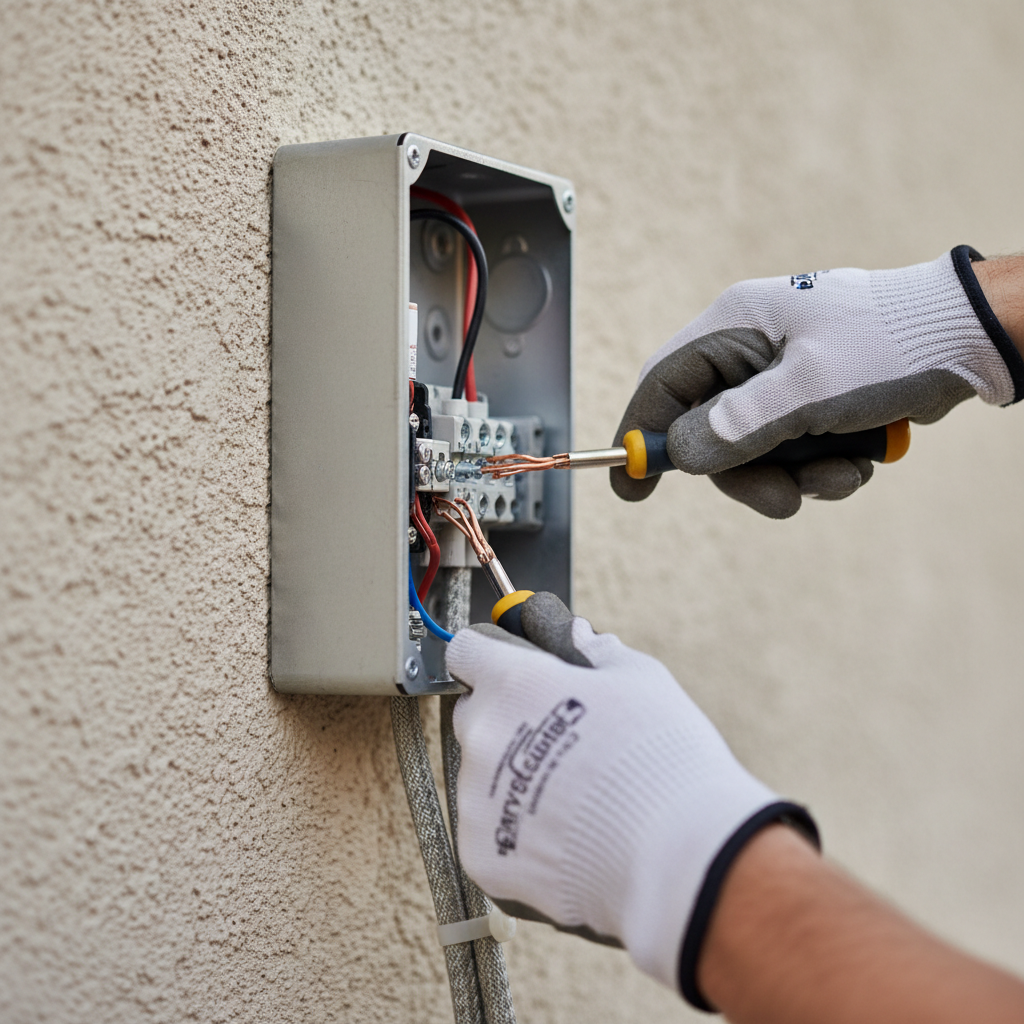
Efficiency and Reliability Concerns
Some believe that solar panels are not efficient enough to meet their energy needs. However, advancements in technology have greatly increased the efficiency of solar panels. Modern panels can convert a higher percentage of sunlight into electricity, providing ample energy for residential and commercial use.
Myth 3: Solar Panels Require Constant Maintenance
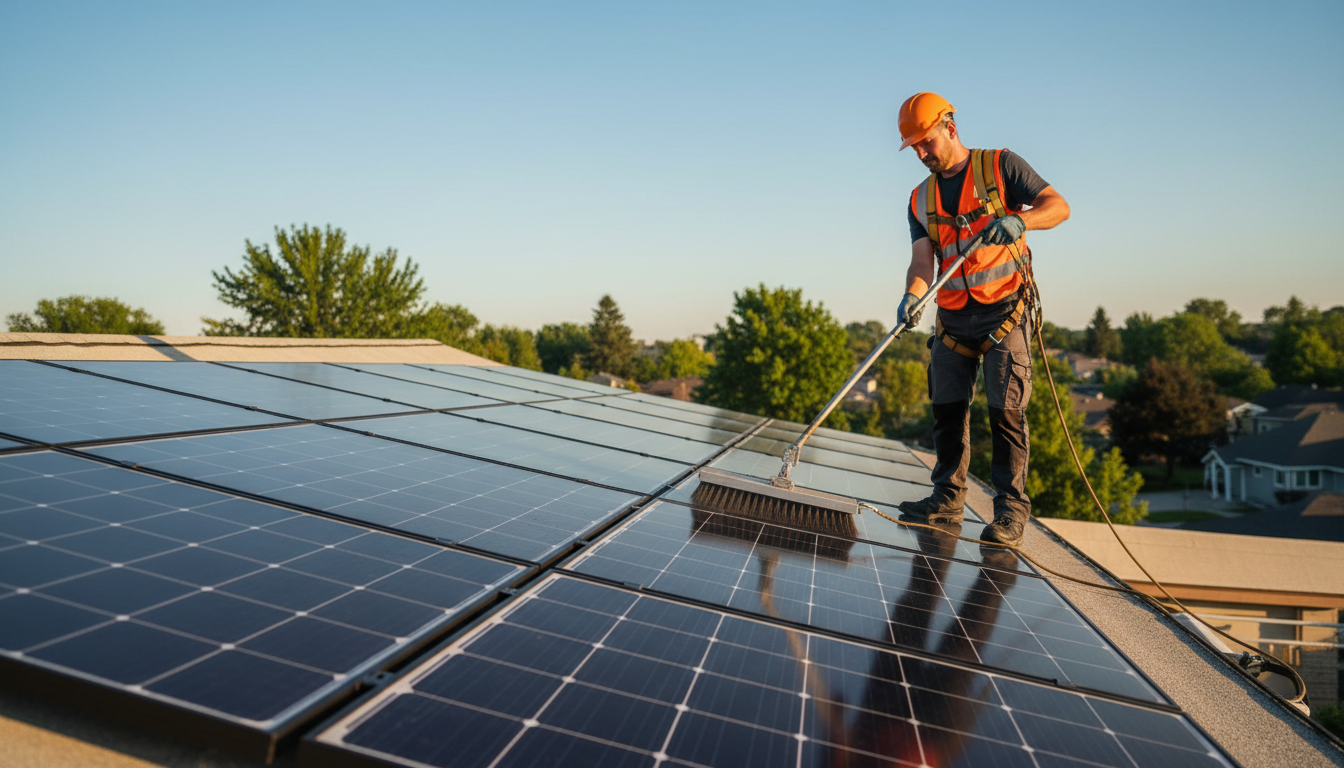
Another myth is that solar panels require frequent maintenance. In fact, solar panels are designed to be low-maintenance. Most systems only need periodic inspections and cleaning to ensure optimal performance. Their durability allows them to withstand various weather conditions, making them a reliable energy source over time.
Myth 4: Solar Panels Will Damage Your Roof
Many are concerned that installing solar panels might damage their roofs. When installed correctly by professionals, solar panels can actually protect the roof by shielding it from the elements. They can extend the roof's lifespan by reducing exposure to rain, snow, and sun.
The Environmental Impact of Solar Energy
Solar energy is often praised for its environmental benefits, yet some myths suggest otherwise. It's essential to understand the true impact solar energy has on the environment to make informed decisions about its adoption.
Myth 5: The Production of Solar Panels Is Harmful to the Environment
While the production of solar panels does have an environmental footprint, it is significantly lower than the impact of fossil fuels. The energy payback time for solar panels, or the time it takes for them to generate the amount of energy used in their production, is continually decreasing, making them an environmentally friendly option.
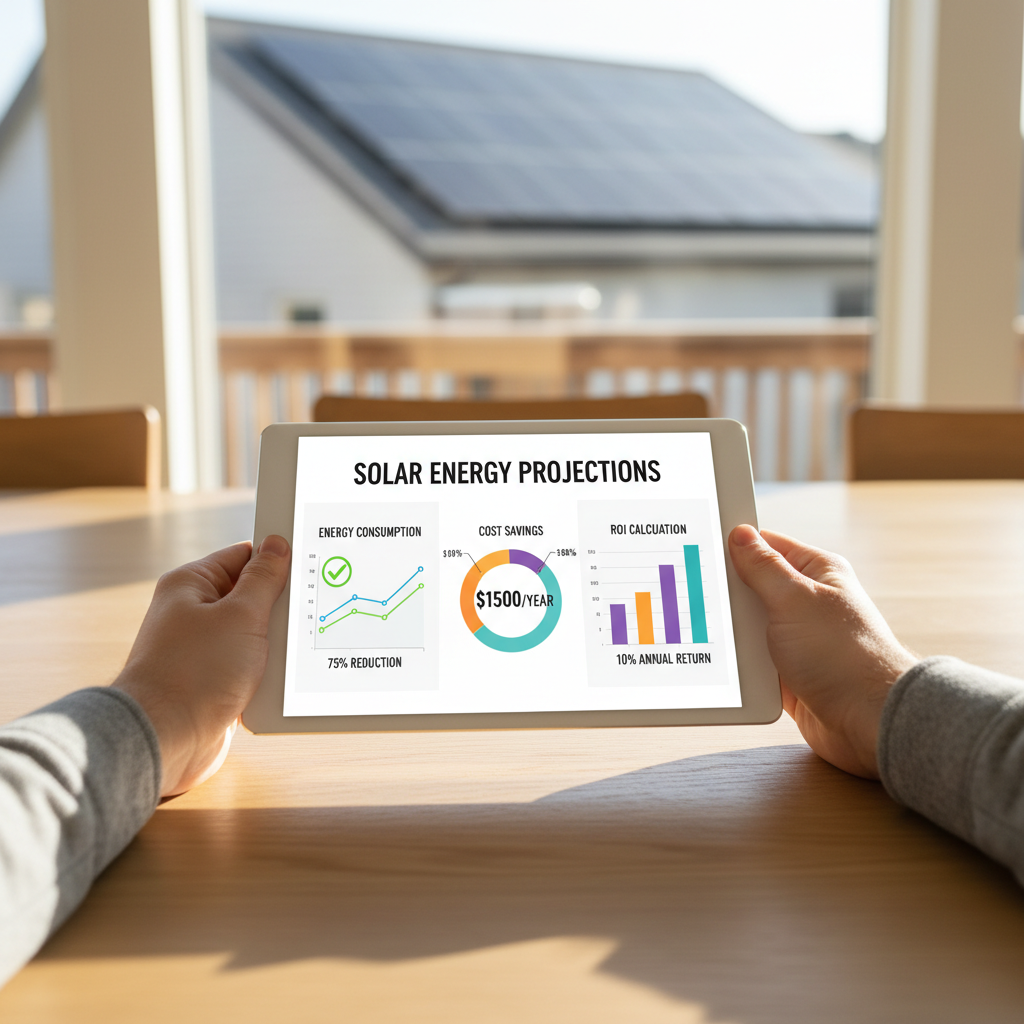
In conclusion, solar energy is a sustainable and increasingly accessible power source that can benefit both individuals and the planet. By understanding and debunking these common myths, you can make more informed decisions about adopting solar energy for your home or business.