
Solar Power vs. Traditional Energy: A Comprehensive Comparison


Introduction to Energy Sources
As the world progresses, the demand for energy continues to rise. The debate between solar power and traditional energy sources such as coal, oil, and natural gas is more relevant than ever. This comprehensive comparison will explore the benefits and drawbacks of each energy type to help you understand their impact on our lives and the environment.
Traditional energy sources have been the backbone of industrialization, providing reliable and powerful energy. However, the environmental concerns associated with them have led to increased interest in renewable energy, particularly solar power.
Environmental Impact
Solar Power
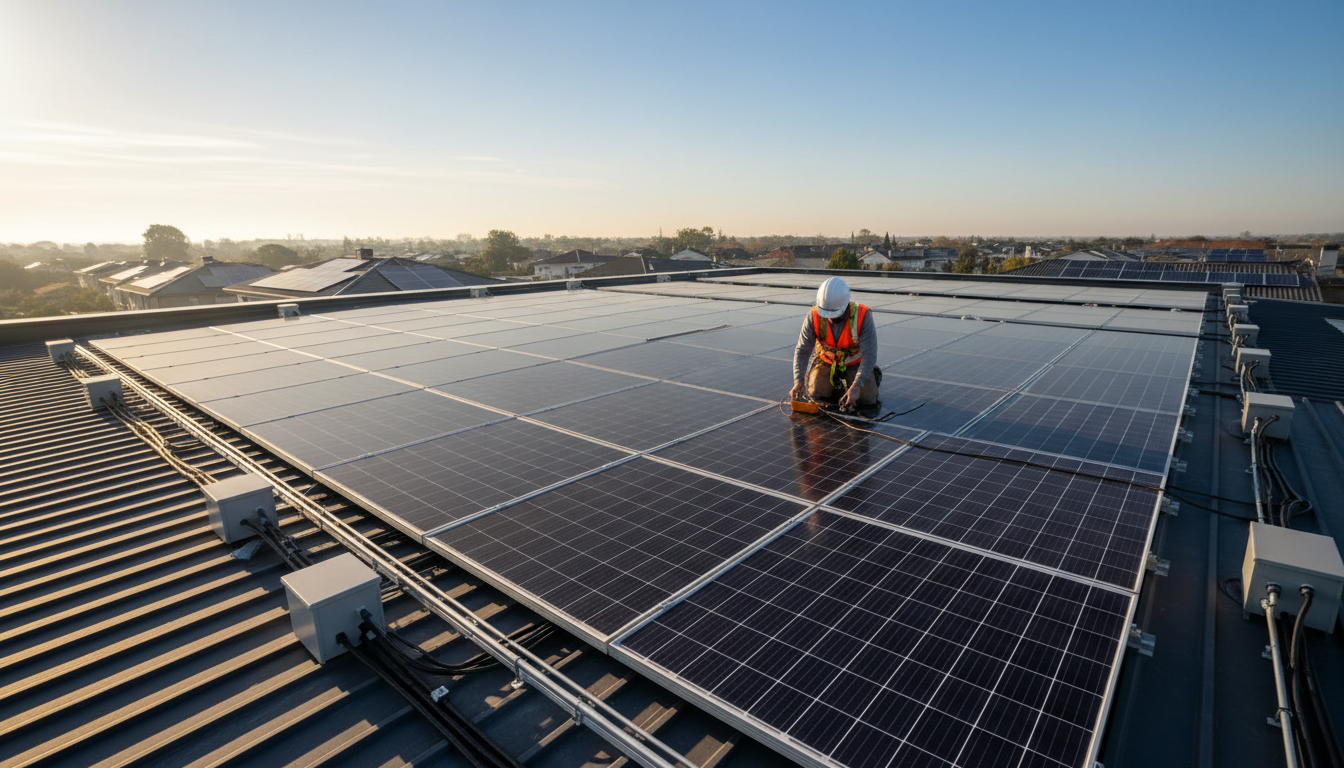
Solar power is a clean and renewable source of energy. It harnesses the sun's energy without emitting greenhouse gases or pollutants. The production and installation of solar panels have a minimal environmental impact, and the energy they produce is entirely sustainable.
Traditional Energy
In contrast, traditional energy sources, particularly fossil fuels, are significant contributors to air and water pollution. Burning coal and oil releases harmful pollutants and greenhouse gases, contributing to climate change and health issues. The extraction process also poses environmental risks, such as oil spills and habitat destruction.

Cost and Efficiency
Solar Power
While the initial investment for solar power systems can be high, the long-term savings are substantial. Solar panels require minimal maintenance and can significantly reduce or even eliminate electricity bills. Technological advancements continue to improve their efficiency and decrease costs.
Traditional Energy
Traditional energy sources often have lower upfront costs, but their price is subject to market fluctuations and geopolitical tensions. Additionally, ongoing operational and maintenance costs can add up over time, making them less economical in the long run.

Energy Reliability
Solar Power
One of the main challenges of solar power is its dependency on sunlight. Energy production can be inconsistent due to weather conditions and the day-night cycle. However, advancements in battery storage technology are addressing these issues, allowing for more reliable and consistent energy supply.
Traditional Energy
Traditional energy sources are known for their reliability and ability to provide continuous power. They are not dependent on weather or time of day, making them a stable energy source. However, their environmental impact and finite supply are significant downsides.
Conclusion
Both solar power and traditional energy have their advantages and challenges. Solar power offers a clean, sustainable alternative that can lead to significant cost savings over time, while traditional energy provides reliable and continuous power but at a higher environmental cost. As technology evolves, the balance may shift, but for now, each energy source plays a crucial role in meeting global energy demands.