
Solar Power vs. Traditional Energy: A Cost Comparison for Australian Homeowners


Understanding the Basics
As energy consumption continues to rise, Australian homeowners are exploring different energy sources to power their homes. The most common choices are solar power and traditional energy sources like coal and natural gas. Each option has its own advantages and drawbacks, but a critical factor for most people is cost.
Initial Investment
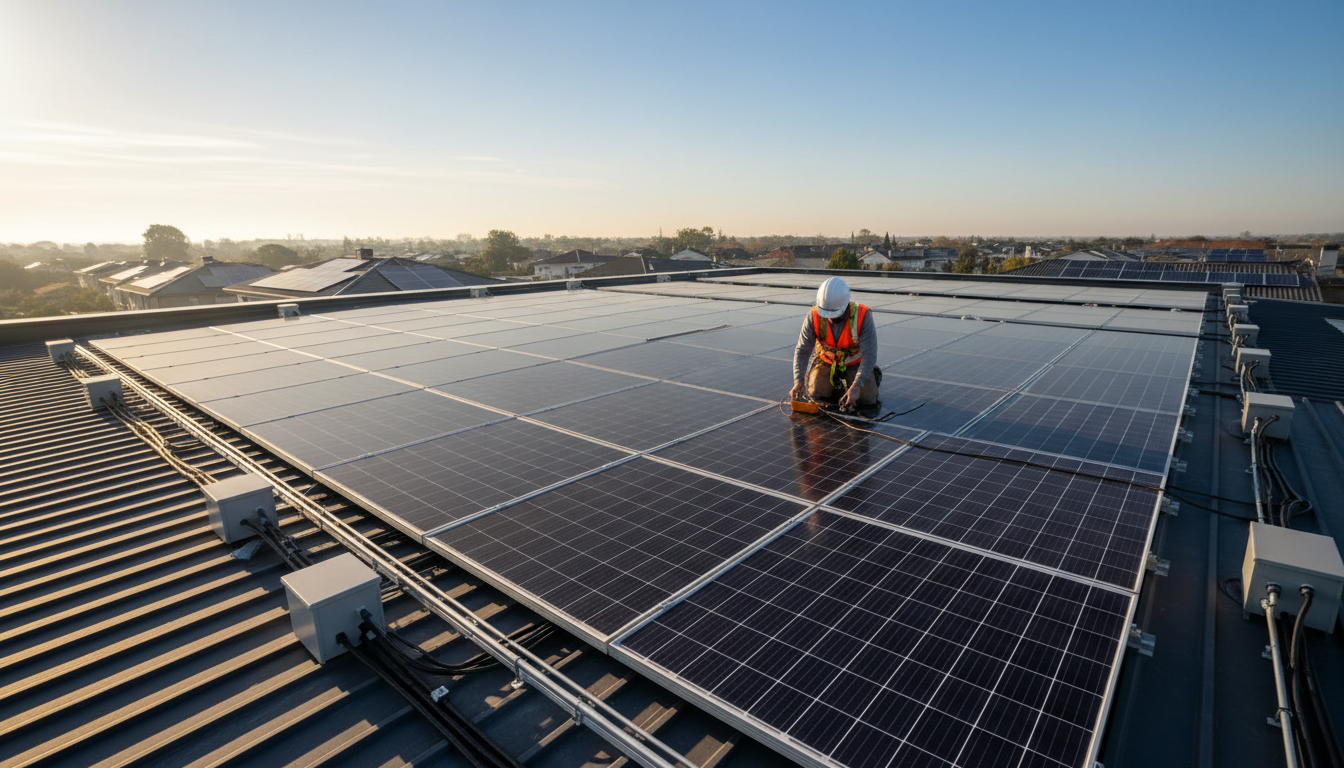
The initial cost of setting up solar power can be significant. Homeowners need to purchase solar panels, inverters, batteries, and pay for installation. However, government incentives and rebates can significantly reduce these costs. In contrast, traditional energy requires no upfront investment from the homeowner, as the infrastructure is already in place. The only initial cost is setting up an account with an energy provider.
Ongoing Expenses
Once installed, solar power systems have minimal ongoing costs. Maintenance is generally low, and sunlight is free. Traditional energy, however, involves regular monthly bills that can fluctuate based on market prices and consumption. Over time, the cumulative cost of traditional energy can surpass the initial investment of solar power, making solar a more cost-effective option in the long run.

Long-term Savings
Solar power offers the potential for significant long-term savings. Homeowners can generate their own electricity, reducing or even eliminating their monthly energy bills. Additionally, any excess energy can often be sold back to the grid, providing a potential income stream. Traditional energy does not offer this benefit, as consumers are entirely dependent on their providers.
Environmental Impact
Beyond cost, environmental impact is a vital consideration. Solar power is a clean, renewable energy source that significantly reduces carbon emissions. Traditional energy sources, especially coal, contribute heavily to pollution and climate change. For environmentally-conscious homeowners, this aspect might outweigh even the cost considerations.

Future Trends
The cost of solar technology is steadily decreasing, while efficiency is improving. This trend suggests that solar power will become even more accessible and affordable. Additionally, advancements in battery storage are making it easier to store solar energy for use at night or during cloudy days. Traditional energy prices, on the other hand, are subject to market volatility and are expected to increase over time.
Making the Decision
Choosing between solar power and traditional energy depends on several factors, including initial budget, long-term financial goals, and environmental values. For those who can afford the upfront costs and are looking for long-term savings and environmental benefits, solar power is an attractive option. For others, sticking with traditional energy might be more practical for the time being.
Conclusion
In summary, while the initial costs of solar power can be daunting, the long-term savings and environmental benefits often make it a more appealing choice for Australian homeowners. Traditional energy remains a viable option, but its costs are likely to increase. Ultimately, the decision should be based on individual circumstances and priorities.