
The Ultimate Guide to Solar Panel Installation in Australia


Understanding Solar Panel Installation
Solar energy has become a popular choice for many Australians looking to reduce their carbon footprint and save on electricity bills. Installing solar panels can seem daunting, but with the right guidance, it becomes a manageable task. This guide will walk you through the crucial steps involved in setting up solar panels in Australia.
Why Choose Solar Panels?
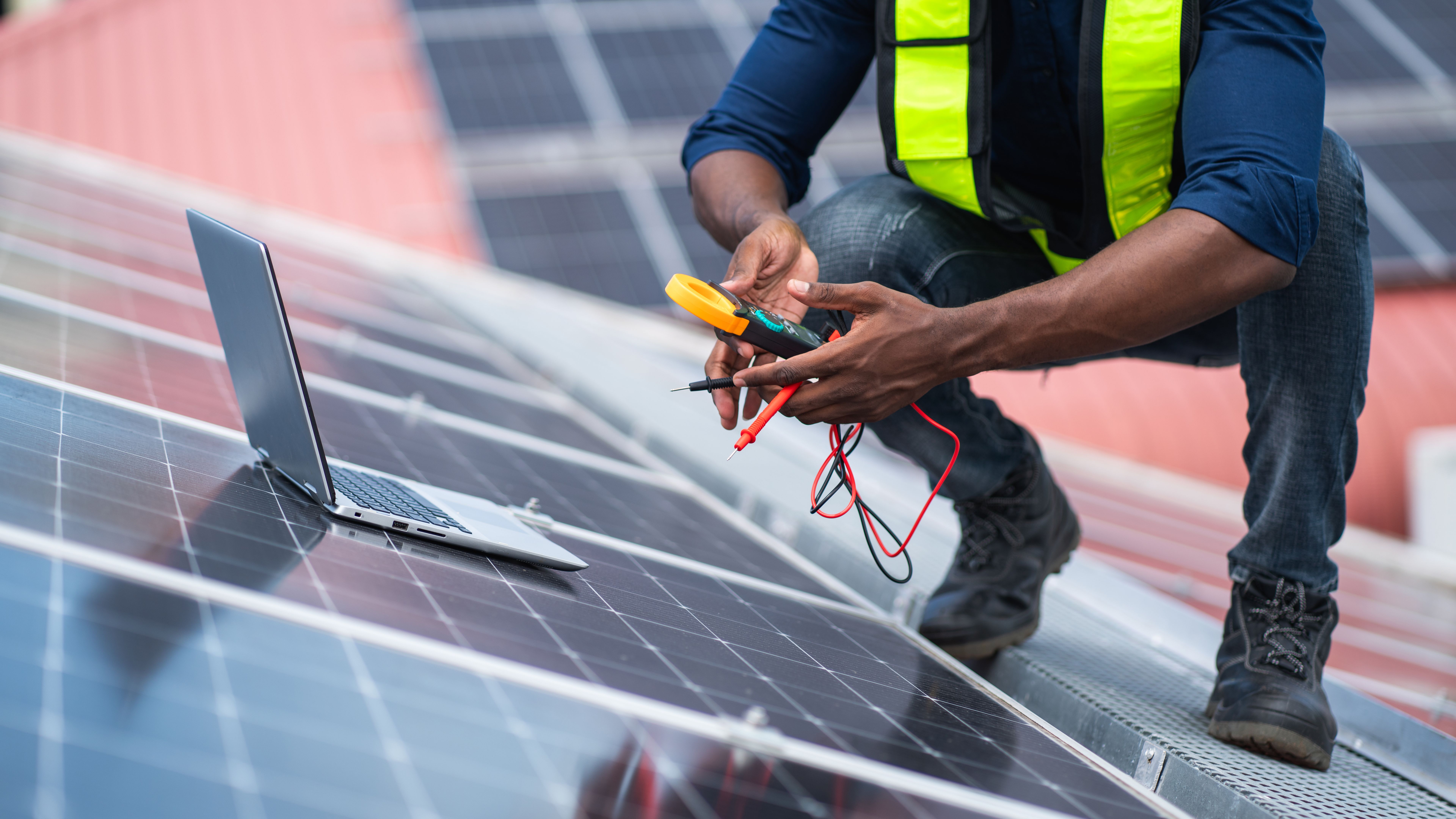
Solar panels offer numerous benefits beyond just cost savings. They help reduce reliance on fossil fuels, decrease greenhouse gas emissions, and can significantly increase the value of your home. With government incentives and rebates, the initial investment in solar panels is more affordable than ever.
Assessing Your Energy Needs
Before installation, it's essential to assess your energy consumption. Understanding your daily energy use will help determine the number of panels required. Consider factors such as household size, the number of electrical appliances, and your typical energy consumption patterns.
Choosing the Right Solar Panels
There are various types of solar panels, including monocrystalline, polycrystalline, and thin-film. Each type has its own advantages and is suited for different environments and budgets. Monocrystalline panels are highly efficient and take up less space, while polycrystalline panels are more cost-effective.
Finding a Reputable Installer
Selecting a certified and reputable installer is crucial for the safety and efficiency of your solar system. Look for companies with positive customer feedback and relevant certifications. An experienced installer will ensure that panels are positioned for maximum sun exposure.

Understanding Installation Costs
The cost of solar panel installation can vary based on factors such as the size of the system, the type of panels used, and your location. It's wise to obtain multiple quotes to compare prices and services. Remember that higher initial costs can lead to greater long-term savings.
Government Incentives and Rebates
The Australian government offers various incentives and rebates to encourage the adoption of solar energy. These include the Small-scale Renewable Energy Scheme (SRES) and feed-in tariffs. Understanding these incentives can help reduce the overall cost of installation.

Maintenance and Longevity
Solar panels require minimal maintenance, but regular checks are recommended to ensure they operate efficiently. Cleaning the panels and checking for any obstructions can prolong their lifespan. Most solar panel systems come with warranties ranging from 10 to 25 years.
Conclusion
Installing solar panels in Australia is a smart investment for both the environment and your wallet. By understanding the installation process, choosing the right panels, and taking advantage of government incentives, you can enjoy the benefits of solar energy for years to come.