
Top 5 Misconceptions About Solar Energy Debunked


As solar energy continues to gain popularity, several misconceptions persist about its effectiveness and viability. In this post, we aim to debunk some of the most common myths surrounding solar energy. Understanding the truth behind these misconceptions can help you make informed decisions about adopting solar technology.
Misconception 1: Solar Panels Don’t Work in Cloudy or Cold Climates
One of the most widespread myths is that solar panels are ineffective in areas that are not sunny year-round. In reality, solar panels can still generate electricity on cloudy days and in colder climates. While they may produce less energy compared to bright, sunny days, they are still a viable energy source.
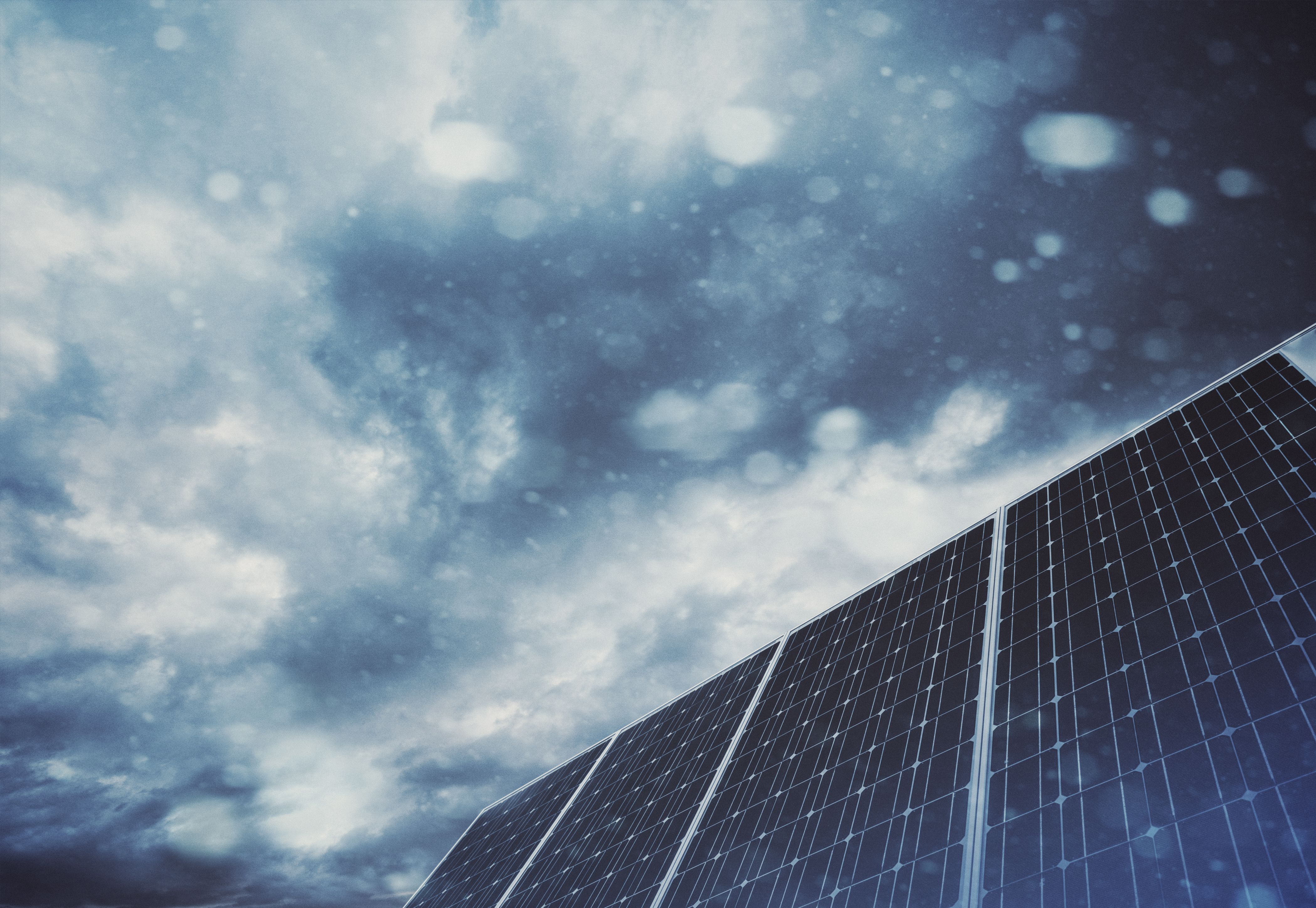
Countries like Germany, which is known for its overcast weather, are leading in solar energy adoption. The efficiency of solar panels has improved significantly, allowing them to capture diffuse sunlight and convert it into energy even in less-than-ideal weather conditions.
Misconception 2: Solar Energy Is Too Expensive
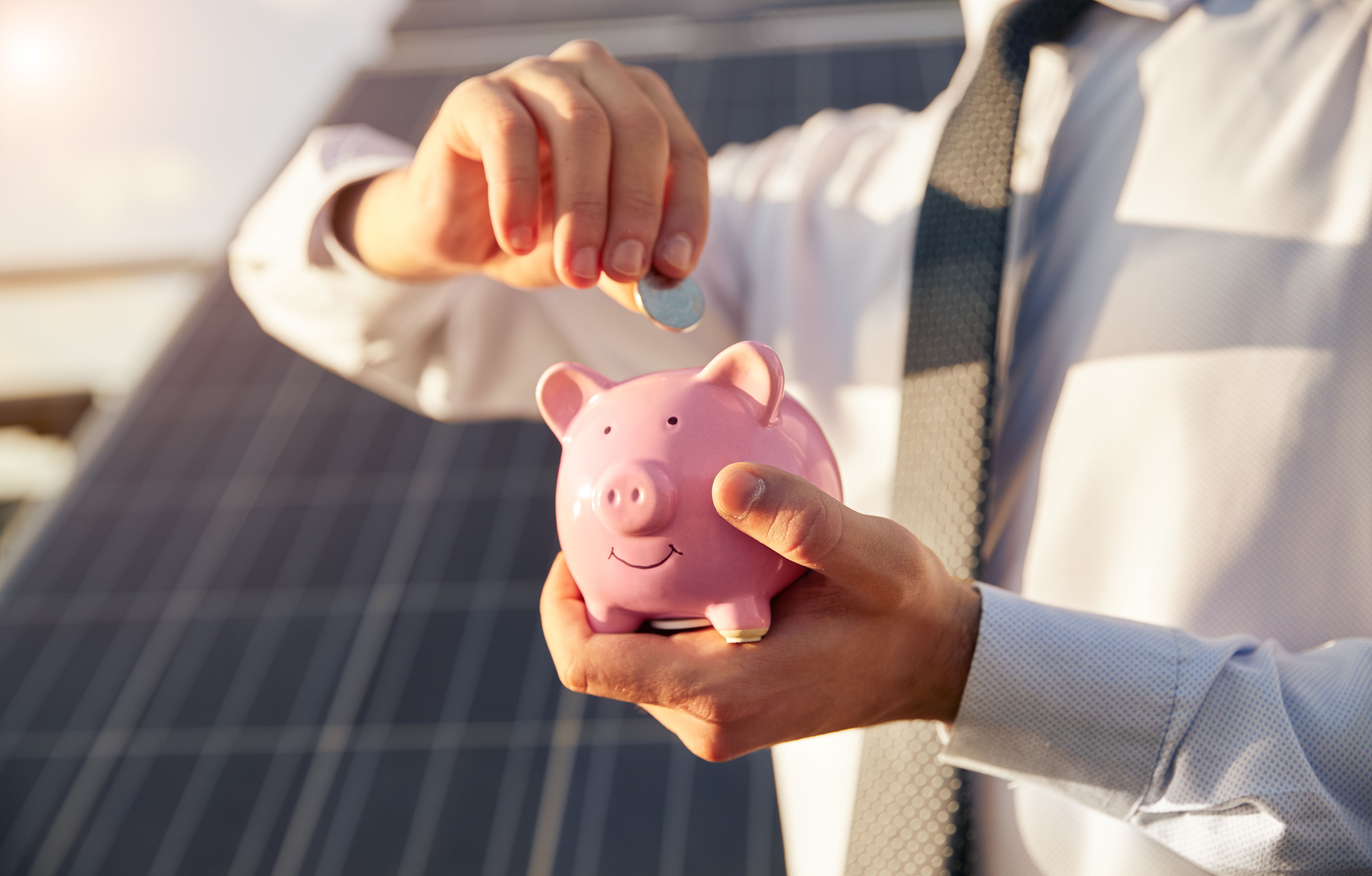
Another common belief is that solar energy is prohibitively expensive. While it is true that the initial investment can be significant, the cost of solar panels has decreased dramatically over the past decade. Additionally, various government incentives, tax credits, and financing options can make solar energy more affordable.
Moreover, once installed, solar panels can significantly reduce or even eliminate your electricity bills. Over time, the savings on energy costs can outweigh the initial investment, making solar energy a cost-effective solution in the long run.
Misconception 3: Solar Panels Require Constant Maintenance
Many people believe that solar panels require a lot of maintenance, but this is not the case. Solar panels are designed to be durable and require minimal upkeep. Regular cleaning and an occasional inspection are generally sufficient to keep them functioning efficiently.
Most solar panels come with warranties that last 20 to 25 years. These warranties often cover any maintenance issues, providing peace of mind to homeowners and businesses who choose to invest in solar technology.
Misconception 4: Solar Energy Is Not Reliable
Some skeptics argue that solar energy is unreliable due to its dependence on weather conditions. However, advances in energy storage technology, such as battery systems, have made it possible to store solar energy for use during periods when sunlight is not available.
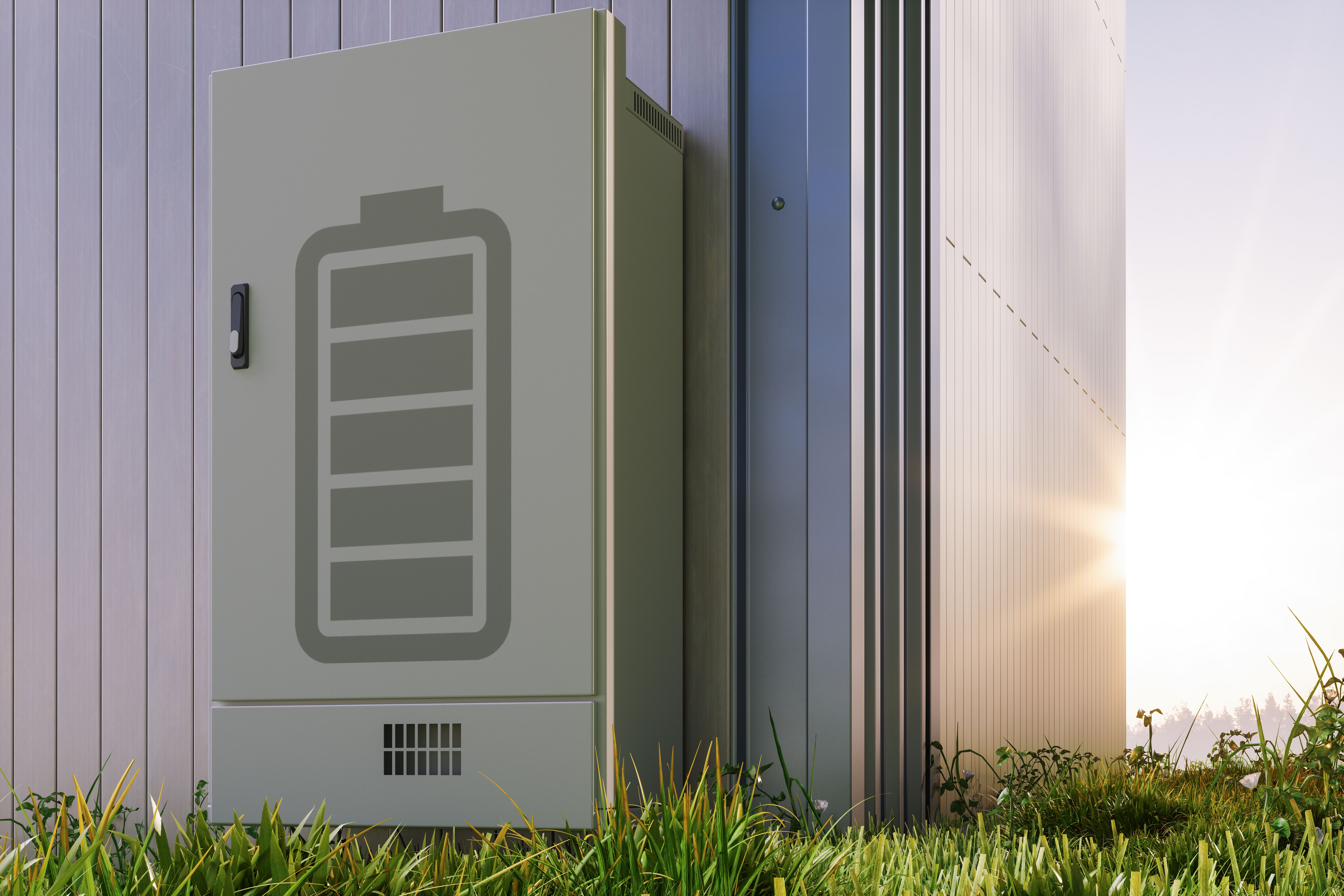
This means that solar energy can provide a consistent and reliable power supply, making it a viable alternative to traditional energy sources. Battery storage systems ensure that solar power can be used at night or during cloudy days, enhancing its reliability.
Misconception 5: Solar Panels Are Harmful to the Environment
There is a misconception that the production and disposal of solar panels are harmful to the environment. While manufacturing solar panels does have an environmental impact, it is relatively small compared to the environmental benefits they provide over their lifetime.
Solar panels generate clean energy, reducing reliance on fossil fuels and lowering greenhouse gas emissions. As technology advances, the production process is becoming more sustainable, further minimizing the environmental footprint of solar energy.
In conclusion, understanding these misconceptions and the realities of solar energy can help individuals and businesses make informed decisions. As technology continues to advance, solar energy remains a promising and sustainable energy solution for the future.