
Understanding Local Regulations for Solar Installation in Australia


Introduction to Solar Installation Regulations in Australia
As solar energy continues to grow in popularity across Australia, understanding the local regulations for solar installation is crucial for homeowners and businesses alike. Each state and territory have specific guidelines that must be followed to ensure compliance and safety.
National Standards and Guidelines
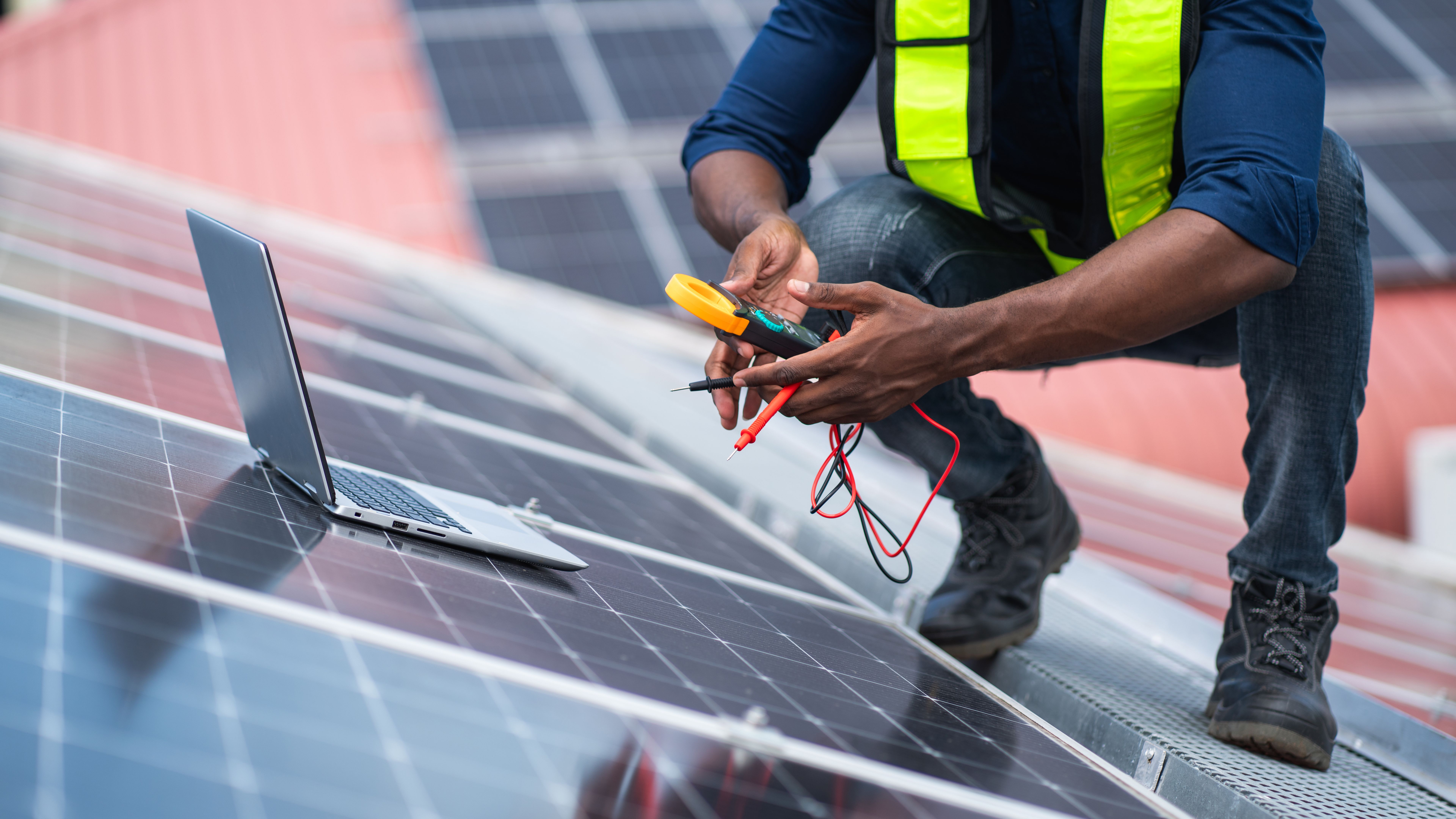
Australia has national standards governing the installation of solar systems, primarily outlined by the Clean Energy Council (CEC). The CEC is responsible for accrediting solar installers and retailers, ensuring they meet stringent quality and safety standards. It's vital to hire CEC-accredited professionals for installation.
State-Specific Regulations
While national standards provide a foundation, each state and territory can impose additional regulations. These can include specific building codes, zoning laws, and even aesthetic considerations in certain areas.
For example, in New South Wales, solar installations must comply with the State Environmental Planning Policy (SEPP) for infrastructure. Meanwhile, Victoria requires adherence to the Building Act and specific bushfire safety measures.
Permits and Approvals
Before installing solar panels, it’s essential to determine whether you need permits or approvals from local councils. Generally, systems under a certain size, such as those for residential use, may not require permits. However, larger commercial installations often do.
Consulting with local authorities or a professional installer can help clarify the specific requirements in your area.
Connection to the Grid
Connecting your solar system to the grid involves additional regulations. You must apply to your local electricity distributor for grid connection approval. This process ensures that your system is compatible with the existing electrical infrastructure and meets all safety requirements.

Incentives and Rebates
Understanding the local regulations also involves knowing about available incentives and rebates. The Australian government offers programs like the Small-scale Renewable Energy Scheme (SRES), which can significantly reduce installation costs.
State-specific incentives may also be available, making it worthwhile to research what's offered in your region.
Maintenance and Compliance
After installation, maintaining compliance with local regulations is important. This includes regular inspections and maintenance to ensure the system remains safe and efficient. Accredited installers often provide guidelines and services to help with ongoing compliance.
Conclusion
Navigating local regulations for solar installation in Australia can be complex, but it is a vital part of adopting solar energy. By understanding and adhering to these regulations, you can ensure a smooth installation process and enjoy the benefits of clean, renewable energy.
Consulting with local experts and accredited professionals can provide invaluable guidance and support throughout the process.